Hungarian Prime Minister Viktor Orban has conceded defeat in what he described as a painful election result, marking a significant political shift in a country he has governed for over a decade. In Israel, Prime Minister Benjamin Netanyahu is facing strong opposition as he heads into a campaign for reelection expected in the fall, according to a report by CBS News correspondent Elizabeth Palmer.
Orban's defeat in Hungary
Orban, one of Europe's most prominent nationalist leaders, acknowledged the loss publicly, calling the outcome painful. His defeat ends a prolonged period of dominance by his Fidesz party, which had drawn both domestic support and international criticism over its approach to democratic institutions, immigration policy, and its relationship with the European Union.
Orban had been a defining figure in Hungarian politics and a closely watched symbol of the broader nationalist movement that gained traction across parts of Europe and beyond over the past decade. His loss signals a potential realignment of the Hungarian political landscape, though the full implications of the transition remain to be seen.
Netanyahu under pressure in Israel
In Israel, Prime Minister Benjamin Netanyahu is confronting significant political headwinds as the country prepares for an election expected in the fall. According to the CBS News report, Netanyahu is facing strong opposition that could threaten his hold on power.
Netanyahu has served multiple terms as Israel's prime minister and remains one of the country's most recognizable political figures internationally. However, he has faced prolonged legal challenges, including an ongoing corruption trial, alongside domestic debates over judicial reform and the conduct of military operations in Gaza - all of which have contributed to a charged political environment heading into the campaign period.
The opposition has sought to consolidate support around the argument that Netanyahu's continued leadership is untenable given the range of challenges facing the country. Netanyahu and his allies, meanwhile, have argued that his experience and leadership remain essential, particularly amid ongoing regional security concerns.
Two leaders, two moments
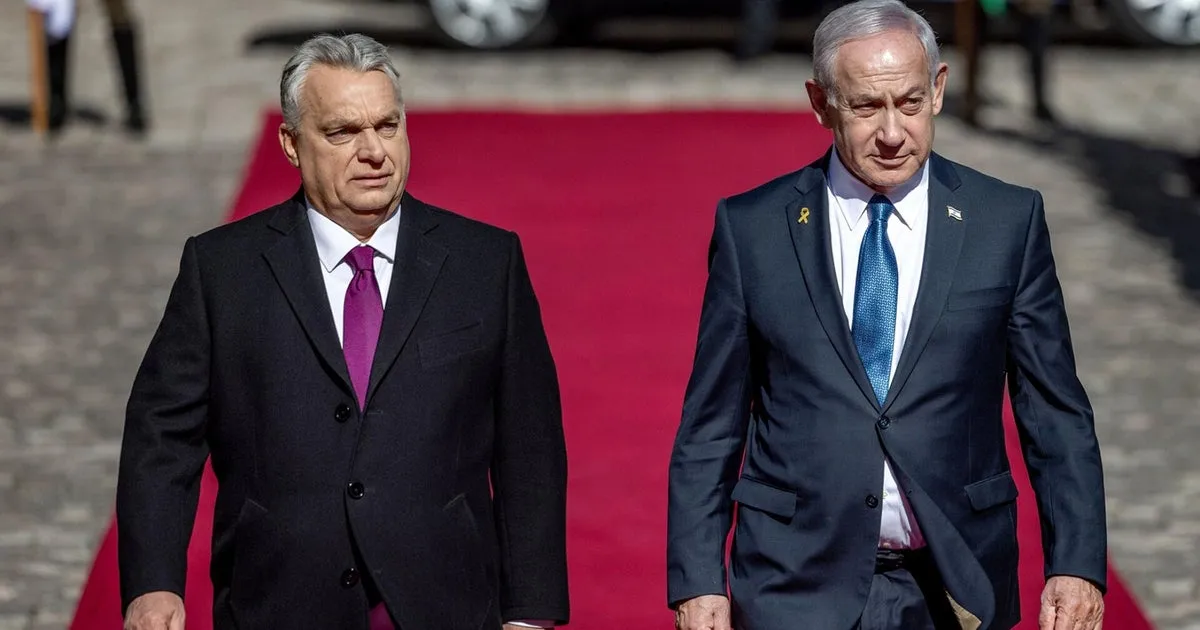
The near-simultaneous political pressures on Orban and Netanyahu offer a snapshot of broader shifts in countries where long-serving leaders built durable but increasingly contested political coalitions. Both figures have maintained close relationships with each other and with allied nationalist movements globally, making developments in their respective countries of interest to observers well beyond their borders.
As Hungary prepares for a transfer of power and Israel heads toward a consequential election, both situations will continue to draw attention from European institutions, regional partners, and international governments monitoring democratic governance trends.