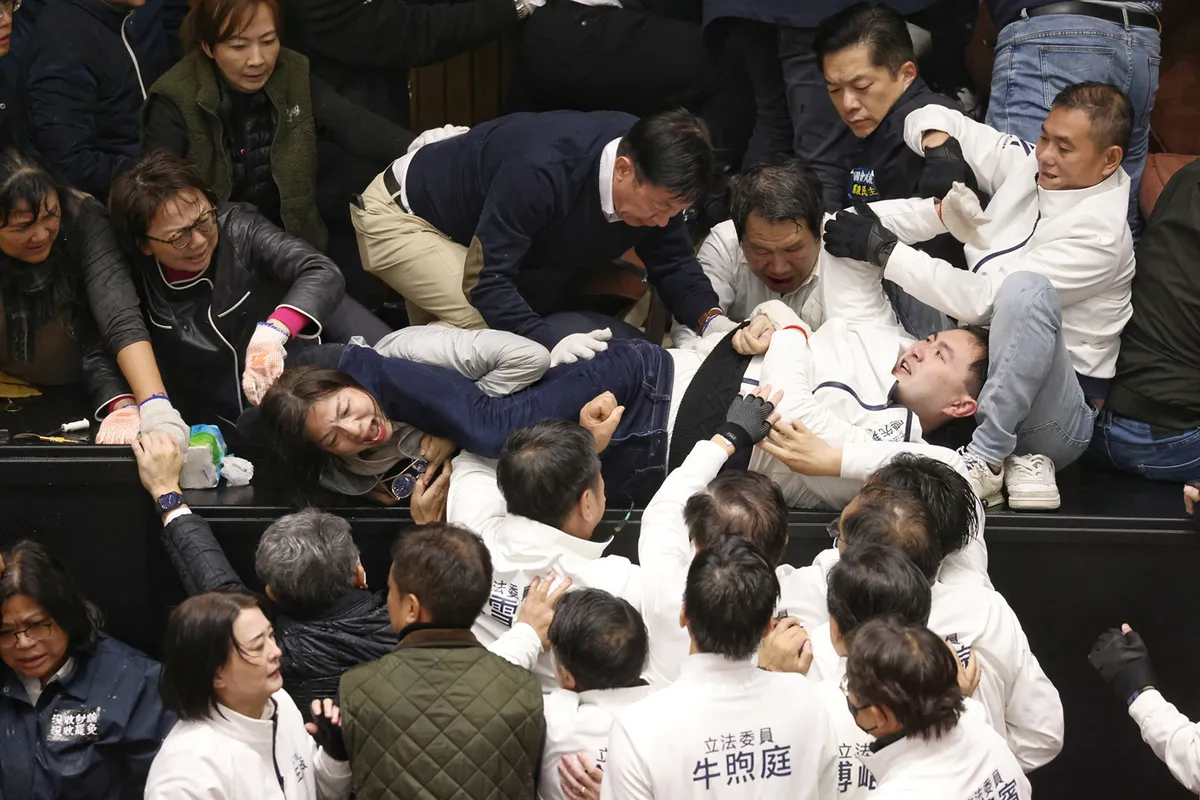
Taiwan is facing a deepening political crisis that analysts warn is undermining the island's security at a time of heightened tensions with China, according to a Foreign Policy report published Thursday.
Government paralysis has stalled key budget approvals, leaving critical spending - including defense allocations - in limbo. The deadlock has raised concerns among security experts that Taiwan's ability to respond to external threats may be compromised by internal dysfunction.
Legislative gridlock at the center of the crisis
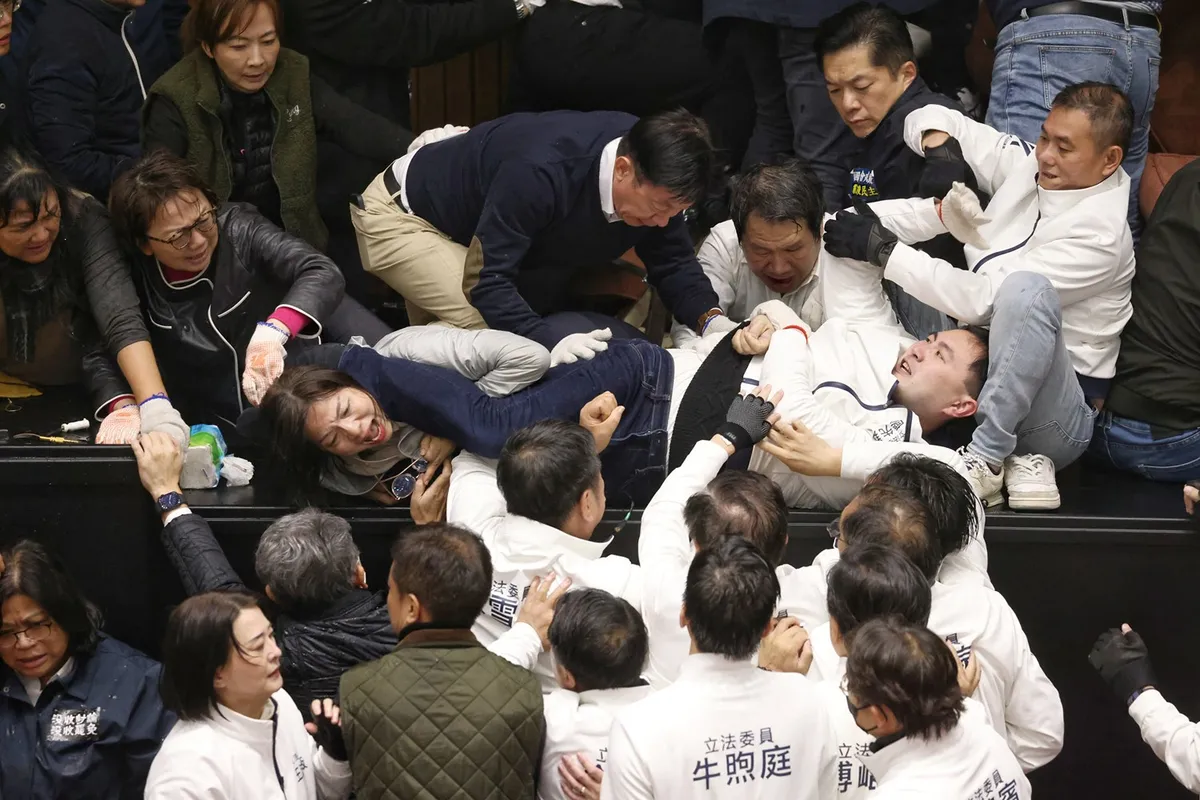
The crisis stems from protracted disputes between Taiwan's executive and legislative branches, which have struggled to reach consensus on core fiscal and constitutional matters. The resulting gridlock has prevented the government from advancing legislation and funding measures considered essential to the island's long-term resilience.
Foreign Policy describes the situation as a "security nightmare," noting that the freeze on budgets is not only affecting defense procurement but also broader governance capacity. Public services and institutional planning have been disrupted as a result.
Public trust declining
Beyond the immediate fiscal consequences, the political standoff is reportedly eroding public confidence in Taiwan's democratic institutions. Trust in the government's ability to manage both day-to-day affairs and longer-term strategic challenges has declined, according to the report.
This erosion of public trust carries its own security implications. Analysts cited in the Foreign Policy piece suggest that domestic divisions and disillusionment could weaken social cohesion - a factor considered vital in any potential conflict scenario involving China.
Broader strategic context
The crisis unfolds against a backdrop of persistent pressure from Beijing, which regards Taiwan as part of its territory and has not ruled out the use of force to achieve unification. Taiwan's government has in recent years sought to expand defense spending and strengthen ties with the United States and other allies.
A prolonged internal political crisis could complicate those efforts. Delayed budgets mean delayed procurement, training, and infrastructure investment - all areas that security planners say require consistent, long-term commitment.
The situation also comes as Taiwan navigates a complex international environment, with ongoing questions about the reliability of external security guarantees and shifting dynamics in U.S.-China relations.
Foreign Policy's analysis suggests that without a resolution to the political impasse, Taiwan risks compounding its strategic vulnerabilities at a moment when stability and decisive governance are considered especially critical.