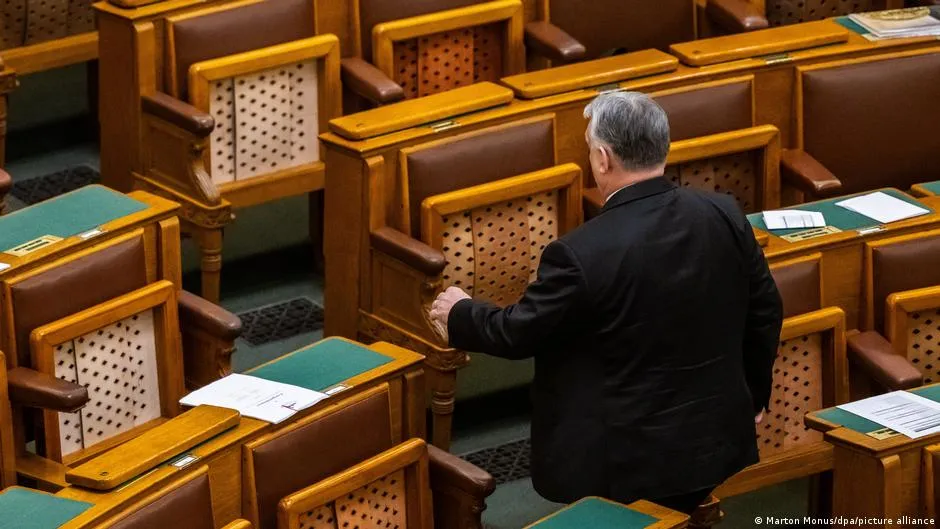
Viktor Orban and his Fidesz party are confronting an uncertain political future following their defeat in Hungary's recent elections, according to reporting by Deutsche Welle. The loss marks a significant turning point for a political movement that has dominated Hungarian governance for more than a decade and a half.
Orban, who served as prime minister and built a governing system critics described as increasingly authoritarian, is now navigating life as an outgoing leader - a position he has not occupied since 2010. The scale of the shift has left both supporters and opponents speculating about what comes next for him personally and for the political infrastructure he constructed.
What Fidesz built - and what may remain
During his years in power, Orban reshaped Hungary's constitutional framework, media landscape, and judiciary in ways that critics argued entrenched Fidesz's advantage. Supporters framed the same changes as necessary to protect national sovereignty and traditional values. The durability of those institutional changes is now a central question, regardless of who holds office.
Analysts are divided on how quickly or thoroughly an incoming government could unwind the structures put in place under Fidesz rule. Some argue the changes were designed to outlast any single electoral cycle, while others contend that a determined governing majority could reverse many of them over time.
Orban's political next steps
Speculation about Orban's own future spans several possibilities. He could remain as opposition leader within Hungary, using the Fidesz party apparatus to challenge the new government. Alternatively, he may seek a larger platform within European or international right-wing political networks, where he has cultivated ties with nationalist and conservative movements across the continent.
Orban has previously positioned himself as a figurehead for illiberal conservatism in Europe, maintaining relationships with leaders and movements from Italy to the United States. Those connections could provide a continued stage even outside of formal executive power.
A divided country
Hungary remains deeply polarized. Fidesz retains a substantial base of supporters who backed the party's nationalist and socially conservative agenda. Any new government will face the challenge of governing a country in which Orban's movement still commands significant loyalty.
Deutsche Welle reports that the coming months will be critical in determining whether Hungary's political transition represents a lasting realignment or a temporary interruption in Fidesz's grip on power.