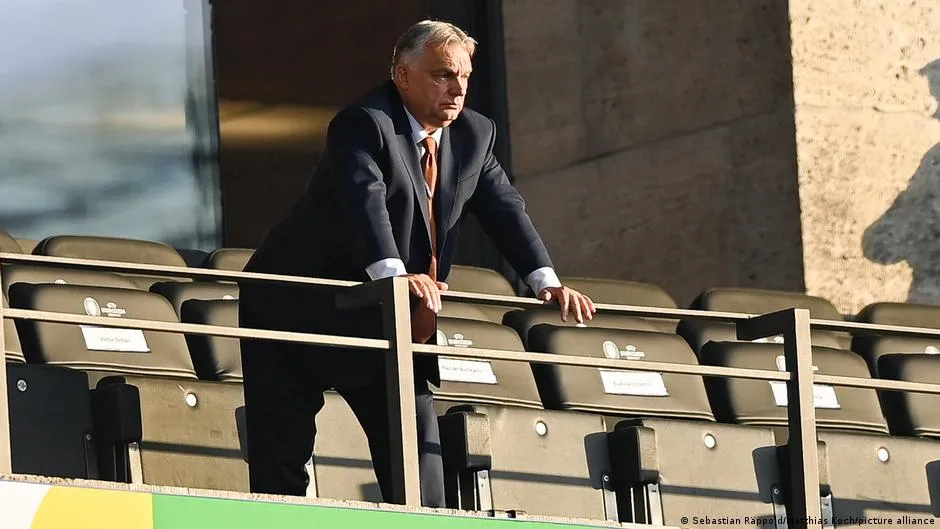
Viktor Orban has never been shy about his love of football. The Hungarian prime minister is famously obsessed with the sport, reportedly training regularly and even having a stadium built in his tiny hometown of Felcsut - population roughly 1,800 people - that can seat 3,500 fans. Subtle, it is not.
But according to reporting by Deutsche Welle, the man's passion goes well beyond fandom. For Orban, football has been a deliberate and remarkably effective political instrument, wielded domestically and internationally to consolidate influence, reward allies, and project soft power way above Hungary's geopolitical weight class.
The stadium strategy
Over the past decade and a half, Hungary funneled enormous sums of public money into football infrastructure under Orban's government. Clubs with ties to Orban loyalists received generous state support through a corporate tax incentive scheme, effectively letting businesses redirect taxes toward football clubs of their choosing. Critics called it a backdoor subsidy system for the ruling elite. Supporters called it nation-building. Nobody disagreed that it worked politically.
The soft power play extended beyond Hungary's borders too. By courting UEFA, hosting major international matches, and positioning Budapest as a reliable and welcoming venue when other countries stumbled over logistics or politics, Orban turned Hungary into a football destination - and himself into a man UEFA had reasons to keep happy.
Now the clock is ticking
Here is where it gets spicy. With Hungarian opposition polling strongly ahead of upcoming elections, Orban faces a genuine threat to his grip on power - which would be remarkable enough on its own after 15 years in charge. But DW notes there is a particularly stinging bonus consequence on the line: Hungary's shot at hosting the UEFA Champions League final could evaporate along with his government.
Losing the election means losing the political infrastructure that made Hungary an attractive partner for European football's governing bodies. A new government would inherit the relationship, the venues, and the bids - but Orban himself would lose the prestige and the leverage that came bundled with all of it.
The beautiful game as a blunt instrument
What makes this story genuinely fascinating is how brazenly transactional the whole arrangement has been. Orban never really hid that football and politics were the same project for him. Stadiums in small towns, taxpayer cash flowing to clubs, VIP box diplomacy with European football executives - it was all out in the open, and voters kept returning him to power anyway.
Whether they do so again remains to be seen. But if Orban does fall, he will take with him one of the more unusual political legacies in recent European history: a strongman who built his empire one stadium at a time.
Source: Deutsche Welle