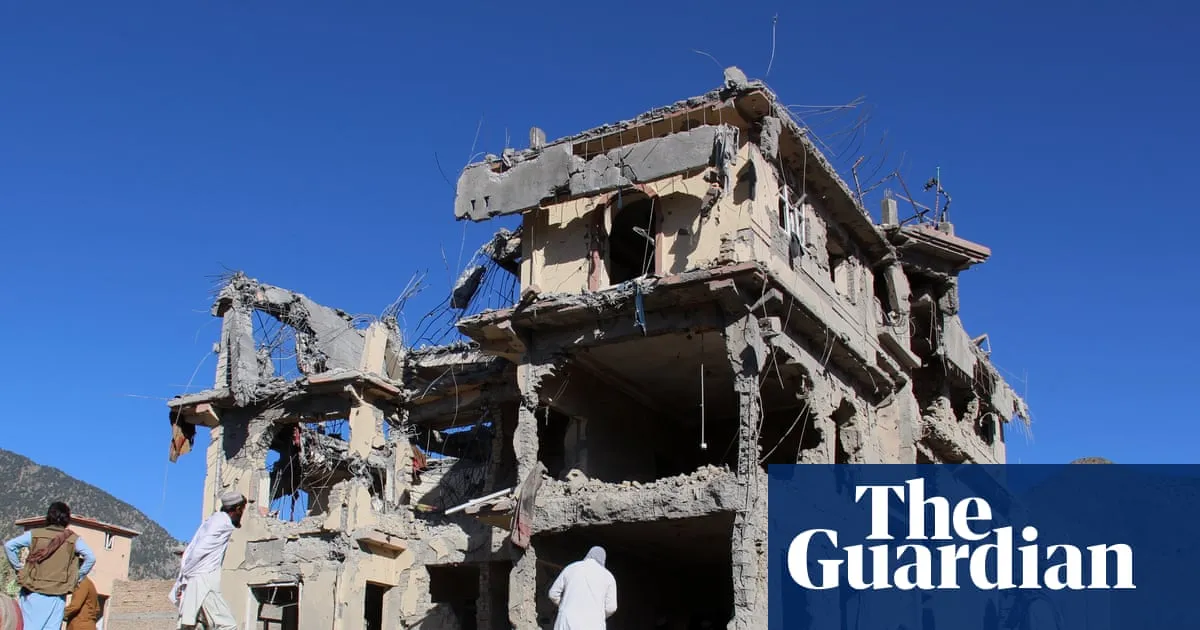
Pakistan launched deadly airstrikes into eastern Afghanistan on Monday, killing at least 25 people, according to Pakistani officials - though Kabul is telling a very different, and considerably grimmer, story about who exactly those victims were.
According to reporting by The Guardian, Pakistan's information minister Attaullah Tarar confirmed the strikes were targeted operations against militant groups Pakistan holds responsible for a deadly attack in Karachi over the weekend. In Islamabad's telling, this is a clean counter-terrorism operation. End of story.
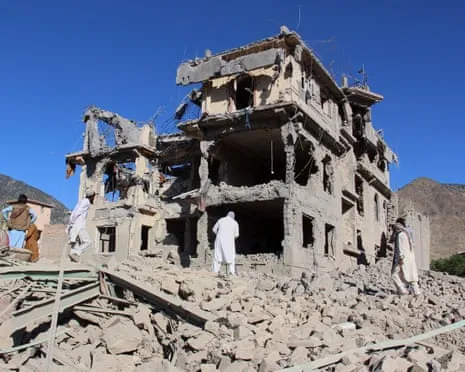
Kabul, however, is not exactly endorsing that version of events. Afghan authorities have reported dozens of civilian casualties from the same strikes - a figure that, if accurate, would make this look considerably less like a precision counter-terrorism operation and considerably more like a catastrophe.
Here we go again
The Monday strikes are not some isolated incident. They are the latest flare-up in a cross-border relationship that already produced a weeks-long war between the two countries back in February. A war. Between neighbors. In 2026. In case anyone needed a reminder that the Pakistan-Afghanistan relationship is, to put it diplomatically, complicated.
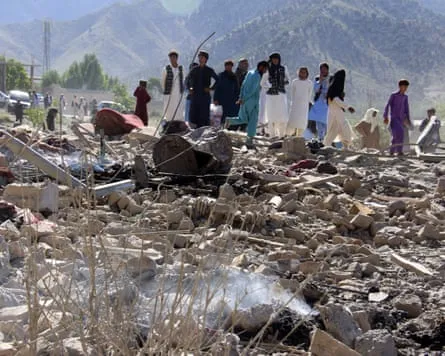
The cycle here is numbingly familiar to anyone who has followed the region: a militant attack occurs on Pakistani soil, Pakistan points the finger at groups sheltering across the Afghan border, Kabul denies harboring them, bombs fall, civilian deaths are reported, and both sides argue about the numbers. Repeat.
What we know vs. what we're being told
To be clear about what's confirmed versus contested: Pakistan's own government has confirmed the strikes took place and stated the death toll at 25. The targeting of militants is Pakistan's stated justification - a claim, not an independently verified fact. The Afghan government's report of civilian casualties is also a claim, and the actual breakdown of who was killed has not been independently verified at the time of writing.
What is not in dispute is that bombs fell on Afghan territory, people died, and two nuclear-armed neighbors with a fresh war on their recent résumé are once again exchanging accusations instead of diplomatic pleasantries.
The international community, for its part, has so far responded with the kind of urgent concern that typically precedes absolutely nothing changing. Watch this space - though given the February war and this latest escalation, that space is getting uncomfortably crowded.