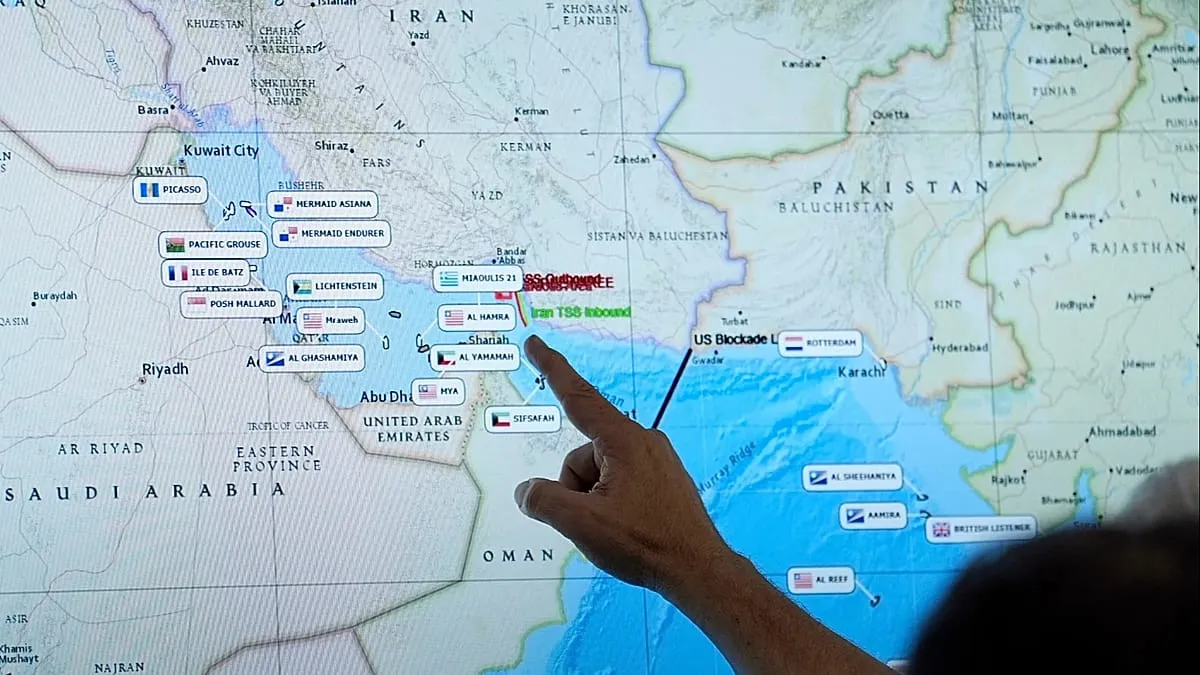
If you've recently had a minor cardiac episode at the petrol pump, you now have a geographical villain to blame: the Strait of Hormuz, a narrow stretch of water between Iran and Oman that handles roughly one-fifth of the entire world's oil and liquefied natural gas supply. Iran effectively slammed the door on this critical waterway when war broke out on February 28, and energy markets have been having a meltdown ever since.
Now, according to Euronews, Washington is shopping around for allies willing to join a so-called "maritime freedom" coalition - essentially a nautical neighbourhood watch programme with significantly more firepower - aimed at getting tankers moving through the strait again.
Why should you care about a body of water you've never visited?
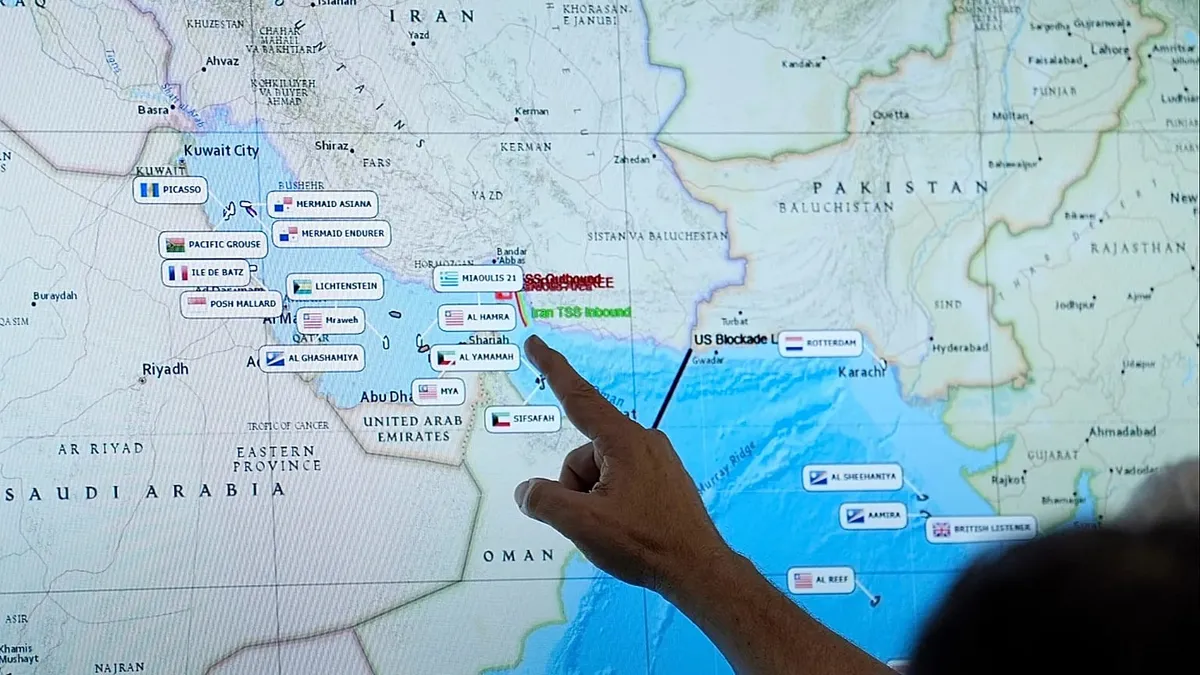
The Strait of Hormuz is, to put it in appropriately nerdy terms, the final boss of global energy chokepoints. At its narrowest, it's only about 33 kilometres wide, yet it serves as the exit ramp for oil exports from Saudi Arabia, the UAE, Kuwait, Iraq, and Iran itself. When it closes, it doesn't just inconvenience shipping companies - it sends energy prices skyrocketing across the entire planet, hitting everything from airline tickets to the humble plastic bag.
Iran's closure of the strait since the conflict began in late February has already demonstrated just how catastrophically dependent the global economy remains on this slim corridor of saltwater.

Coalition of the willing... to brave the Persian Gulf
The US push for a multilateral coalition is a familiar playbook. Washington ran a similar operation - Operation Earnest Will - back in the 1980s during the Iran-Iraq War, reflagging Kuwaiti tankers and escorting them through hostile waters. Whether it can assemble an equally motivated group of allies in the current geopolitical climate remains a genuinely open question.
The proposal also raises some awkward follow-up questions that diplomats are presumably addressing over very tense coffee meetings: What exactly are the rules of engagement? Who commands the operation? And crucially - what happens if Iranian forces decide to test the coalition's resolve?
The bottom line
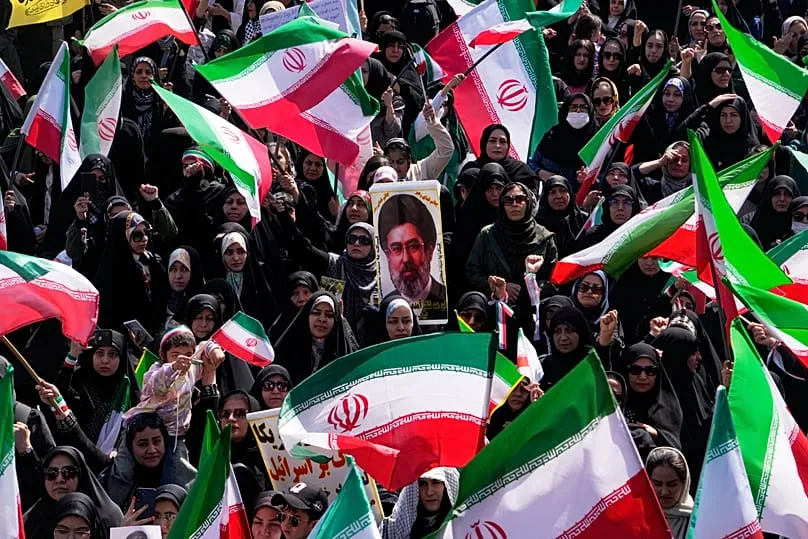
One-fifth of the world's oil and gas moving through a single narrow waterway was always a terrifying structural vulnerability in the global energy system. Experts have warned about it for decades. Apparently it took an actual closure to get the international community sufficiently motivated to do something about it - which, if nothing else, is very on-brand for geopolitics.
The coalition-building effort is ongoing, per Euronews. Energy prices, meanwhile, are not waiting for the diplomatic process to conclude.