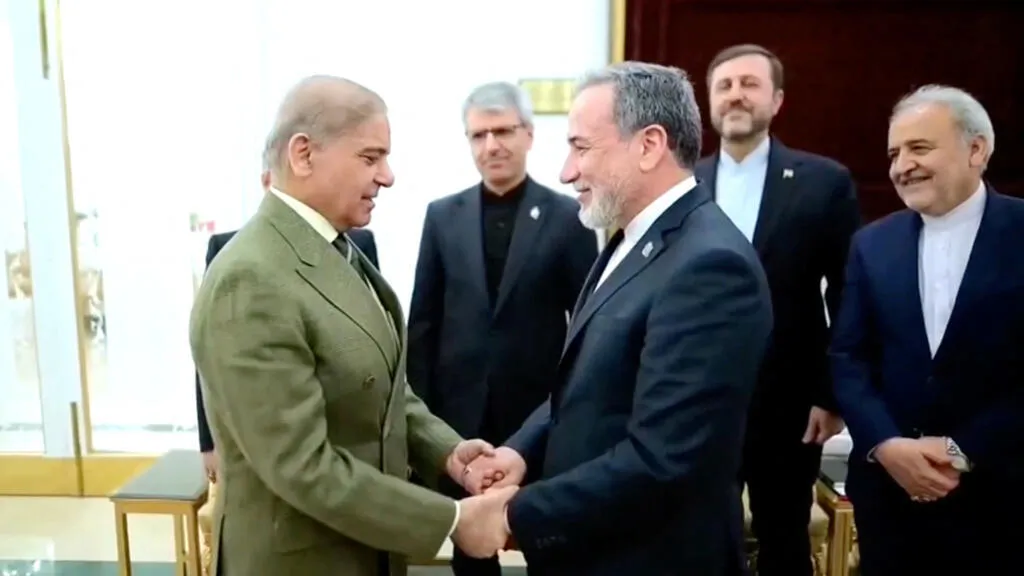
Pakistan's Prime Minister Shehbaz Sharif has officially volunteered Islamabad as the next venue for Iran-US peace talks, according to France24, positioning his country squarely at the center of one of the most consequential diplomatic standoffs on the planet. No pressure, guys.
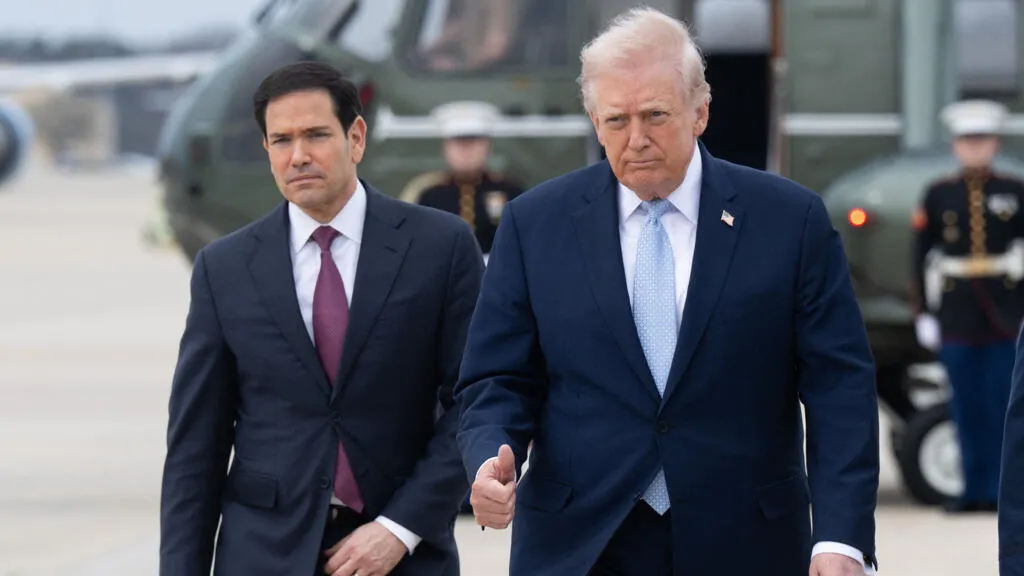
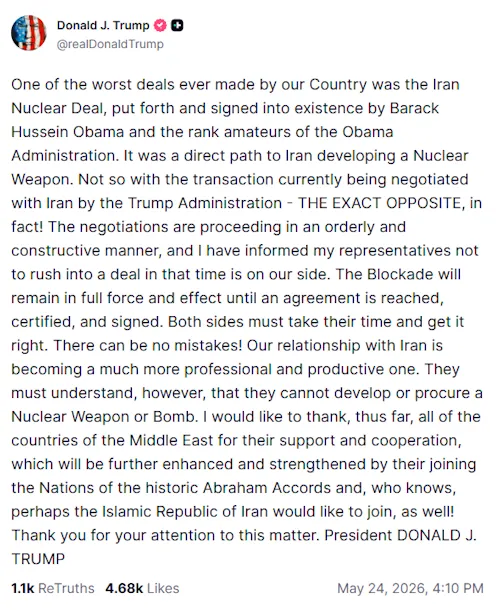
The offer comes as the two sides appear to be inching - slowly, cautiously, like a cat approaching a cucumber - toward some kind of agreement. US President Donald Trump added fuel to the optimism fire by suggesting a largely negotiated deal could soon reopen the Strait of Hormuz, the narrow chokepoint through which roughly one fifth of the world's oil supply flows on any given day.
Why the Strait of Hormuz matters so much
If you have ever paid for petrol, electricity, or basically anything that requires energy to produce, the Strait of Hormuz has had a quiet but decisive role in your life. The waterway, sitting between Iran and Oman, is the jugular vein of global oil markets. Any serious disruption there sends shockwaves from Wall Street to your local supermarket's olive oil shelf. So yes, getting it reliably open again is kind of a big deal.
Pakistan's diplomatic play
Sharif's offer is not purely altruistic, of course. Hosting high-profile talks would be a significant diplomatic win for Islamabad, a country that has spent recent years navigating its own turbulent neighborhood - balancing relations with India, Afghanistan, China, and the US all at once. Volunteering to mediate between Washington and Tehran would be a statement that Pakistan is a serious regional power worth listening to.
The talks, if they happen on Pakistani soil, would mark another step in a broader diplomatic push that has seen Oman and other Gulf states also serve as quiet backchannels between Iran and the West.
So is a deal actually happening?
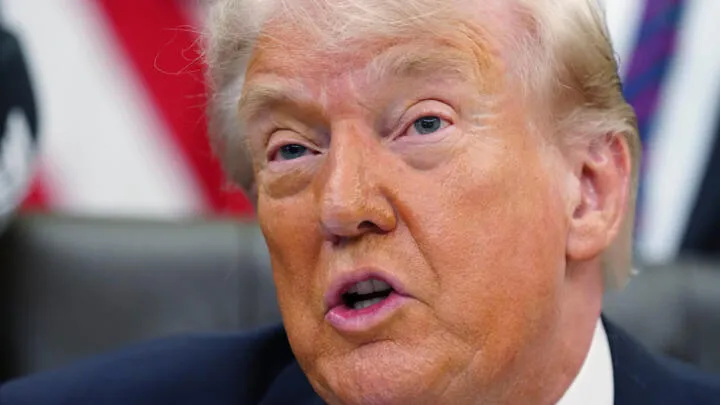
Trump's comments suggest cautious optimism, but "largely negotiated" is doing a lot of heavy lifting in that sentence. Iran and the US have decades of mistrust, sanctions, proxy conflicts, and strongly-worded press releases between them. A full agreement remains elusive, but the fact that both sides are still talking - and that a third country is eagerly setting up the chairs - is not nothing.
For now, the world watches, oil traders refresh their screens nervously, and Pakistan irons its best diplomatic tablecloths just in case.
Source: France24