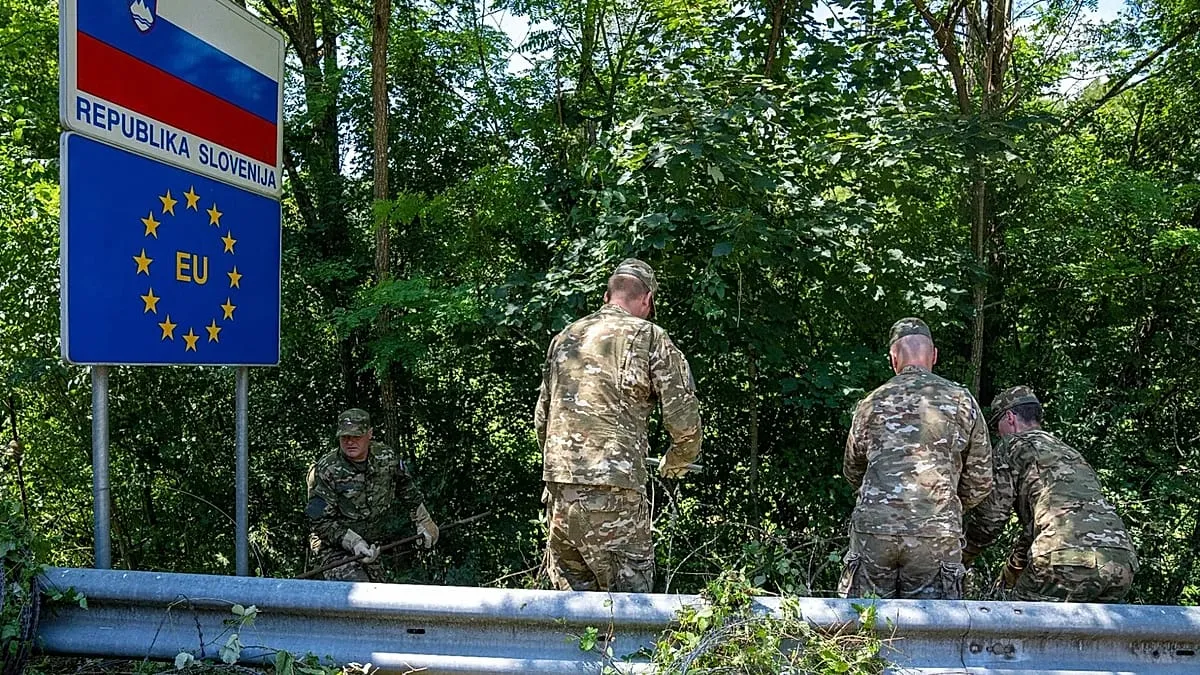
The Pentagon confirmed on Tuesday that it is trimming the number of US Brigade Combat Teams stationed in Europe from four down to three, effectively rolling back troop deployments to levels last seen in 2021 - you know, before Russia decided to invade Ukraine and make everyone's life significantly more complicated.
According to France24, the drawdown is framed by Washington as a deliberate nudge - or depending on your geopolitical mood, a shove - for European allies to step up and take greater ownership of their own regional defence. The message from the Pentagon, diplomatically translated, is something along the lines of: 'We believe in you, Europe. Now please believe in yourselves.'
What actually changes on the ground
In practical terms, the most immediate consequence of the reduction is a temporary delay in the planned deployment of additional US forces to Poland. Poland, which has been one of the most vocal advocates for a strong NATO presence on its eastern flank given its geography - sharing borders with both Belarus and the Russian exclave of Kaliningrad - will have to wait a bit longer for those reinforcements.
A Brigade Combat Team is no small thing to pull: these are combined-arms units typically comprising several thousand soldiers, equipped with armour, artillery, and enough logistical muscle to make a real difference in any hypothetical confrontation scenario. Dropping from four to three is not catastrophic, but it is a signal.
The bigger picture: pay up or we leave
This move fits neatly into a broader and increasingly loud American conversation about burden-sharing within NATO. The Trump administration has made no secret of its frustration with European allies who have historically spent below the NATO defence spending target of 2% of GDP - though to be fair, many European nations have been scrambling to meet and even exceed that threshold since February 2022.
Whether this troop reduction is a tactical adjustment, a negotiating chip, or a genuine strategic pivot is the million-dollar question - or perhaps the several-hundred-billion-dollar question, given what European rearmament actually costs.
For now, the Pentagon has its talking points ready: this is about encouraging European responsibility, not abandoning the continent. European defence ministers, meanwhile, are presumably updating their spreadsheets and having some very stressful phone calls.
The situation bears close watching, particularly for Poland and the Baltic states, where the presence of US forces has long served as the most tangible symbol of Article 5 commitments. A symbolic reduction today has a funny way of looking less symbolic in hindsight.