A photograph showing an Israeli soldier apparently smashing a statue of Jesus Christ in Lebanon has drawn widespread condemnation online, according to a report by Al Jazeera published on April 19, 2026.
The image spread rapidly across social media platforms, prompting accusations from users around the world that Western governments and media outlets have been slow or unwilling to respond to what critics describe as a pattern of attacks on religious symbols and sites carried out by Israeli soldiers and settlers.
The incident has added to a growing list of documented cases involving damage to religious property in areas where Israeli military operations have taken place. Critics have drawn comparisons to the international reactions that followed attacks on Islamic or Jewish religious sites in other contexts, arguing that a double standard exists in how such incidents are covered and condemned.
Broader context of religious site damage
Al Jazeera's report situates the statue incident within a wider pattern of alleged destruction of Christian and Muslim religious heritage in Lebanon and the Palestinian territories. Human rights observers and religious leaders have previously raised concerns about damage to churches, mosques, and historical monuments during Israeli military operations.
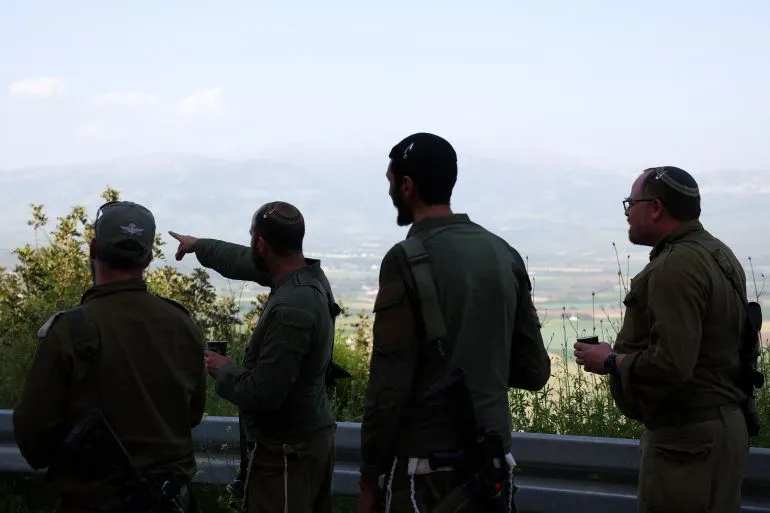
Social media commentary on the photograph was largely critical, with many users questioning why major Western governments had not issued formal statements condemning the act. Some users noted that attacks on religious symbols typically prompt swift diplomatic responses when carried out by other parties in other conflicts.
The Israeli military had not issued a public statement in response to the photograph at the time of Al Jazeera's reporting. It was not immediately clear from the source material where in Lebanon the image was taken or the precise circumstances surrounding it.
Reactions and calls for accountability
Religious advocacy groups and commentators from across the political spectrum called for an investigation into the incident and accountability for those involved. Some Christian community leaders in the region expressed particular alarm, viewing the image as emblematic of broader threats to Christian heritage in the Middle East.
The episode comes amid ongoing tensions stemming from Israel's military campaign in Lebanon, which has drawn scrutiny from international human rights organizations over its impact on civilian infrastructure and cultural sites.
Al Jazeera, which is based in Qatar, has been among the primary outlets covering allegations of damage to religious and cultural property in the region. The network's reporting reflects one perspective in a conflict where access for independent journalists has at times been restricted.