If you thought the Russia-Ukraine war had pushed Warsaw and Kyiv into an unbreakable bromance, buckle up - because according to Euronews, the two neighbors are currently locked in what observers are calling their deepest diplomatic crisis yet, and it did not come from a battlefield or a border dispute. It came from history class.
So what actually happened?
The crisis was triggered by a military designation - the specifics of which have lit a very old fuse between the two countries. The move exposed just how differently Poland and Ukraine remember their shared past, particularly around events from World War II that remain raw, contested, and politically explosive on both sides.
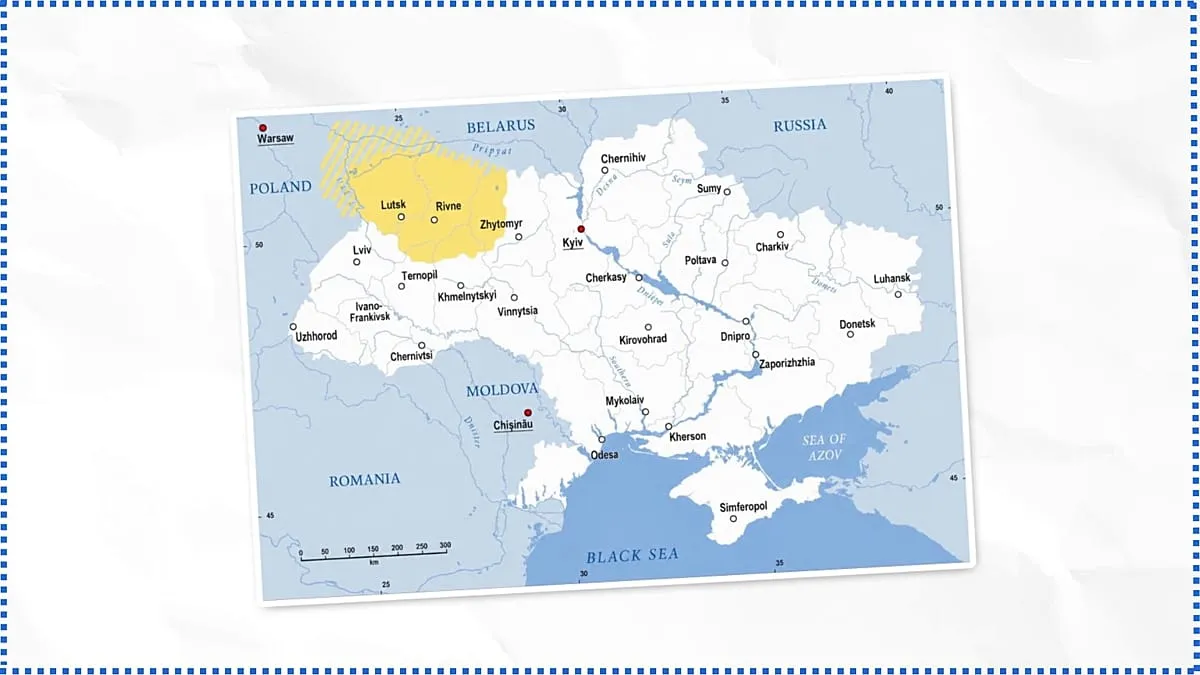
Poland and Ukraine have long nursed conflicting national narratives about the Volhynia massacres of the 1940s, in which tens of thousands of Polish civilians were killed by the Ukrainian Insurgent Army (UPA). For Poland, this is genocide. For significant parts of Ukraine, the UPA are national heroes and symbols of resistance. You can already see how a military designation touching on any of this would go down like a lead balloon in Warsaw.
Why this matters way more than a regular spat
The timing is, to put it diplomatically, absolutely terrible. Poland has been one of Ukraine's most vital allies since Russia's full-scale invasion in 2022 - hosting millions of Ukrainian refugees, channeling military aid, and acting as a logistical backbone for Western support. A fracture here is not just awkward at dinner parties; it has real strategic consequences for the war effort and for Ukraine's Euro-Atlantic integration ambitions.
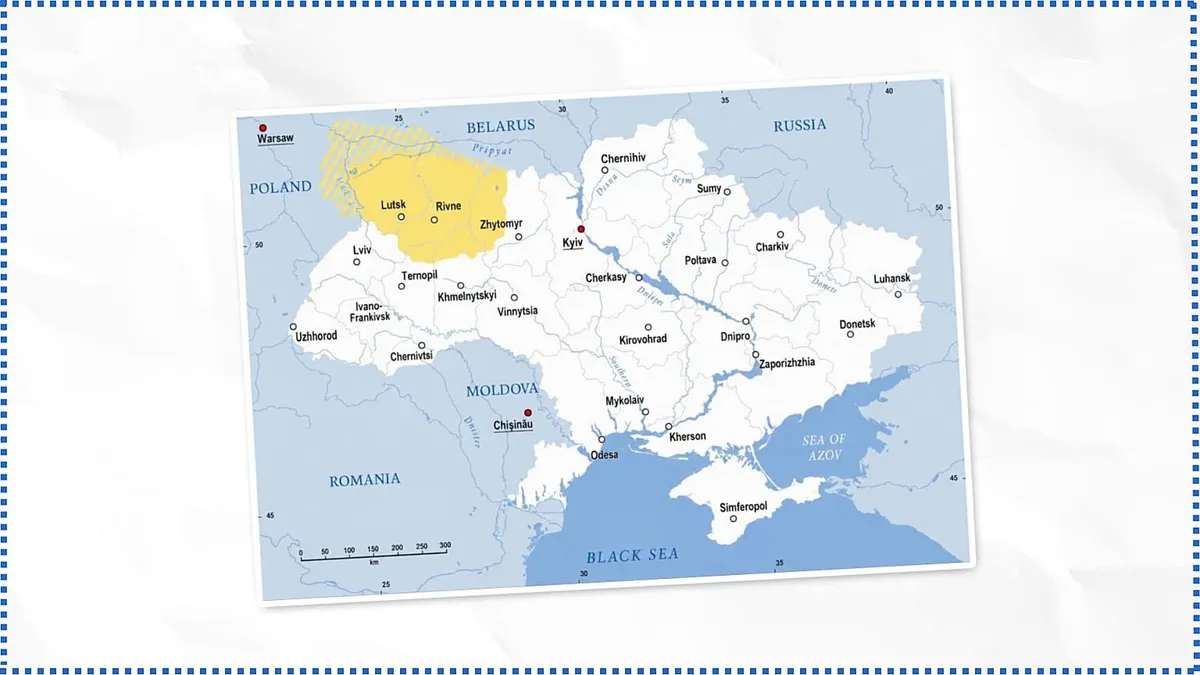
Euronews describes this as exposing "deeply conflicting national narratives" - which is diplomatic-speak for: two countries look at the same historical events and see completely different villains and heroes. That is a hard problem to solve with a press release.
Can they patch it up?
Both governments have strong incentives to de-escalate. Poland needs Ukraine to eventually stabilize so its refugee situation normalizes. Ukraine desperately needs Poland's political backing in Brussels and Washington. But "strong incentives" and "political will" are famously different things, especially when nationalist sentiment on both sides is running hot.
This is one of those situations where the adults in the room know they need to shake hands, but the history books in both countries are basically screaming at each other from across the table.
Watch this space - because how Warsaw and Kyiv navigate this will say a lot about whether wartime solidarity can survive the weight of unresolved 80-year-old wounds.
Source: Euronews