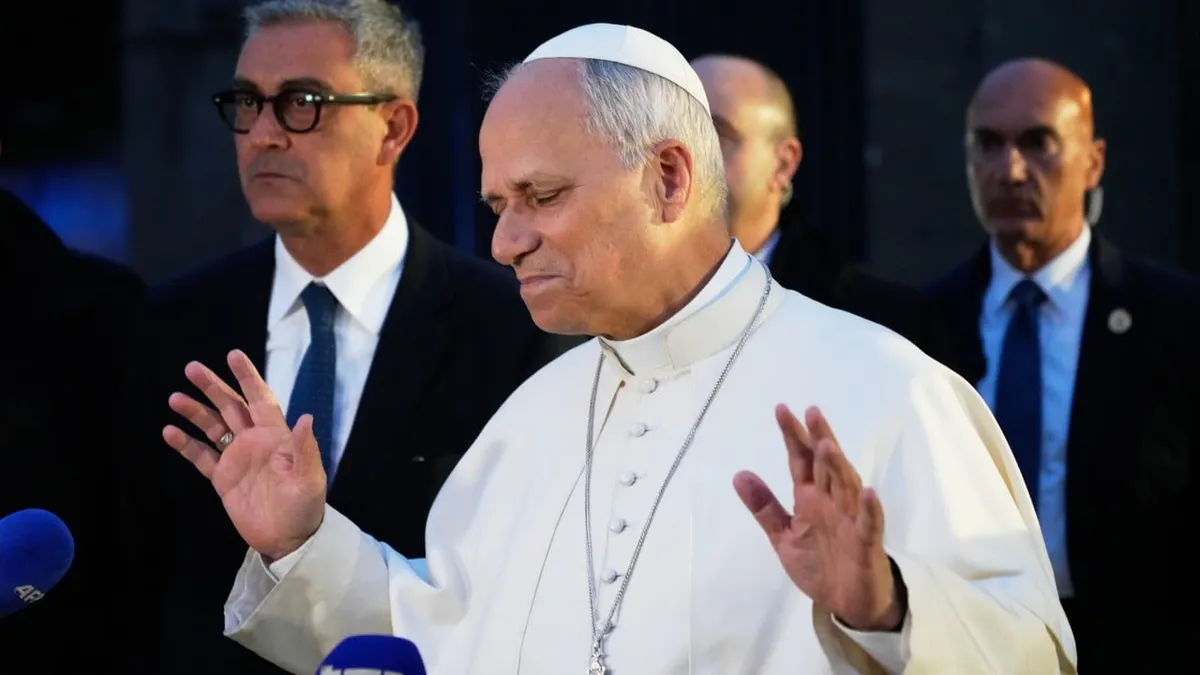
Pope Leo XIV visited a historic shrine in Angola on Sunday that was once linked to the trans-Atlantic slave trade, where he acknowledged the deep pain endured by generations of Africans, according to France 24.
Speaking at the site, the pontiff described the "sorrow and great suffering" that marked the lives of those who were enslaved and trafficked through the region. Angola served as one of the largest sources of enslaved people during the trans-Atlantic trade, and the shrine stands as a memorial to that history.
The visit carries significant symbolic weight. It comes at a moment when the Catholic Church is facing growing scrutiny over its historical role in slavery - including the involvement of church institutions in the trade itself and the influence of colonial-era papal doctrine that some historians argue provided ideological cover for the conquest and exploitation of African peoples.
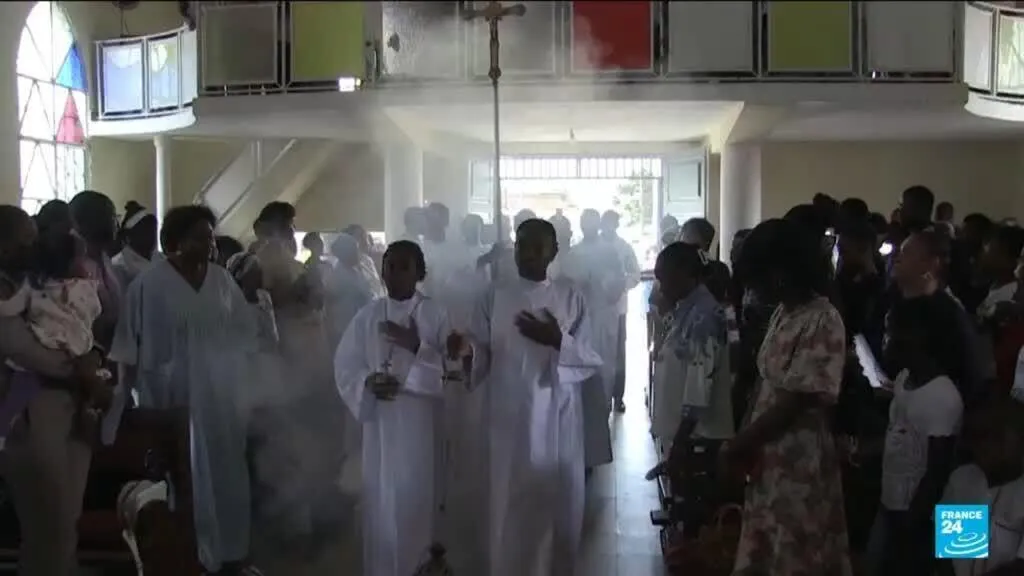
A church grappling with its past
The Catholic Church has in recent years taken steps to address its historical relationship with slavery and colonialism. Pope Francis, Leo XIV's predecessor, issued formal apologies for the church's role in the forced assimilation of Indigenous peoples and other abuses carried out under colonial rule.
Pope Leo XIV's visit to Angola appears to continue that posture of reckoning, though the extent of any formal acknowledgment or apology was not detailed in early reports of the trip.
Angola itself has a complex colonial history, having been under Portuguese rule for centuries before gaining independence in 1975. The country was one of the primary departure points for enslaved Africans transported to the Americas, with millions passing through its ports between the 16th and 19th centuries.

Papal visit to the African continent
The stop at the shrine is part of a broader papal visit to Angola and reflects the Vatican's continued engagement with the African continent, which is home to one of the fastest-growing Catholic populations in the world.
Church leaders and observers have noted that visits to sites of historical suffering can serve both a pastoral and political function - offering solidarity to local communities while also signaling a willingness to confront difficult institutional histories.
Further details on the full itinerary and any additional statements made by the pope during the Angola visit were not immediately available at time of publication.