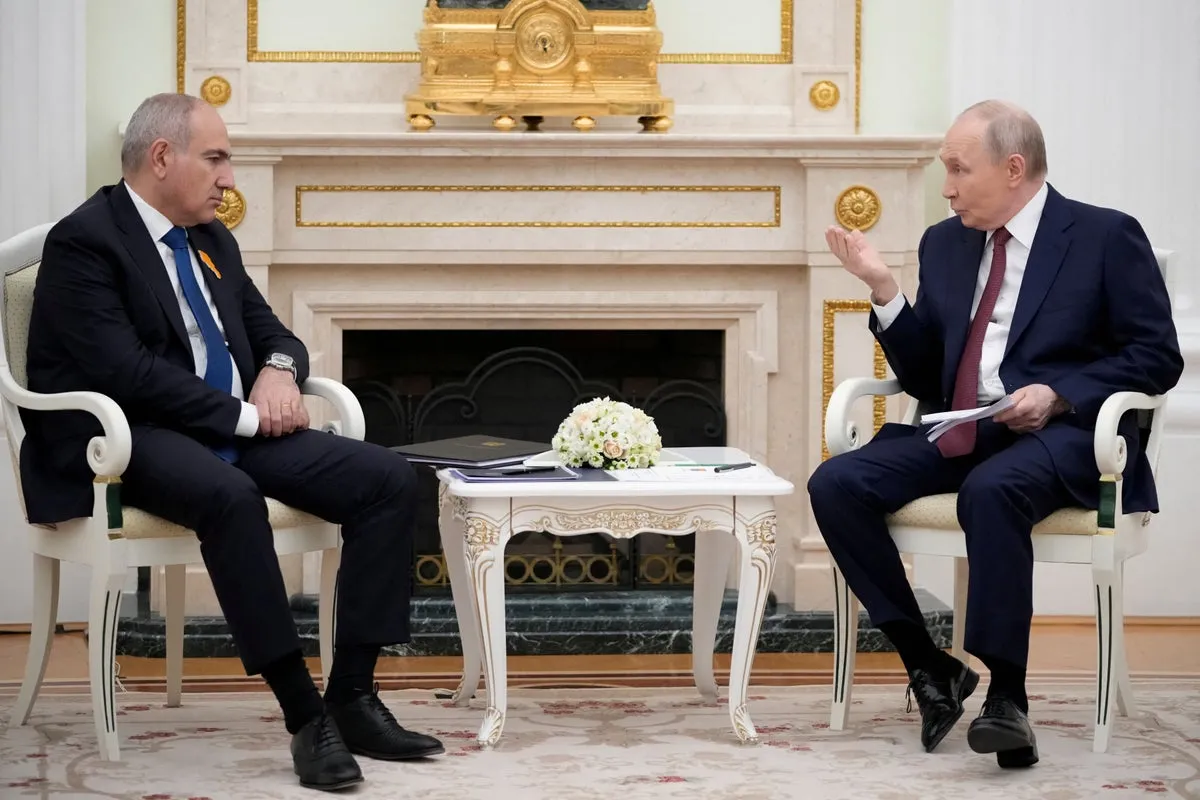
With impeccable timing that absolutely nobody could have predicted, Vladimir Putin has chosen the days immediately preceding Armenia's parliamentary election to issue a stern warning to Yerevan about its increasingly cozy relationship with the European Union. Nothing says 'free and fair democratic process' quite like a geopolitical pressure campaign from your giant neighbor to the north.
What actually happened
According to reporting by The Independent, Putin issued a warning to Armenia ahead of its Sunday parliamentary election, directed at the country's growing European ambitions. Armenia, which has been drifting away from Moscow's orbit for some time now, has been making tangible moves toward EU integration - a trajectory that Kremlin leadership has been watching with increasing irritation.

This is not happening in a vacuum. Armenia has had a bruising few years in its relationship with Russia. After the devastating loss of Nagorno-Karabakh in 2023 - a conflict during which Russia's promised security guarantees turned out to be worth approximately nothing - Armenian Prime Minister Nikol Pashinyan has been openly questioning whether the Moscow alliance actually serves Armenian interests. Spoiler: he concluded it does not.
The broader picture
Armenia has since suspended its participation in the Collective Security Treaty Organization, the Russian-led military bloc, and has been actively pursuing closer ties with the EU, including visa liberalization talks and increased trade cooperation. The country even held joint military exercises with the United States, which in the Kremlin's worldview is roughly equivalent to a declaration of romantic interest in a rival.
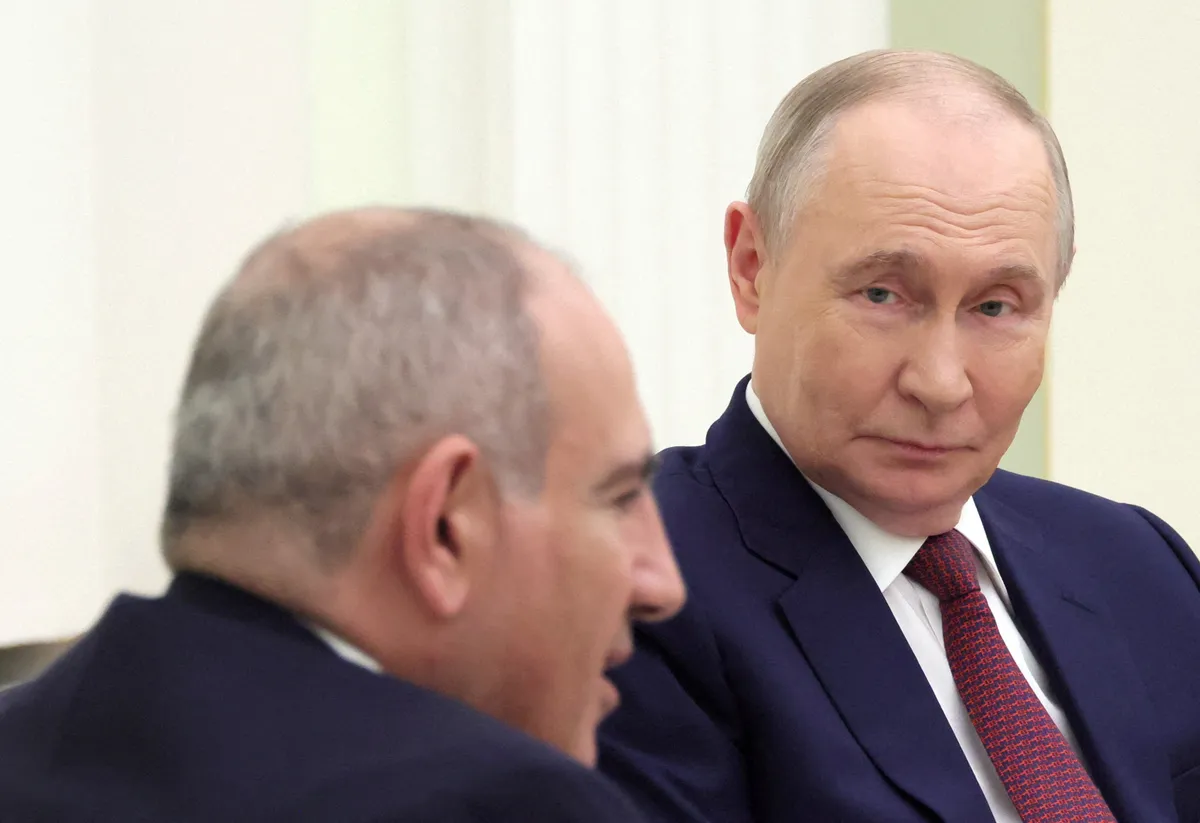
Putin's warning fits a well-established pattern of Russia applying political pressure on former Soviet states whenever they inch toward Western institutions. Georgia, Ukraine, Moldova - the playbook is familiar. What makes Armenia's case particularly interesting is that it is landlocked, surrounded by complicated neighbors, and until recently considered one of Russia's more reliable partners in the South Caucasus.
What comes next
The election itself will be a significant indicator of whether Armenian voters want to continue down the European path or respond to Russian pressure by pulling back. Pashinyan's bloc has been the driving force behind the westward pivot, so the results will function as something of a referendum on that direction.
Whether Putin's last-minute warning will actually move votes is another question entirely. Sometimes unsolicited pressure from an overbearing neighbor has a way of producing exactly the opposite of the intended effect. Armenia has been burned before, and voters have a memory.
The situation bears watching closely - it is one of the more underreported geopolitical pivots happening in real time, and the South Caucasus has a long and colorful history of making world headlines in ways nobody anticipated.