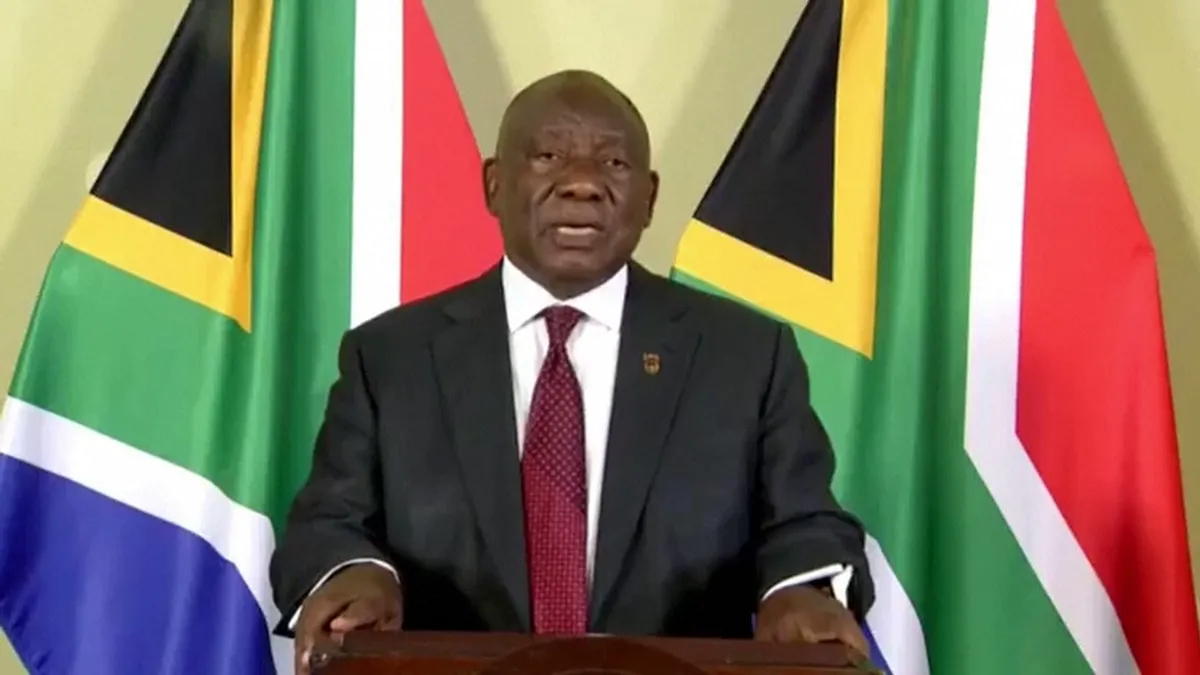
South African President Cyril Ramaphosa has firmly rejected calls for his resignation, declaring he will not step down despite parliament establishing an impeachment committee to reinvestigate allegations that he concealed the theft of large sums of cash hidden in furniture at his private game farm.
"I will not resign," Ramaphosa stated, according to reporting by Sky News, signaling his intention to fight the allegations through institutional processes rather than yield to mounting political pressure.
The allegations
The controversy centers on claims that a significant amount of foreign currency was stolen from Ramaphosa's Phala Phala farm in 2020 and that the theft was not reported to the relevant authorities. Critics have alleged the concealment of the incident constitutes a serious breach of his constitutional obligations as head of state.
The scandal, which became publicly known earlier this year after a former intelligence official made the allegations, has intensified scrutiny of Ramaphosa's conduct and raised questions about his continued fitness for office.
Parliamentary process
South Africa's parliament has moved to reinvestigate the matter by forming a dedicated impeachment committee, a significant procedural step that reflects the seriousness with which lawmakers are treating the allegations. The committee's establishment signals that the issue has not been resolved by earlier inquiries and that pressure on Ramaphosa from within the political system remains substantial.
The move comes at a politically sensitive time for Ramaphosa, who faces elections within the ruling African National Congress party and is seeking to consolidate his leadership position heading into the country's next general election cycle.
Ramaphosa's position
The president has consistently denied any wrongdoing and framed the controversy as a politically motivated attempt to undermine both his leadership and his anti-corruption agenda. He has pointed to his record of institutional reforms and law enforcement appointments as evidence of his commitment to accountability.
His refusal to resign echoes the stance he took during a previous independent panel review of the matter, which found there was sufficient evidence to warrant further parliamentary investigation but stopped short of recommending immediate removal from office.
South Africa's opposition parties and some civil society groups have called for Ramaphosa to step aside pending the outcome of the inquiry, arguing that remaining in office while under investigation damages the credibility of the presidency.
The impeachment process, if pursued to its conclusion, would require a two-thirds majority vote in the National Assembly to remove the president - a threshold that analysts note would be difficult to achieve given the ANC's current parliamentary numbers.