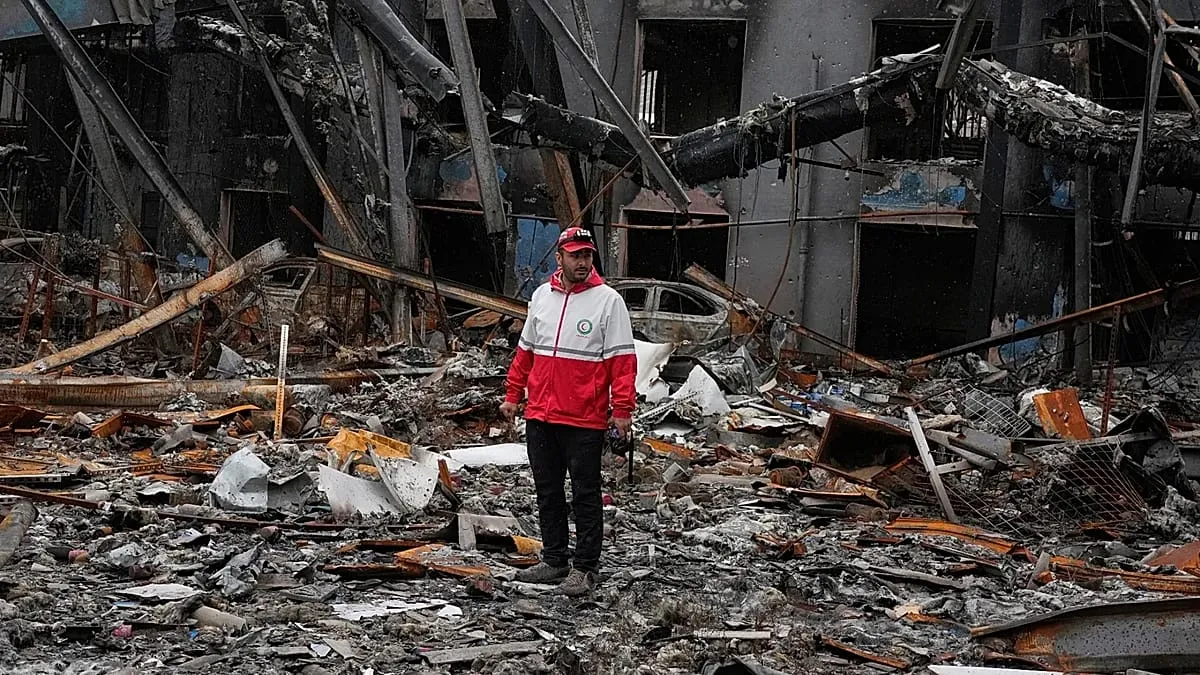
The International Committee of the Red Cross has delivered its first aid shipments to Iran since the outbreak of the ongoing regional war, the organization announced, as the confirmed death toll across the conflict zone continues to rise.
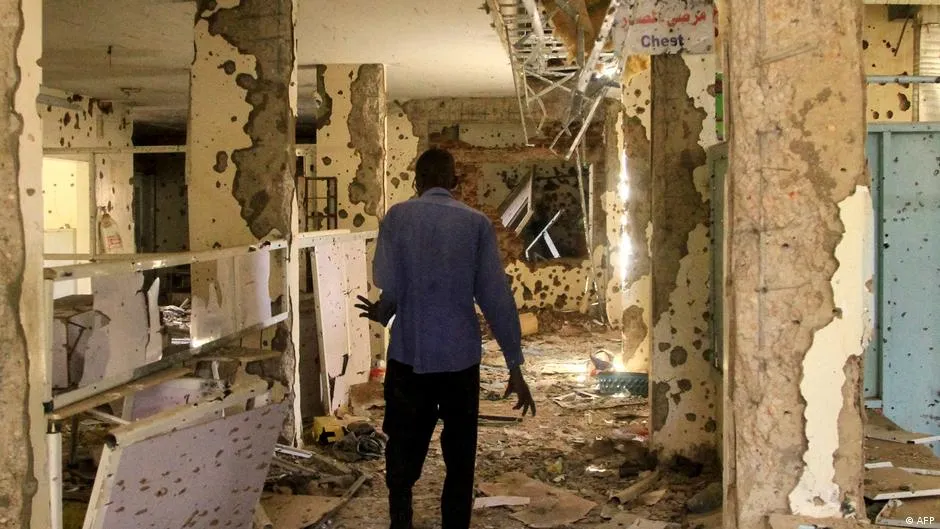
According to figures reported by Euronews, the war has killed at least 3,000 people in Iran, making it the country with the highest recorded casualties in the conflict. Lebanon has suffered at least 2,020 deaths, while Israel has recorded 23 fatalities. More than a dozen people have also been killed in Gulf Arab states.
Aid access under strain
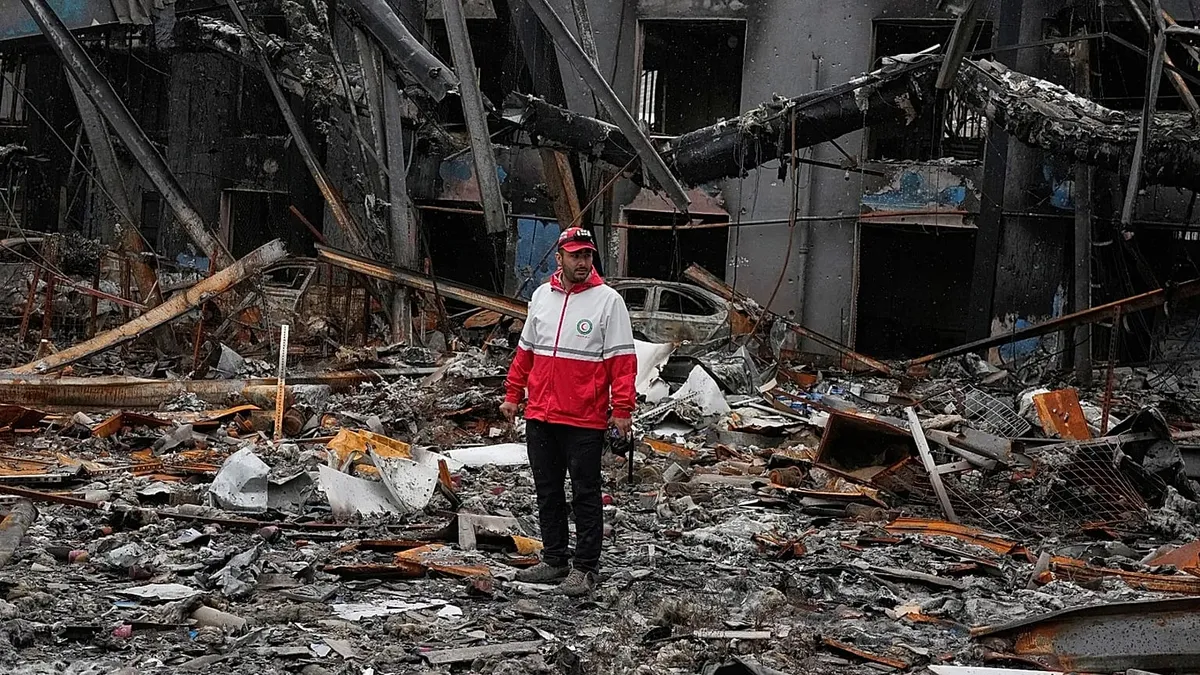
The Red Cross announcement signals a significant development in humanitarian access to Iran, which had not received formal aid shipments through the organization since hostilities began. The delivery comes as international humanitarian agencies have raised concerns about the ability to reach civilian populations in active conflict zones across the region.
The ICRC has not yet released detailed information about the contents or scale of the shipments delivered to Iran, or the specific routes used to facilitate access.
A widening human cost
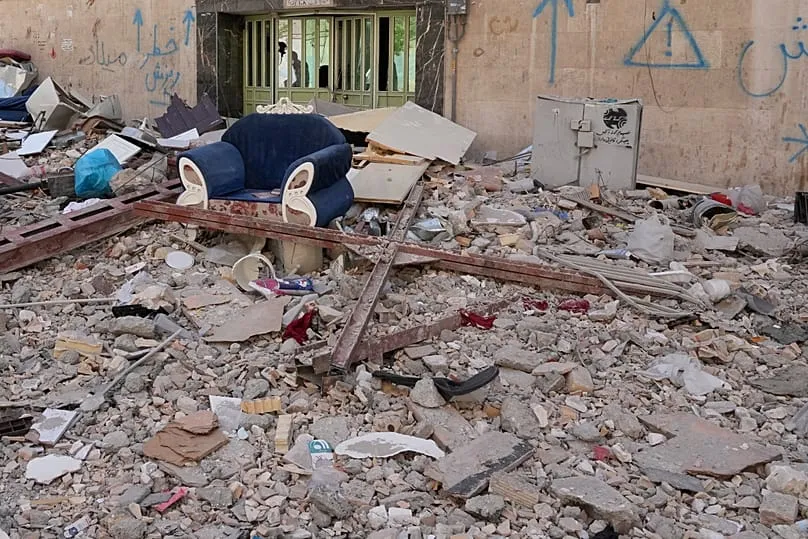
The death toll figures, as reported by Euronews, underscore the broad geographic reach of the conflict, which has drawn in multiple countries across the Middle East and the Gulf region. Iran and Lebanon account for the overwhelming majority of recorded fatalities, though casualty counts in active conflict situations are frequently subject to revision as access for independent verification remains limited.
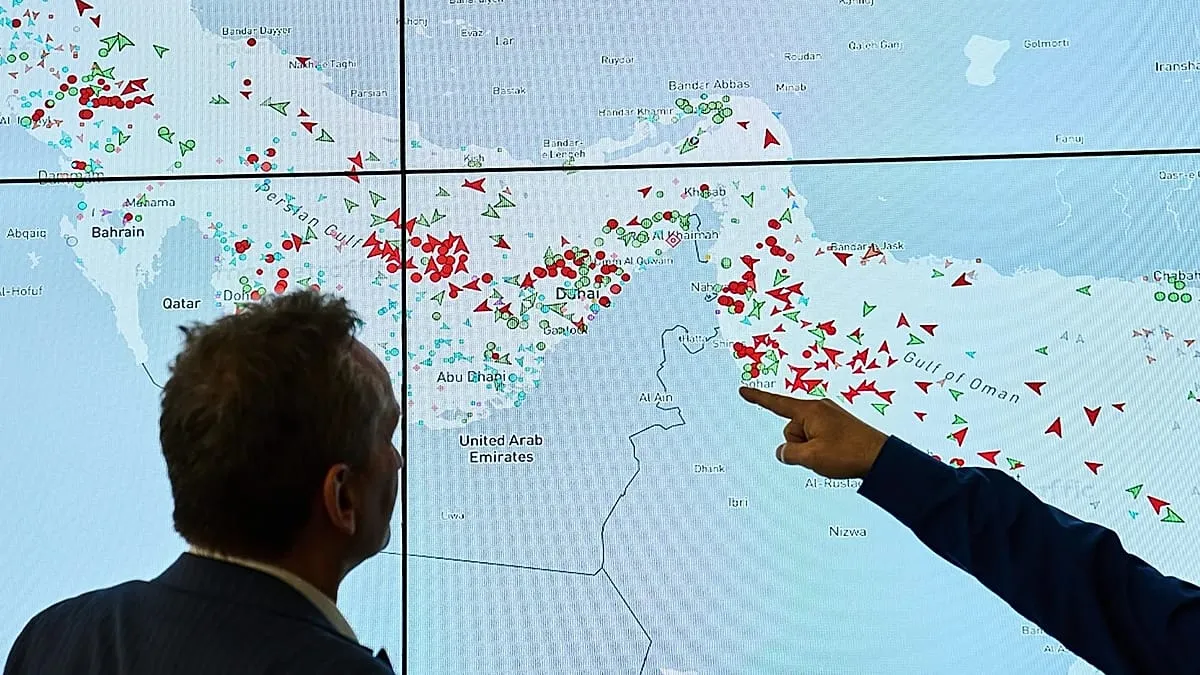
The involvement of Gulf Arab states, where more than a dozen deaths have been confirmed, points to the conflict's extension beyond the immediate Iran-Israel axis that has historically defined regional tensions.
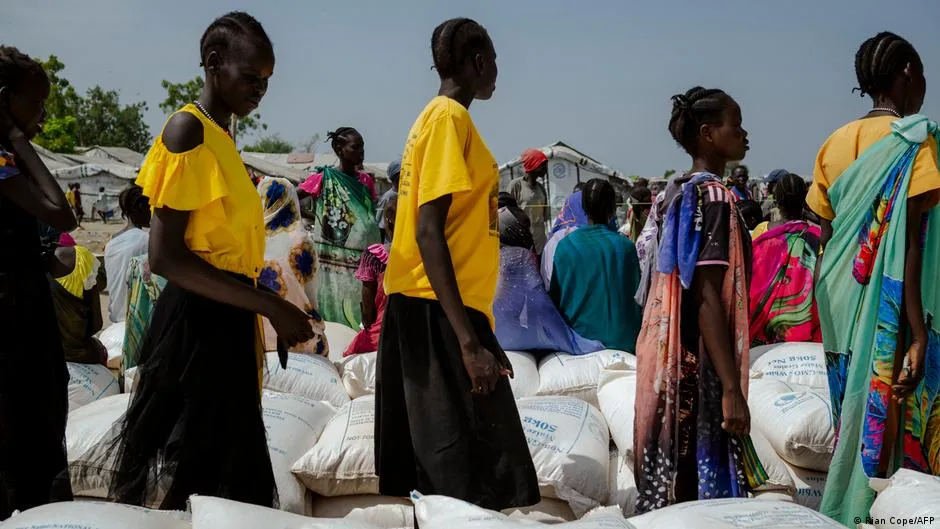
Humanitarian organizations have repeatedly called for protected corridors to allow aid delivery and the evacuation of civilians from the most heavily affected areas. The Red Cross shipment to Iran may represent an early step toward broader humanitarian access, though the situation on the ground remains fluid.
No ceasefire or formal negotiations have been publicly announced as of the time of reporting. The conflict's trajectory and the conditions under which aid organizations are operating continue to be closely monitored by international bodies.