The Bengal region, historically associated with secular intellectual traditions, is experiencing a significant shift toward religiously driven politics on both sides of its international border, according to reporting by Deutsche Welle.
In Bangladesh, Islamist political forces have gained considerable momentum in recent years. The country's political landscape has shifted in ways that have elevated religious identity as a central factor, with Islamist groups securing greater influence in public life and policy discussions.
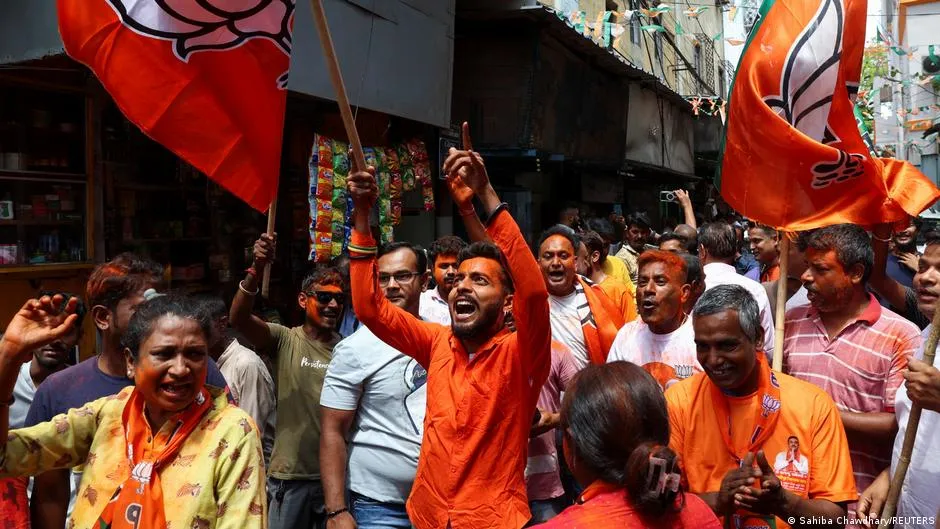
Across the border in India's West Bengal state, the Bharatiya Janata Party (BJP) - the Hindu nationalist party led nationally by Prime Minister Narendra Modi - has made substantial electoral inroads. The party's rise in a state that was long dominated by left-wing and secular political forces marks a notable transformation in the region's political character.
A break from secular tradition
Bengal's secular identity has deep historical roots. The region produced some of South Asia's most prominent reformers and intellectuals, and its political culture for much of the twentieth century was shaped by movements that downplayed religious affiliation in favor of class-based or nationalist identities.
The current trajectory on both sides of the border represents a departure from that legacy. Analysts quoted by Deutsche Welle suggest the changes are not isolated but reflect broader regional dynamics in which religious identity is becoming an increasingly powerful mobilizing force in electoral politics.
Cross-border implications
The parallel rise of religious politics in both Bangladesh and West Bengal carries implications for relations between the two countries. Tensions over the treatment of religious minorities - Hindus in Bangladesh and Muslims in West Bengal - have become more prominent in political discourse on both sides.
Violence against Hindu minorities in Bangladesh and concerns about the status of Muslims in BJP-governed Indian states have each been cited by political actors to reinforce their respective narratives, creating a dynamic in which events on one side of the border can amplify political pressures on the other.
The shift underscores a wider pattern across South Asia, where religious nationalism has gained electoral traction in multiple countries over the past decade, challenging political traditions that had previously kept faith and governance at greater distance.