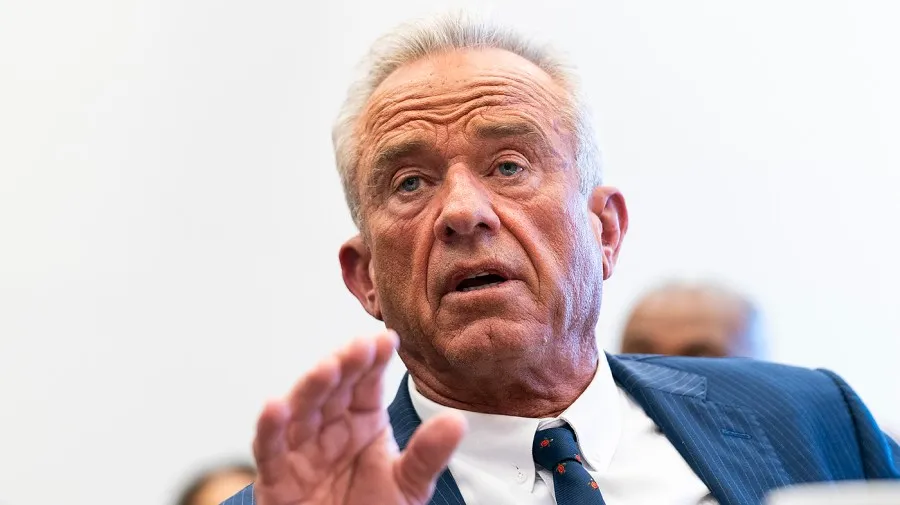
Health and Human Services Secretary Robert F. Kennedy Jr. testified before the House Education and Workforce Committee on Friday, marking his third congressional appearance in two days as lawmakers pressed the administration on its health care agenda.
The Friday hearing followed two consecutive House committee appearances on Thursday, which represented Kennedy's first time testifying before Congress in 2026, according to reporting by The Hill.
Across the hearings, Kennedy faced questions from lawmakers on the administration's priorities for health care policy and the direction of the department he leads. Specific lines of questioning from the Thursday sessions were directed at President Trump's broader health agenda as it relates to HHS operations.
A busy stretch on Capitol Hill
The back-to-back-to-back hearings represent an unusually concentrated period of congressional scrutiny for a cabinet secretary. Kennedy's appearances come as HHS has been at the center of significant policy changes under the current administration, drawing attention from both Republican and Democratic members of Congress.
The Education and Workforce Committee, which held Friday's session, has jurisdiction over matters including public health workforce policy, giving the panel a particular interest in HHS priorities and budget decisions.
Kennedy, the former environmental attorney and presidential candidate who was confirmed as HHS secretary, has been a prominent and at times controversial figure in the administration's health policy discussions. His views on vaccine safety and chronic disease have drawn both support and criticism from lawmakers on both sides of the aisle.
Congressional oversight of HHS
Cabinet secretaries are regularly called to testify before congressional committees as part of standard oversight functions, though appearing before three separate panels within a 48-hour window is relatively uncommon. The hearings provide lawmakers with an opportunity to question administration officials directly on spending, policy implementation, and departmental priorities.
HHS oversees a broad portfolio of federal programs including Medicare, Medicaid, the Food and Drug Administration, and the Centers for Disease Control and Prevention, making it one of the largest federal agencies by budget.
Details on the specific outcomes or notable exchanges from Friday's hearing before the Education and Workforce Committee were not immediately available at the time of reporting, as the session was ongoing, according to The Hill.