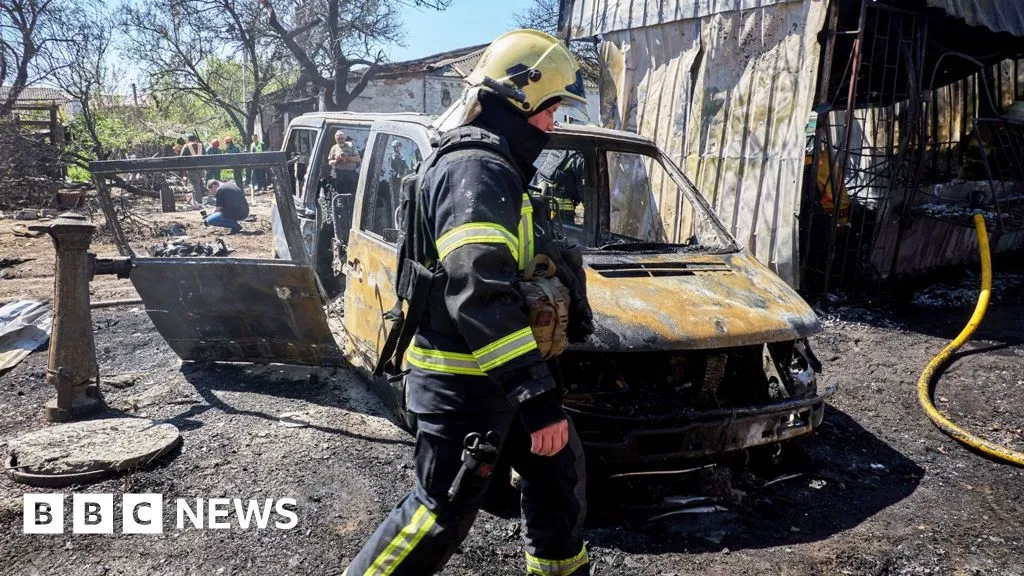
Russia and Ukraine have accused each other of violating a temporary ceasefire declared to coincide with Victory Day celebrations, with both sides reporting hundreds of drone attacks just hours after the truce was meant to begin, according to BBC reporting.
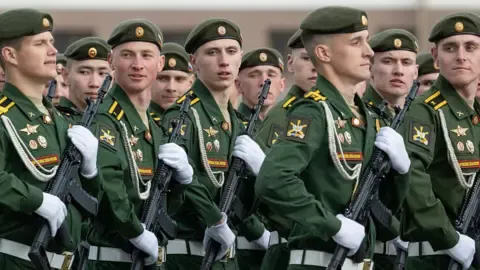
The ceasefire had been announced to cover the period marking the Soviet Union's defeat of Nazi Germany in World War Two - one of the most significant commemorative dates in the Russian calendar. Moscow holds large-scale military parades and public ceremonies on May 9 each year to mark the occasion.

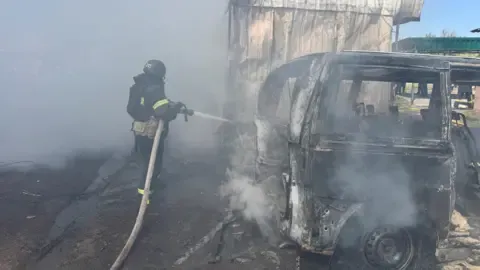
Despite the declared pause in hostilities, Ukrainian and Russian officials each claimed the other side had initiated attacks, making it difficult to independently verify who, if anyone, observed the truce. Both governments reported launching defensive responses to incoming drone strikes.
Conflicting accounts
The mutual accusations follow a pattern seen in previous ceasefire attempts during the more than three years of full-scale war. Neither side has provided independently verified evidence to support its version of events, and international monitors were not in place to confirm compliance or violations.
Ukraine has previously dismissed Russian ceasefire declarations as propaganda moves rather than genuine attempts to halt fighting, arguing that Moscow uses such announcements to shape international perception without altering battlefield conduct.
Russia, for its part, has accused Ukraine of deliberately targeting Russian territory during symbolic national events, framing Ukrainian military action as attacks on Russian cultural and historical identity.
Context of the truce
The Victory Day ceasefire is one of several temporary truces Russia has proposed during the conflict, including pauses declared around Orthodox Christmas and Easter. Ukrainian officials have consistently questioned the sincerity of these gestures, and fighting has continued through multiple declared pauses.
The collapse of the latest truce comes amid broader international efforts to push both sides toward a more durable halt to the fighting. The United States and European governments have urged negotiations, though no formal peace talks are currently underway.
The war, which entered its fourth year following Russia's full-scale invasion in February 2022, has resulted in significant casualties on both sides and widespread destruction of Ukrainian civilian infrastructure. A brief ceasefire, even if observed, would have had limited humanitarian impact compared to a sustained agreement.
Independent verification of claims made by either government in active conflict zones remains extremely difficult, and journalists and monitors face significant access restrictions along the front lines.