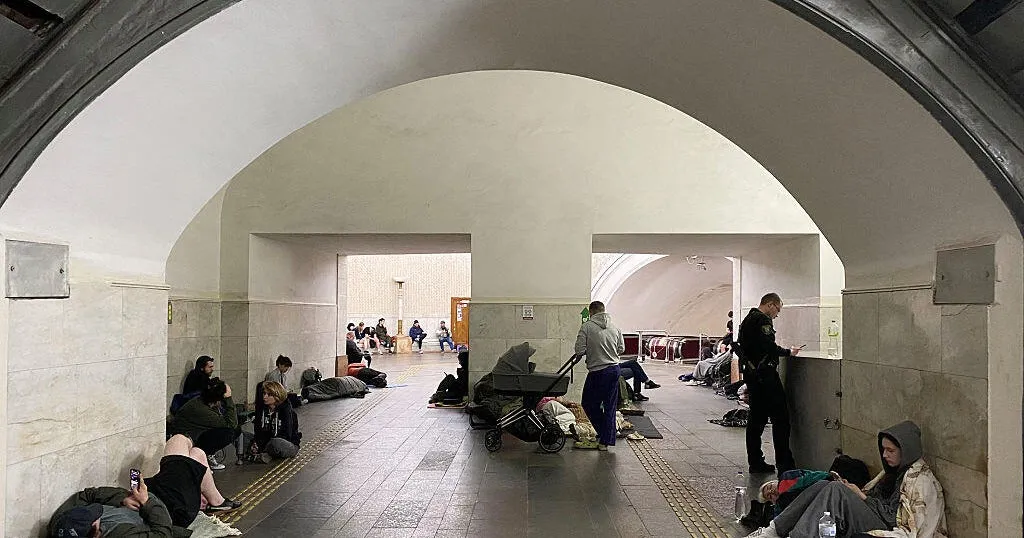
In what can only be described as the world's most terrifying game of tit-for-tat, Russia unleashed a heavy barrage of ballistic missiles on Kyiv following Ukrainian drone strikes in Russian-occupied eastern Ukraine, according to a report by CBS News.
Ukrainian authorities confirmed at least five people were wounded in the strikes, which Moscow had effectively telegraphed in advance after threatening retaliation for Ukraine's drone operations in occupied territories. Nothing says diplomatic communication quite like a large-scale missile bombardment on a capital city.
What actually happened
The attack involved a significant volley of ballistic missiles targeting Kyiv, making it one of the heavier bombardments the Ukrainian capital has faced in recent memory. Ukrainian officials were quick to report on casualties and damage, though the full scale of destruction was still being assessed at the time of reporting, per CBS News.

Russia framed the strikes as a direct response to Ukrainian drone attacks carried out in Russian-occupied eastern Ukraine - a region Moscow claims as its own following its internationally condemned annexation. Ukraine and its Western allies do not recognize that annexation, setting up the perpetual logic loop of "they attacked us first" that has defined so much of this conflict.
The retaliation carousel keeps spinning
This exchange fits a now-familiar pattern in the war: Ukraine probes Russian-held territory with drones and long-range weapons, Russia responds with missile strikes on Ukrainian cities, civilians pay the price, and the world watches with increasingly exhausted horror.
What makes this particular round notable is that Russia explicitly announced the retaliation was coming before it happened - a move that functions simultaneously as a warning, a propaganda statement, and a deeply grim demonstration that even telegraphed attacks are difficult to fully intercept.
The bigger picture
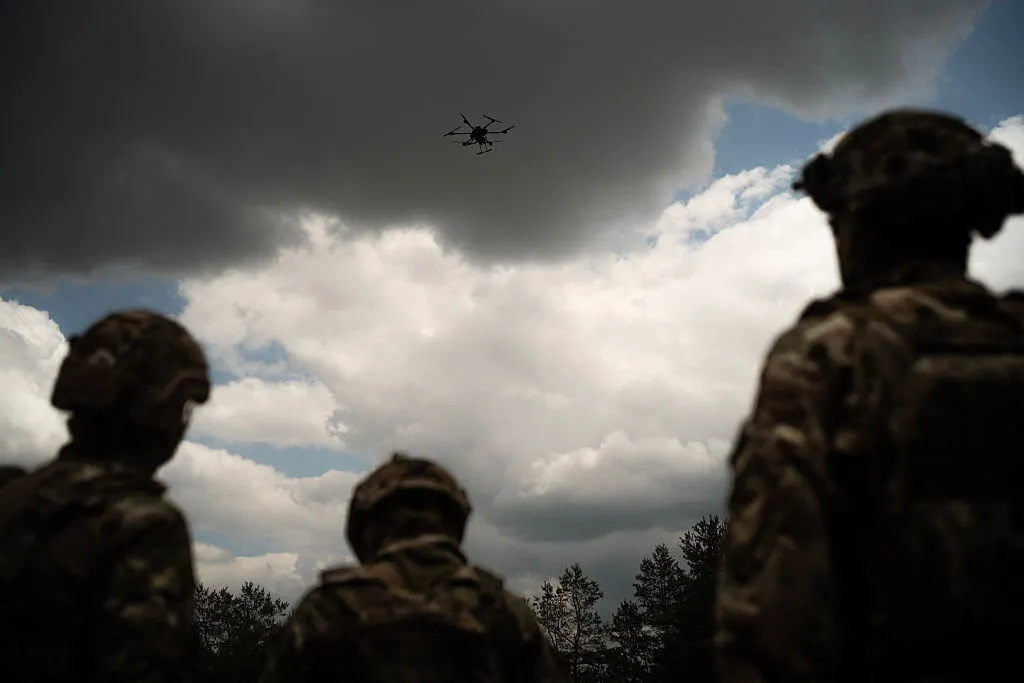
Kyiv has invested heavily in air defense infrastructure, with systems from Western partners helping to intercept incoming projectiles. However, large-scale ballistic missile attacks - as opposed to slower cruise missiles or drones - present a much shorter response window, making full interception exceptionally difficult.
The strike also lands at a moment when Western military aid packages and political support for Ukraine remain subjects of intense debate in Washington and European capitals, adding a layer of geopolitical tension to an already grim situation on the ground.
Five people wounded is, in the cold arithmetic of modern warfare, a relatively contained casualty count - but that number represents real people in a city of millions who went to sleep not knowing a barrage was incoming. For them, the retaliation carousel is not an abstraction.