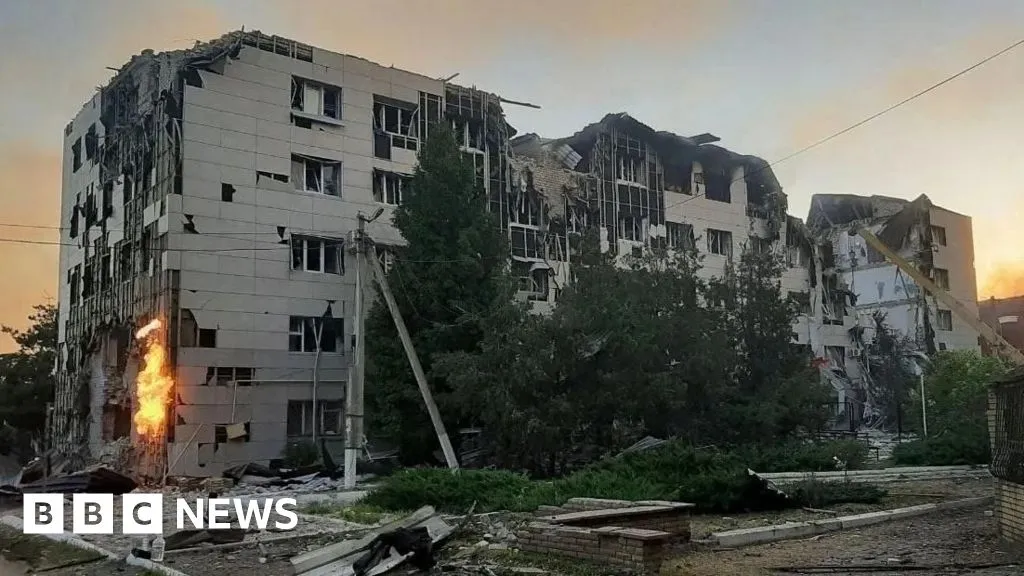
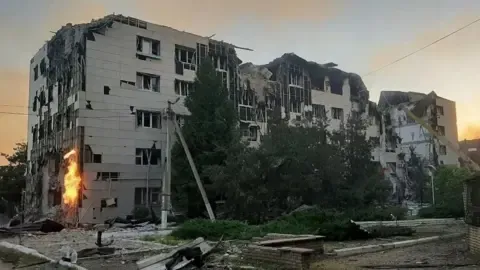
A strike on the town of Luhansk in Russian-occupied eastern Ukraine has left 18 people dead and 42 others injured, triggering a fresh round of finger-pointing and retaliation threats from Moscow, according to BBC News.
Russia wasted absolutely zero time blaming Ukraine for the attack and issuing the kind of stern vow-to-retaliate language that has become something of a geopolitical comfort blanket for the Kremlin at this point. Because apparently, in a war that has been grinding on for years, the concept of "retaliation" still needs to be announced like it is a new product launch.
What we know
The BBC's Steve Rosenberg reports that 18 people were confirmed killed in the strike, with dozens more wounded. Luhansk sits firmly in territory Russia claims to have annexed - one of the four Ukrainian regions Moscow declared as its own in 2022, in a move widely condemned by the international community as illegal under international law.
Russian officials attributed the strike to Ukrainian forces, though independent verification of the specific circumstances remains difficult given the restricted access to the region. Ukraine has not, at the time of writing, publicly claimed responsibility for the strike.
The retaliation merry-go-round
Moscow's promise to retaliate follows a well-worn script. Russia regularly threatens and carries out retaliatory strikes following attacks on Russian-held or Russian territory, which in turn prompt Ukrainian responses, which in turn prompt more Russian threats - a feedback loop that has been running since February 2022 and shows all the signs of a system with no off switch.
The death toll - 18 confirmed killed - makes this one of the deadlier single strikes on a populated area in recent months, and it is likely to add significant fuel to an already blazing cycle of escalation rhetoric coming out of Moscow.
Why this matters beyond the headlines
Luhansk has been under Russian control since 2014 and is considered one of the more "stable" parts of Russian-occupied Ukraine - which is to say, less of an active front line and more of a rear-area administrative hub. A strike of this scale in such a location signals that Ukraine's long-range capabilities continue to reach deep into occupied territory, a fact that consistently irritates Russian military planners and politicians alike.
As the war enters yet another grim chapter, the Luhansk strike serves as a brutal reminder that no corner of the conflict zone is truly removed from the violence - regardless of who draws the maps.
Source: BBC News