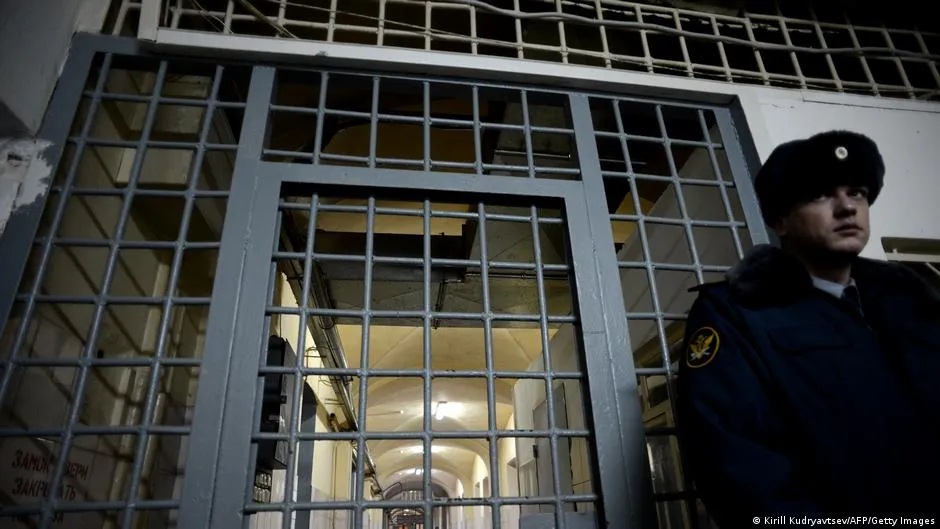
While the frontlines of Ukraine dominate global headlines, a quieter and arguably more sinister crisis has been unfolding behind bars deep inside Russia. Thousands of Ukrainian civilians - not soldiers, not combatants - have been detained, held for years, and subjected to torture in Russian prisons, according to a report by Deutsche Welle.
Who are these people?
We're not talking about prisoners of war here. These are ordinary Ukrainian men and women - teachers, farmers, journalists, community leaders - scooped up and thrown into detention facilities, in what human rights observers describe as a systematic breach of international humanitarian law. The Geneva Conventions are pretty clear on civilian protections during armed conflict, but apparently that memo never made it to the right desks in Moscow.
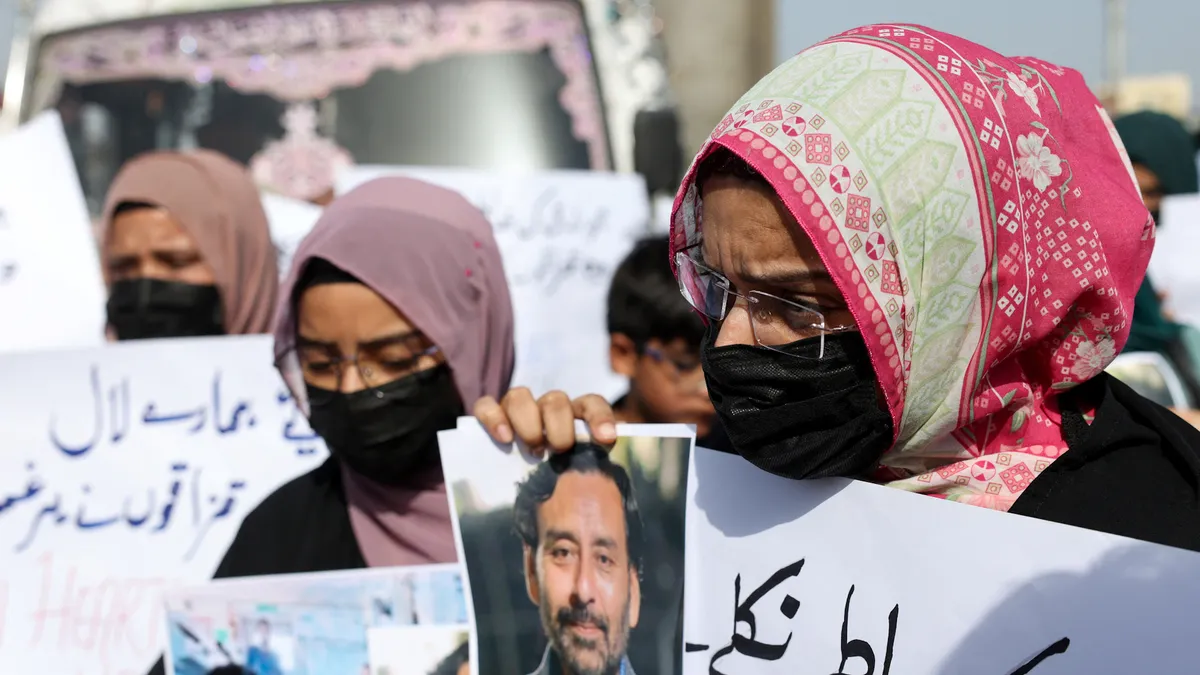
According to the DW report, the scale of this detention crisis is staggering, with families across Ukraine left in the dark about the whereabouts, condition, and legal status of their relatives. Some of these families have been fighting for answers for more than a decade - yes, you read that right, a decade - tracing back to Russia's initial moves in Crimea and the Donbas in 2014.
What happens inside?
Reports of torture are widespread. Detainees have reportedly faced physical abuse, psychological torment, and prolonged isolation. Access by independent monitors or legal representatives has been severely restricted or outright denied, making it nearly impossible to verify individual cases or push for release through legal channels.
The legal dimension
International humanitarian law - the body of rules meant to limit the effects of armed conflict - explicitly prohibits the arbitrary detention of civilians and demands humane treatment for anyone in custody. Critics and legal experts point out that Russia's practices, as described in these reports, represent not just individual violations but a pattern of conduct that could rise to the level of war crimes.
Despite international pressure, prisoner exchanges have been slow, partial, and often opaque. Families report being strung along with little official information, navigating a bureaucratic nightmare while their loved ones remain in custody thousands of kilometers away.
Why this matters
It is easy for geopolitical conversations to flatten human suffering into statistics and strategic calculations. But behind every number in this crisis is a family at a kitchen table, staring at an empty chair - some of them have been doing that since before many of today's headlines even began. The international community's response to this specific crisis has been, to put it diplomatically, underwhelming.
The DW report serves as a reminder that the war's human cost extends far beyond the battlefield, into prison cells that the world is only beginning to fully reckon with.