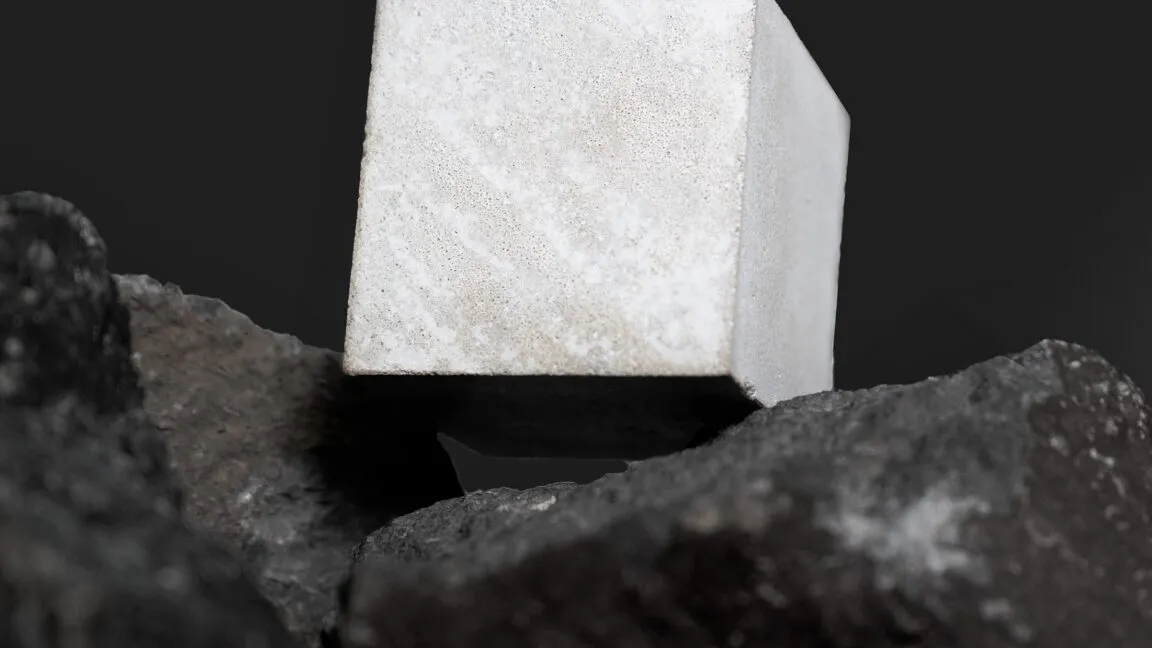
Cement is quietly one of the worst things humanity has ever invented for the planet. Not in a dramatic, explosion-y way - more in a slow, invisible, 8-percent-of-global-CO2-emissions kind of way. But according to new research highlighted by Ars Technica, the culprit might not be cement itself, but the specific rock we've been using to make it.
The limestone problem nobody talks about at parties
Standard Portland cement - the grey powder holding basically every building on Earth together - is made primarily from limestone. Here's the dirty secret: when you heat limestone to make cement, it releases CO2 as part of a basic chemical reaction. Not just from burning fuel to heat the kiln, but from the rock itself. That's called process emissions, and you can't wish them away with renewable energy. They're baked in. Literally.
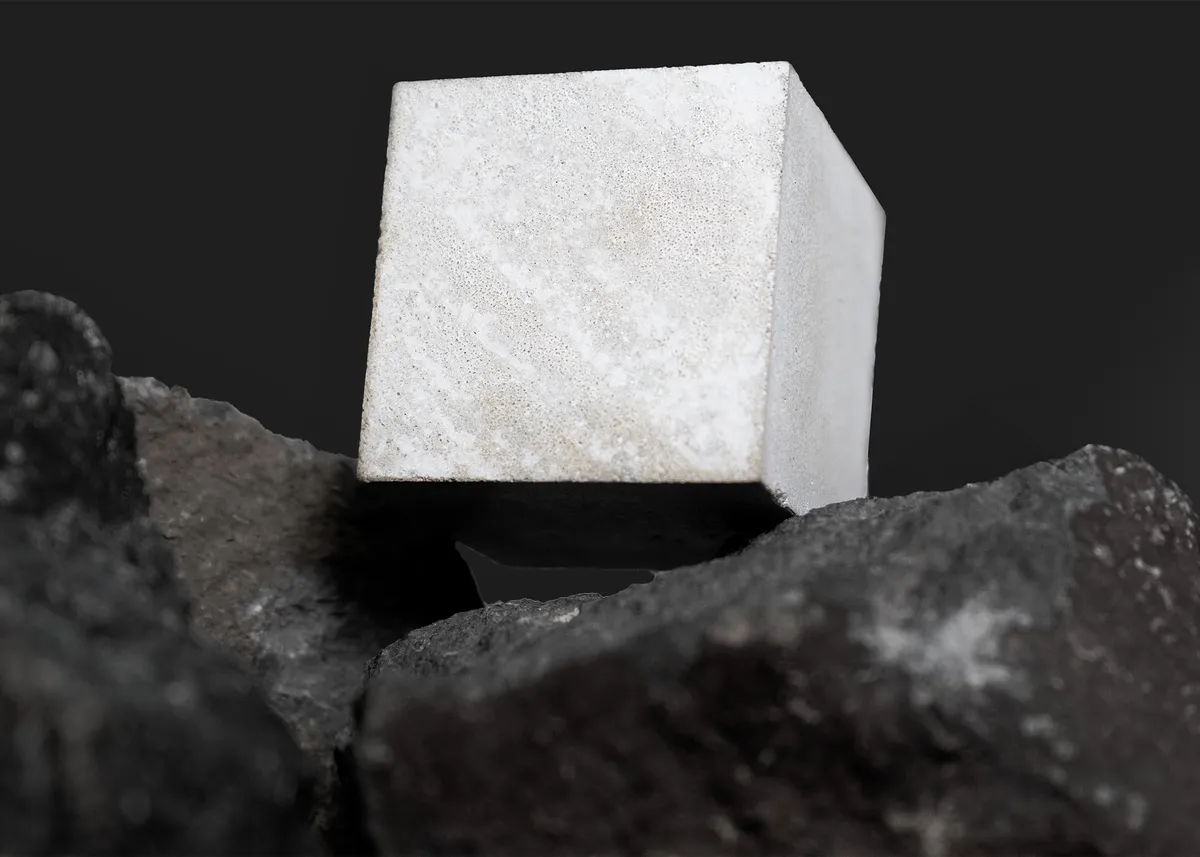
This is the part where engineers have been pulling their hair out for decades, because even a perfectly green-powered cement plant still bleeds carbon dioxide into the atmosphere during production.
Enter: a different rock
Researchers are now seriously examining whether alternative raw materials - other types of rocks and minerals beyond limestone - could serve as the base for cement production without triggering those pesky process emissions. The numbers, according to the Ars Technica rundown, are starting to look genuinely promising rather than just academically interesting.

The core idea is that certain silicate-based rocks could potentially replace or significantly reduce the limestone content in cement recipes, sidestepping the CO2-releasing chemical reaction at the heart of the problem. Some approaches even suggest the process could be engineered to absorb CO2 rather than emit it - which would be an absolutely unhinged plot twist for an industry this old and this dirty.
Why this actually matters
To put the scale in perspective: the cement industry produces more CO2 annually than the entire aviation sector. If researchers can crack a genuinely low-emission or zero-emission cement formulation that performs comparably to Portland cement, the climate math gets significantly less terrifying.

The research is still in the numbers-and-modeling phase rather than the "here's your new cement factory" phase, so don't go expecting your next driveway to be carbon-neutral just yet. But the direction of travel is encouraging, and the underlying chemistry appears sound enough that major engineering interest is following close behind.
For an industry that has been making basically the same product the same way since the 1800s, even the possibility of a structural rethink is kind of a big deal.