Just when we thought the airport experience couldn't get any more delightful - between the shoe removal rituals and the €14 sandwiches - Europe is now weighing whether to add Ebola screenings to the pre-boarding checklist. According to Euronews, the latest Ebola outbreak has prompted the United States to step up its airport screening measures, leaving Europe in its classic pose: arms crossed, eyebrows raised, and deeply unsure what to do next.
So what is actually happening?
The US has already moved to tighten entry screening protocols in response to the outbreak. Europe, meanwhile, is still in the "vigorous discussion" phase - which, if you follow EU policy timelines, could mean anything from "imminent action" to "check back in 18 months."
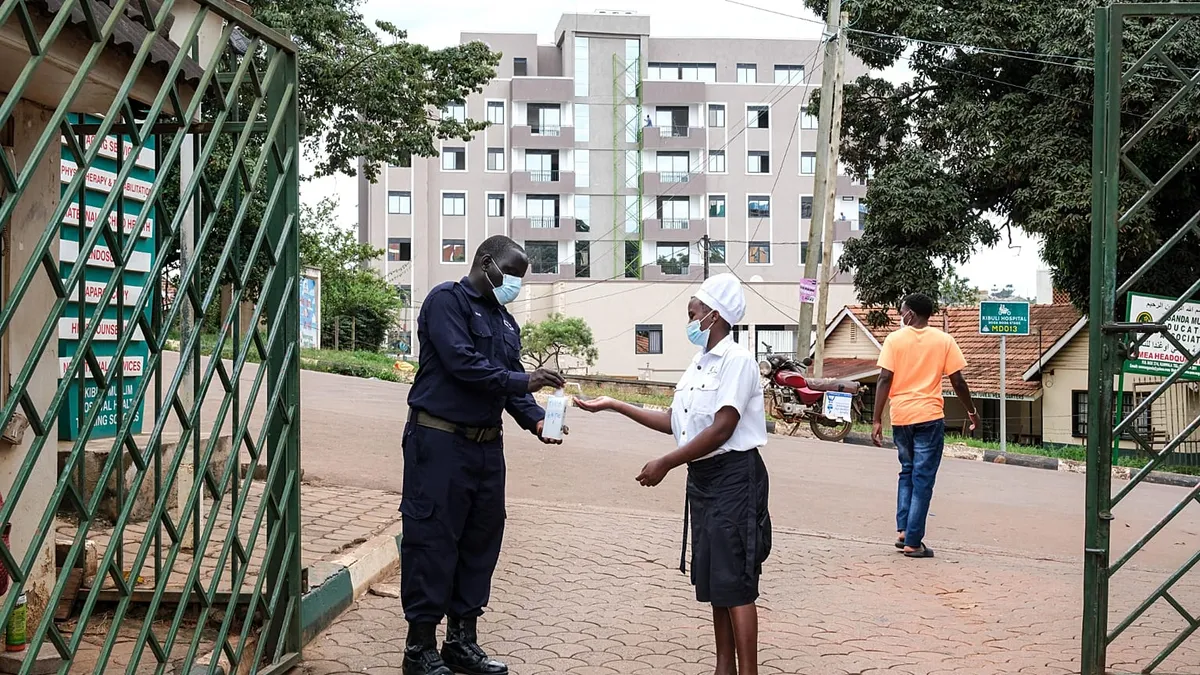
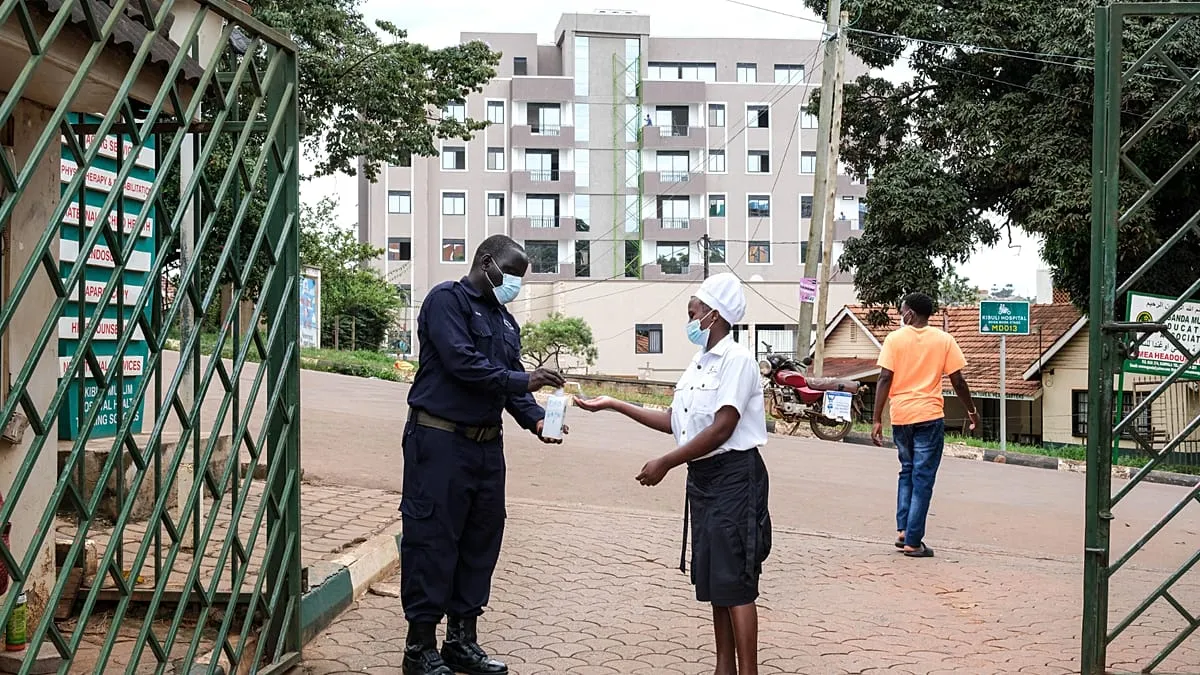
The options on the table range from temperature and symptom screening at major European airports to the nuclear option of scrapping flights from affected regions entirely. Both approaches come with trade-offs that public health experts are eager to point out.
Does any of this actually work?
Here is where it gets nerdy and a little humbling. Euronews notes that the effectiveness of these measures is genuinely debated among health officials. Airport temperature screening, for instance, has a well-documented Achilles heel: Ebola's incubation period can run up to 21 days, meaning an infected traveler can waltz through a thermal scanner looking perfectly fine while the virus quietly makes itself at home.

Flight cancellations sound decisive and dramatic - great for press conferences - but experts have previously warned that cutting off air routes can actually make outbreak responses harder by preventing aid workers, medical supplies, and researchers from reaching affected areas. Essentially, you slam the door and accidentally lock the firefighters outside.
The pressure is building
With the US already acting, European governments are facing the familiar political squeeze: do nothing and risk looking complacent, or implement measures that scientists say may offer more theater than protection. Neither option is a great look.
Public health authorities across the continent are reportedly monitoring the situation closely, which is reassuring in the same way that your pilot saying "we are aware of the turbulence" is reassuring - technically informative, not particularly calming.
For now, Europe remains in watch-and-respond mode. Whether that response ends up being a forehead thermometer pointed at arriving passengers or a full flight suspension is, much like most things in EU policy, still being workshopped.