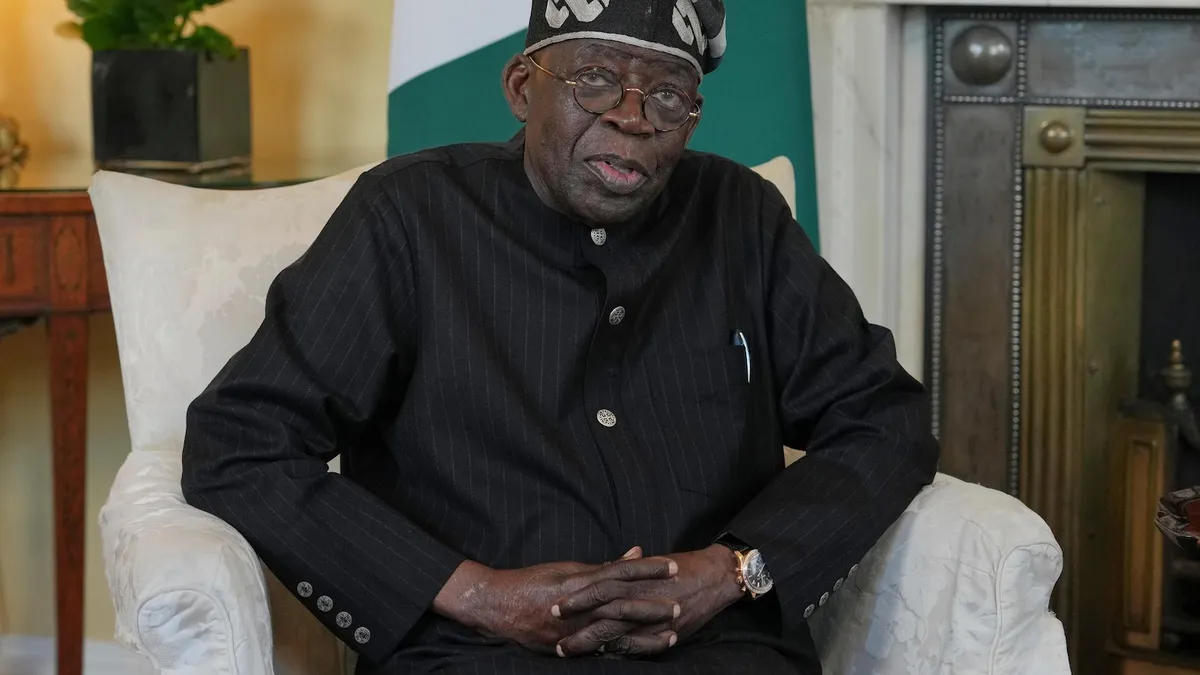
Six individuals accused of plotting to overthrow Nigerian President Bola Tinubu have appeared in court to face charges of treason and terrorism, according to a report by ABC News.
The arraignment marks a significant development in what Nigerian authorities have characterized as a direct threat to the country's constitutional order. Treason charges in Nigeria carry some of the most severe penalties under the country's criminal code, including the possibility of the death sentence.
Details surrounding the alleged conspiracy, including the identities of all defendants and the specific nature of the plot, were reported by ABC News citing the court proceedings. The case draws attention to ongoing concerns about political stability in Africa's most populous nation.
Context and background
Nigeria has a lengthy history of military coups, having experienced multiple successful takeovers of government between independence in 1960 and the return to civilian rule in 1999. Since then, the country has maintained democratic governance, though it has faced persistent challenges including economic instability, security threats from armed groups in the northeast, and separatist pressures in various regions.
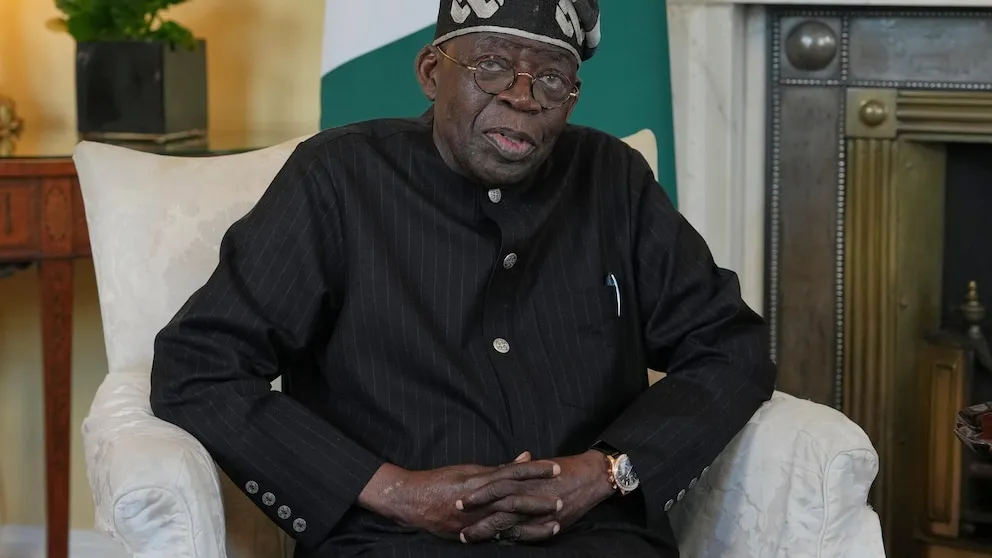
President Tinubu, who took office in May 2023, has presided over a period of significant economic turbulence. His administration moved to end a long-standing fuel subsidy and allowed the naira to float more freely against foreign currencies, policies that led to sharp increases in the cost of living for ordinary Nigerians. The reforms drew widespread protests and considerable public frustration in 2024.
The charges of terrorism, in addition to treason, suggest prosecutors may seek to frame the alleged conspiracy under Nigeria's anti-terrorism statutes, which provide a separate legal framework for prosecuting threats to state security.
Proceedings ongoing
The defendants were formally arraigned in court, meaning they appeared before a judge to hear the charges brought against them. The case is expected to proceed through Nigeria's federal court system.
Nigerian authorities have not publicly released comprehensive details about the alleged plot, including when it was said to have been planned or how it was uncovered. Such information may emerge as the legal proceedings continue.
The case is being closely watched both domestically and internationally as an indicator of the stability of Nigeria's civilian government and the robustness of its legal institutions in handling national security matters.