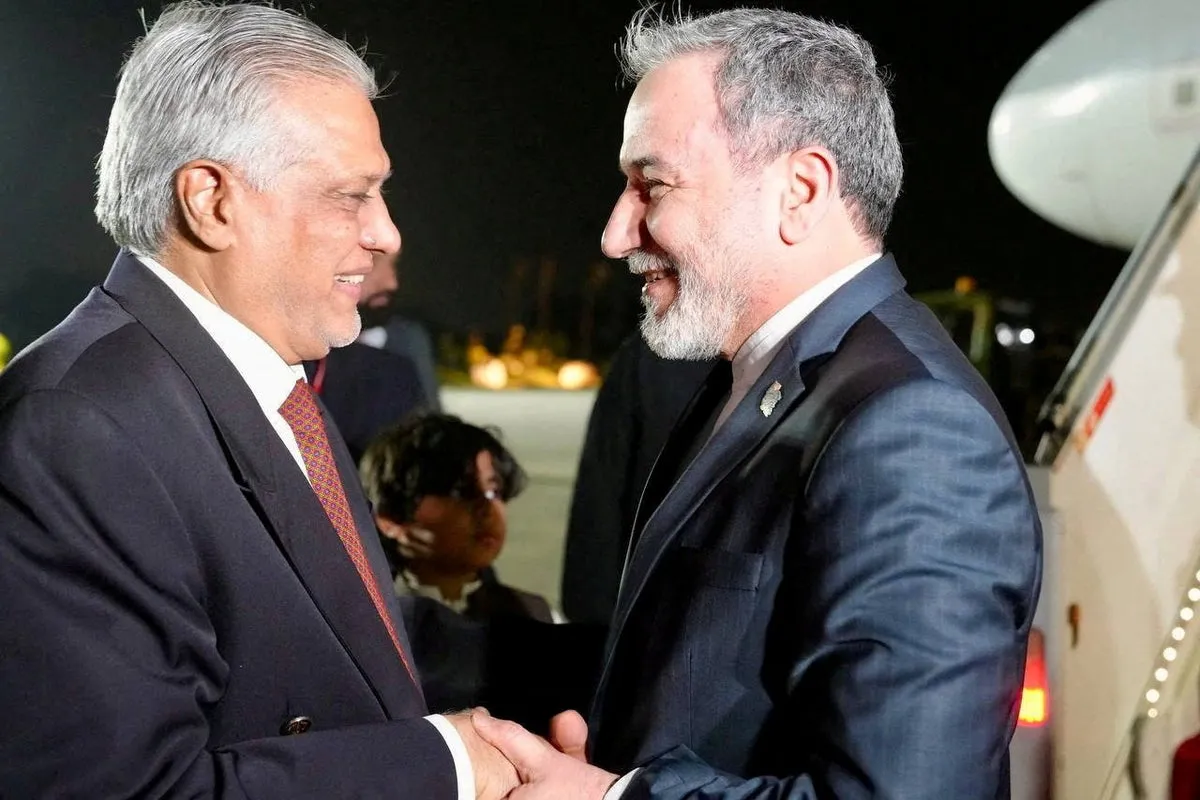
Iran's top diplomat has arrived in Pakistan ahead of a second round of nuclear negotiations with the United States, according to reporting by The Independent, even as questions persist about the format and direction of the talks.
Iranian Foreign Minister Abbas Araghchi traveled to Islamabad as the two sides prepare to continue discussions that began earlier this month. The talks represent the highest-level direct engagement between Washington and Tehran in years.

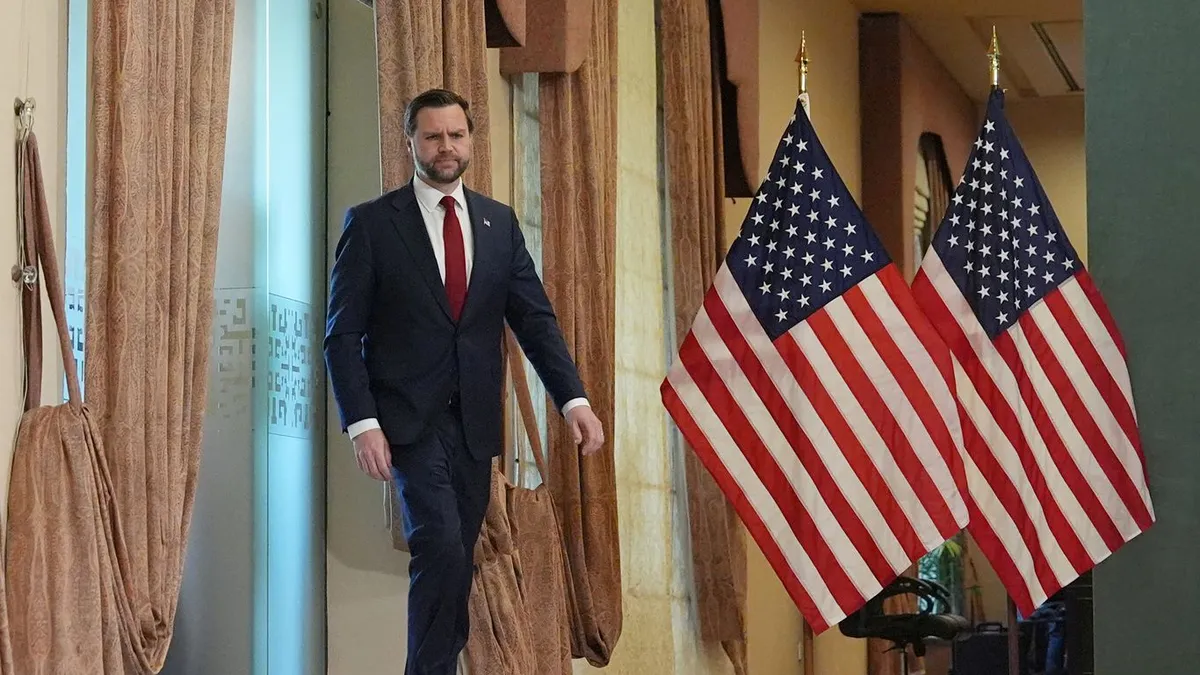
A notable absence from the negotiations is US Special Envoy Steve Witkoff's predecessor in this process, Vice President JD Vance, who led the first round of discussions. According to The Independent, Vance is not present at the second round but remains on standby, a development that has contributed to uncertainty surrounding the diplomatic effort.
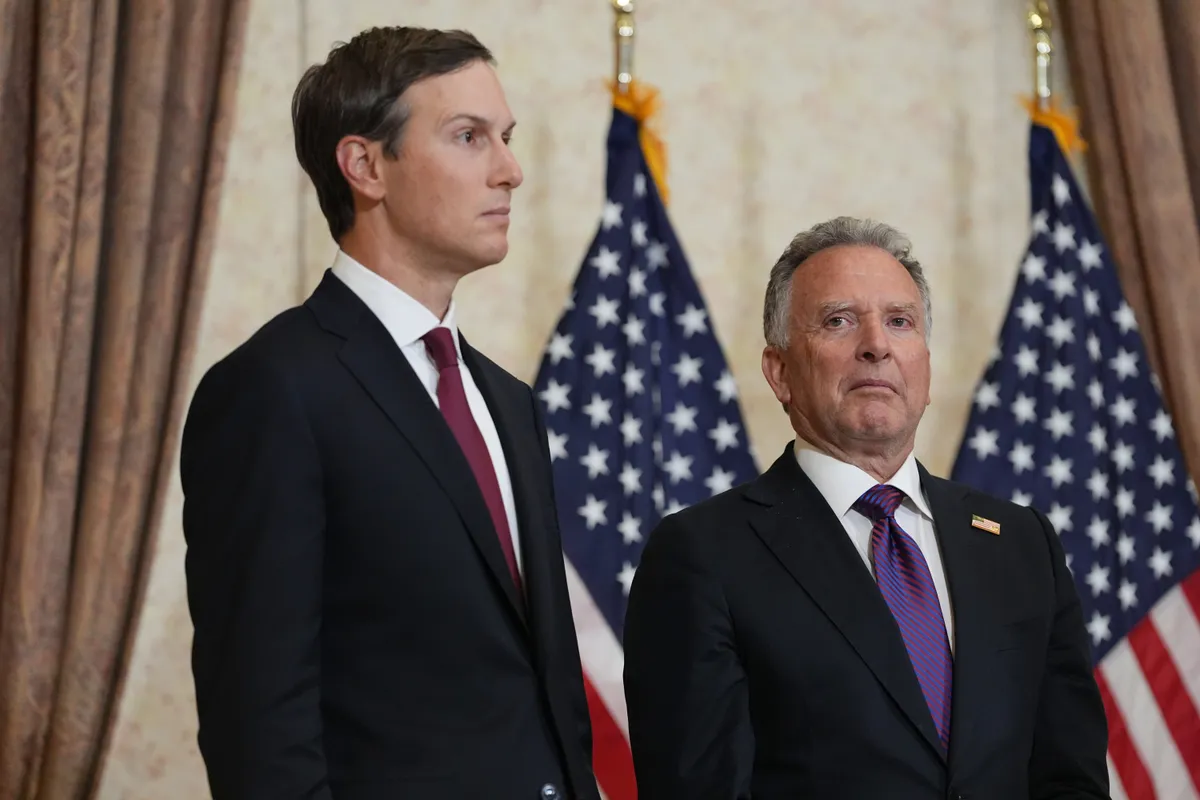
Jared Kushner, the former senior White House adviser and son-in-law of President Donald Trump, has also been linked to the diplomatic activity surrounding the talks, according to the report.
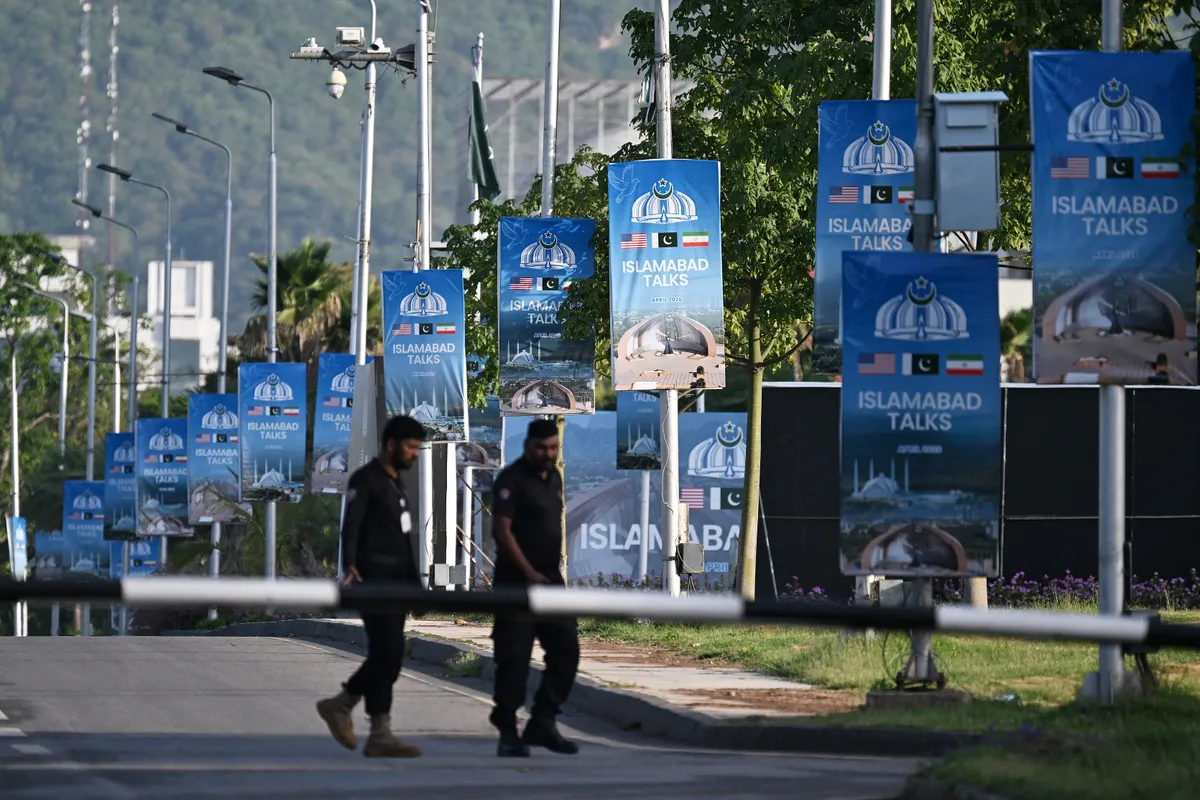
Pakistan's role as a venue for the negotiations adds a regional dimension to the process. Islamabad has historically maintained diplomatic channels with both Washington and Tehran, positioning it as a neutral ground for sensitive international discussions.
The core issue driving the negotiations remains Iran's nuclear program, which Western governments and Israel have long argued is aimed at developing weapons capability. Iran maintains its nuclear activities are for civilian energy and scientific purposes. The United States has sought to curtail Iran's uranium enrichment through a combination of economic sanctions and diplomatic pressure.
The first Trump administration withdrew from the 2015 Joint Comprehensive Plan of Action, known as the Iran nuclear deal, in 2018, reimposing sweeping sanctions on Tehran. Subsequent efforts under both the Trump and Biden administrations to restore or renegotiate that agreement have stalled repeatedly.
The current round of talks comes amid continued regional tensions, including the ongoing conflict in Gaza and heightened concerns about proxy forces aligned with Iran operating across the Middle East.
Details about the specific proposals under discussion, or whether any framework agreement is within reach, have not been publicly confirmed by either side. The two governments have historically taken different public stances on the scope and purpose of their diplomatic contacts, complicating assessments of progress.
Further developments are expected as the Islamabad meetings proceed, though no timeline for a potential agreement or subsequent rounds of talks has been disclosed.