
Across the United States, millions of square feet of flat commercial rooftop space sit largely unused atop big-box retailers and shopping malls. Energy experts say that space represents a significant and underutilized opportunity to generate clean electricity and reduce carbon emissions, according to a CNN report published in March 2022.
As the US works to reduce its dependence on fossil fuels, analysts have pointed to commercial rooftops as a ready-made platform for solar expansion. Unlike residential installations, large retail buildings offer expansive, unobstructed roof surfaces that could host solar arrays capable of generating substantial amounts of electricity.
The scale of the opportunity
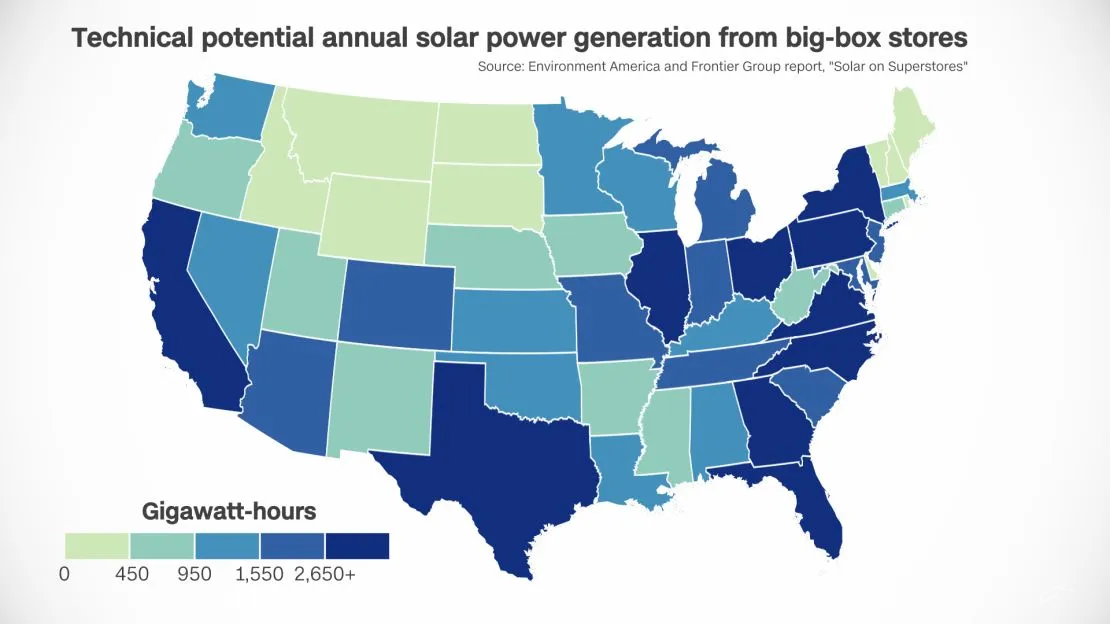
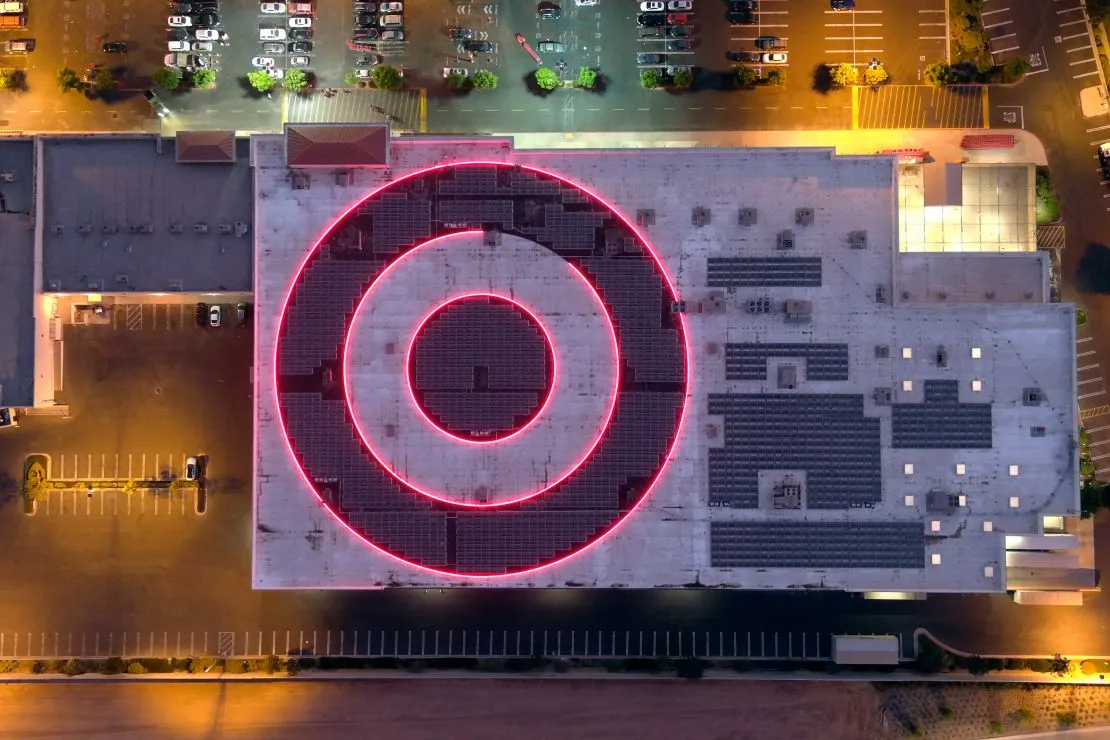
The sheer footprint of big-box retail in America makes the potential impact considerable. Retailers such as Walmart, Target, and Home Depot operate thousands of large-format stores nationwide, each with rooftops that could theoretically support solar installations. Experts cited in the CNN report suggest that widespread adoption across this sector could meaningfully contribute to national clean energy targets while also delivering long-term cost savings to retailers themselves.
Proponents argue that solar installations on commercial rooftops offer a dual benefit - reducing a retailer's operating costs by lowering electricity bills, while simultaneously cutting the carbon footprint associated with powering large, energy-intensive stores.
Barriers to adoption
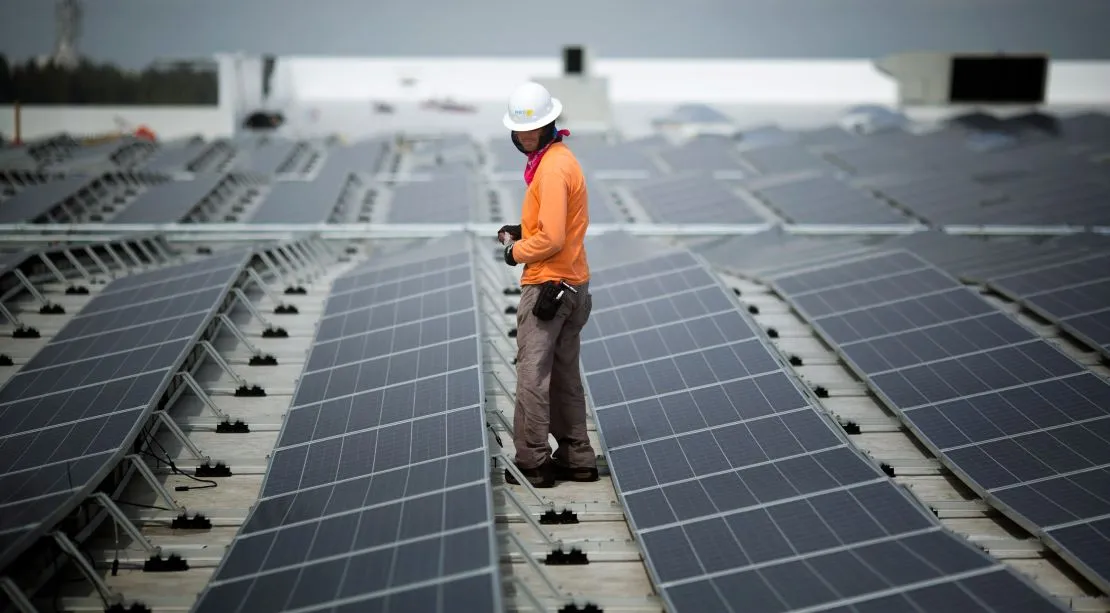
Despite the apparent advantages, uptake among major retailers has been uneven. Several factors help explain the hesitation. Upfront installation costs remain a significant hurdle for some companies, even as solar technology prices have fallen sharply over the past decade.
Lease arrangements present another complication. Many big-box retailers do not own the buildings they occupy, meaning landlords - not tenants - would need to approve and fund rooftop installations. This divide between who pays for the panels and who benefits from the electricity savings has slowed progress in a number of cases.
Regulatory environments also vary considerably by state, affecting the financial viability of solar projects depending on local utility rules and available incentives.
Some leaders, many laggards
A handful of major retailers have made notable commitments to rooftop solar. Walmart, for instance, has pursued solar installations at a portion of its locations, and IKEA has made solar a consistent element of its store design in the US. However, these examples remain the exception rather than the rule across the broader retail sector.
Energy analysts quoted in the CNN report suggest that stronger policy incentives, updated building codes, and clearer financial mechanisms for splitting costs and savings between landlords and tenants could help unlock wider adoption across commercial real estate.
With the US government setting ambitious clean energy targets, the conversation around commercial rooftop solar is gaining renewed attention as a practical, near-term tool for reducing emissions at scale.