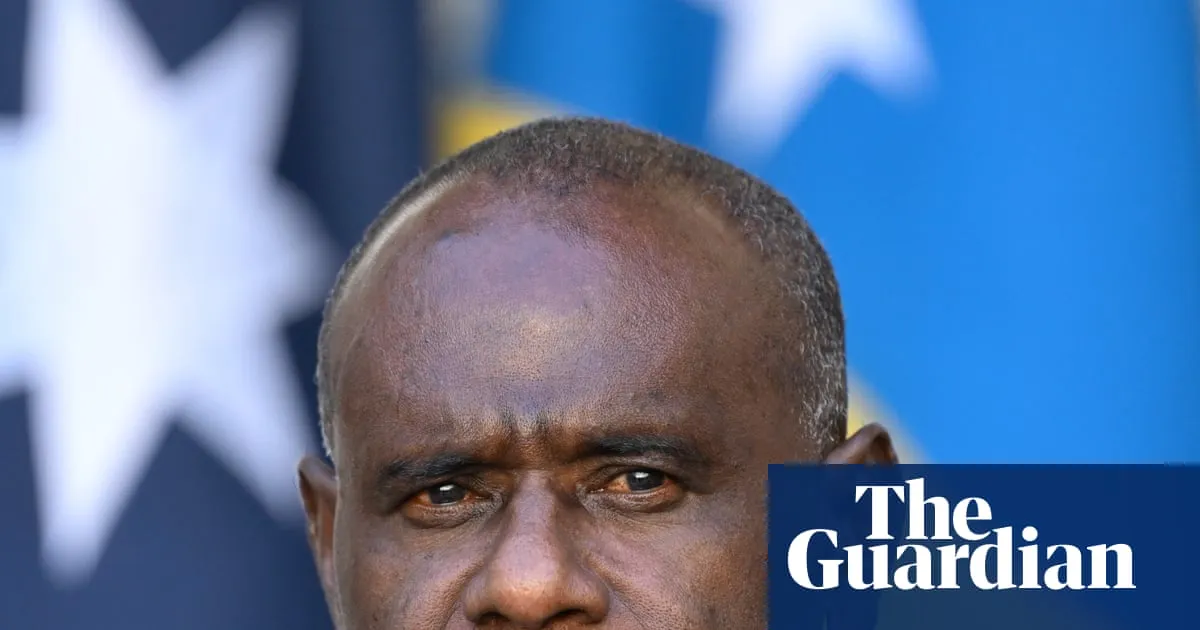
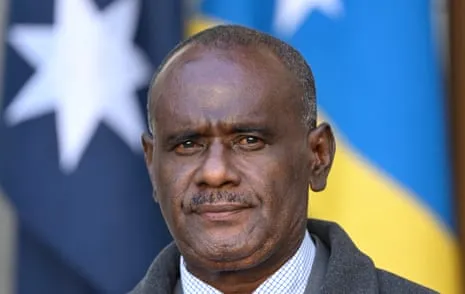
The Solomon Islands has a vacancy at the top. Prime Minister Jeremiah Manele was ousted in a parliamentary no-confidence vote, bringing an abrupt end to months of political turbulence in the South Pacific nation, according to The Guardian.
Parliament was subsequently adjourned to give the governor general room to organize the election of a new prime minister. So, business as usual in Pacific island politics then.
Why does this actually matter?
Here's where things get geopolitically spicy. The Solomon Islands is widely regarded as one of China's closest partners in the Pacific - a relationship that has had Western governments, particularly Australia and the United States, chewing their fingernails down to the bone for years.
The islands made international headlines back in 2022 when they signed a security agreement with Beijing, sending alarm bells ringing across Canberra and Washington. Any change in leadership naturally raises the question of whether that cozy relationship with China gets reshuffled along with the cabinet.
Months of political chaos finally boil over
The no-confidence vote didn't exactly come out of nowhere. The Guardian reports that the country had been grinding through months of political upheaval before parliament finally put Manele out of his misery. No-confidence votes are something of a Pacific political tradition - the region has seen more than its fair share of governments collapse mid-term.
The governor general now holds the keys to the next chapter, responsible for arranging the process to elect whoever gets to sit in the big chair next.
What comes next?
The big-ticket question, beyond the obvious "who gets the job," is whether a new leader reshapes the islands' foreign policy orientation. Any tilt away from Beijing - or deeper into it - will be watched very closely by regional powers.
Australia in particular has invested considerable diplomatic energy trying to maintain influence in a neighborhood it considers its own backyard. A leadership change in Honiara is exactly the kind of opening that competing powers tend to circle like very well-dressed sharks.
For now, the Solomon Islands hits the pause button while its political class figures out who gets the top job. Given the months of chaos that preceded this vote, a little pause might honestly be welcome.