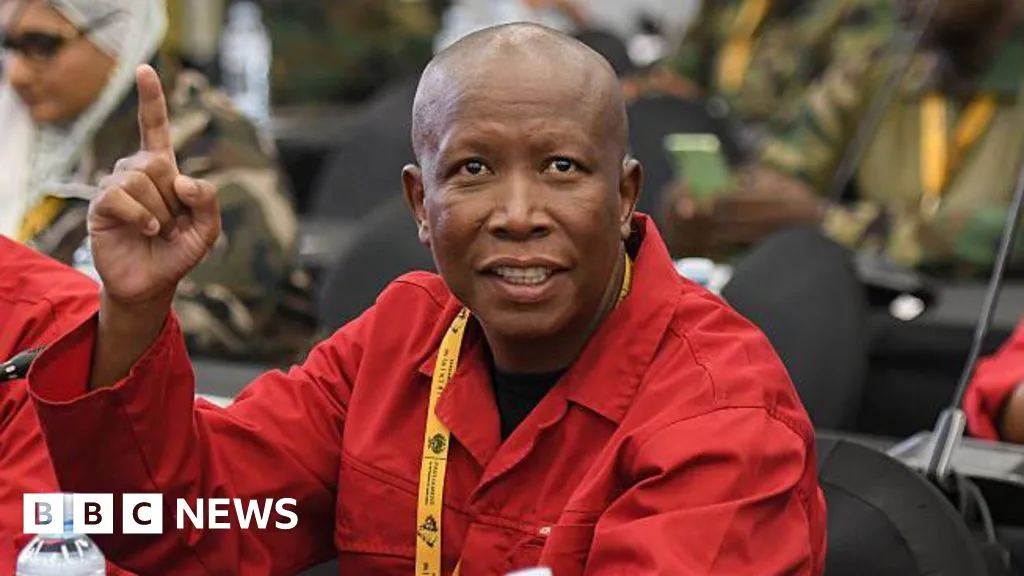
Julius Malema, one of South Africa's most polarising opposition figures, faces a deeply uncertain political future after receiving a five-year prison sentence, raising fundamental questions about the fate of the movement he built and leads.
Malema, the leader of the Economic Freedom Fighters (EFF), has long been a provocative force in South African politics, known for his fiery rhetoric, radical economic proposals, and confrontational style in parliament. His sentencing now places his continued participation in public life in serious jeopardy, according to reporting by the BBC.
What the sentence means politically
Under South African law, a conviction carrying a sentence of 12 months or more without the option of a fine can disqualify a sitting member of parliament. A five-year term, if upheld, would therefore have significant consequences for Malema's ability to hold elected office.
The EFF, which Malema founded in 2013 after being expelled from the ruling African National Congress youth league, has positioned itself as a voice for South Africa's poor and landless. The party has drawn considerable support by pushing for land expropriation without compensation and the nationalisation of mines and banks.
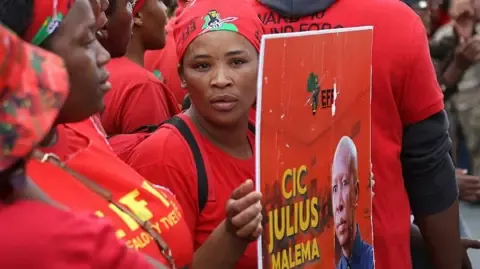
Malema's response and appeal prospects
Malema has indicated he intends to challenge the ruling, and the appeals process could extend his time outside prison for a considerable period. South African legal proceedings at the appellate level can take months or years to resolve, meaning his immediate political activity may not be curtailed in the short term.
However, the legal cloud hanging over him is expected to complicate the EFF's efforts to present itself as a credible governing alternative ahead of future elections.

A divided reaction
Reaction to the sentence has been sharply divided along political lines. Malema's supporters have framed the conviction as politically motivated persecution of a leader who challenges entrenched economic interests. Critics, meanwhile, have argued that no political figure is above the law and that accountability must apply regardless of ideology or popularity.
The case has also drawn attention to broader debates in South Africa about the rule of law, political accountability, and the health of its democratic institutions more than three decades after the end of apartheid.
Whether Malema can sustain his political relevance while fighting a serious criminal conviction remains one of the more consequential open questions in South African politics heading into the coming years, the BBC reported.