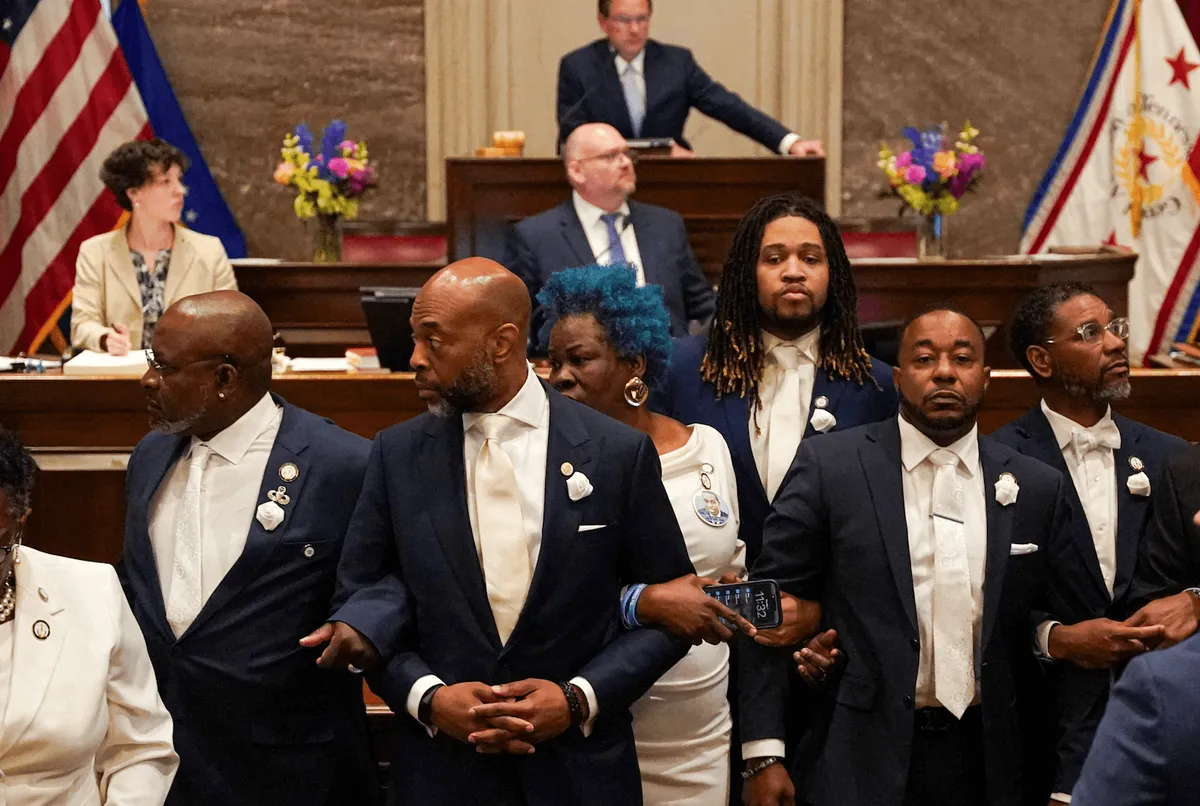
Tennessee has approved a new congressional map that breaks apart a majority-Black congressional district centered on Memphis, according to reporting by Al Jazeera. The move has drawn criticism from civil rights advocates who argue it diminishes the political representation of Black voters in the state.
The redistricting plan reconfigures the boundaries of the district, which had been one of the few majority-Black constituencies in Tennessee. Critics contend the new map effectively dilutes the collective voting power of Black residents by dispersing them across multiple districts.
Memphis, Tennessee's largest city, has a predominantly Black population and has historically served as the geographic anchor of the affected district. Redistricting decisions that alter the composition of such districts often face legal challenges under the Voting Rights Act, which prohibits electoral maps drawn with the intent or effect of suppressing minority voting influence.

Redistricting battles have become increasingly prominent across the United States following each decennial census, with state legislatures in both Republican- and Democratic-controlled states facing scrutiny over how district lines are drawn. Tennessee's state government is controlled by Republicans.

Supporters of redistricting efforts often argue that map changes reflect updated population data and are required under constitutional mandates for roughly equal district populations. Opponents, particularly in cases involving minority communities, argue that such changes can be designed to fragment politically cohesive communities and weaken their electoral voice.
The approval of the new map is likely to invite legal scrutiny. Challenges to similar redistricting efforts in other states have reached the U.S. Supreme Court in recent years, which has issued rulings both supporting and limiting the scope of the Voting Rights Act's protections for minority voters.
Tennessee's decision adds to a broader national pattern of contested redistricting in states with significant minority populations, a trend that civil rights organizations say warrants close monitoring ahead of upcoming federal elections.