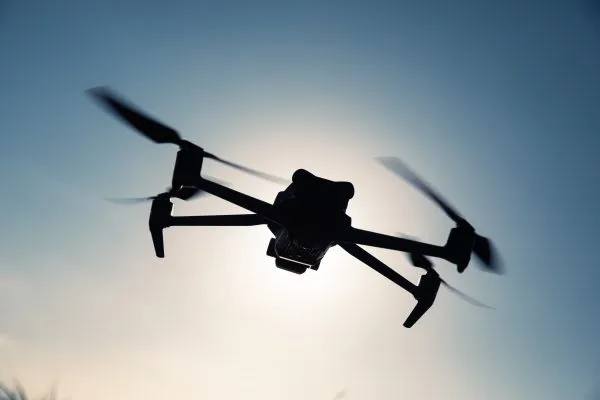
Countries across Southeast Asia are accelerating efforts to counter the rising threat posed by drones, but defense analysts argue that piecemeal national responses are insufficient and that a coordinated, multilayered defense network is urgently required, according to reporting by The Diplomat.
The proliferation of unmanned aerial vehicles - both commercial and military-grade - has created new security vulnerabilities for governments in the region. Drones have increasingly been used for surveillance, smuggling, and potential armed operations, forcing militaries and law enforcement agencies to reassess their defensive capabilities.
A fragmented response
Several Southeast Asian states have begun investing in counter-drone technology, including signal jammers, radar detection systems, and kinetic interception tools. However, the pace and scale of these investments vary significantly between nations, creating gaps that analysts say could be exploited.
The Diplomat's analysis suggests that while individual countries are making progress, the lack of regional coordination leaves borders and shared waterways particularly exposed. Drone threats do not respect national boundaries, making bilateral or multilateral frameworks essential for effective deterrence.
The case for a multilayered defense
Defense experts cited in the report advocate for a layered approach that combines electronic countermeasures, physical interception, and intelligence-sharing protocols. Such a system would ideally integrate detection at long range, allow for identification and tracking through mid-range systems, and deploy close-in neutralization capabilities as a final line of defense.
Regional bodies such as ASEAN have yet to establish binding frameworks specifically addressing drone threats, though discussions on broader cybersecurity and non-traditional security challenges have taken place in recent years.
Broader strategic context
The push for counter-drone capabilities in Southeast Asia mirrors a global trend. Conflicts in Ukraine and the Middle East have demonstrated the significant impact low-cost drones can have on the battlefield, prompting militaries worldwide to reassess vulnerabilities.
In Southeast Asia, the concern extends beyond conventional military threats. Drones have been used by non-state actors and criminal networks for cross-border drug trafficking and unauthorized surveillance of critical infrastructure, adding a law enforcement dimension to what was previously viewed primarily as a military challenge.
Analysts note that smaller nations in the region face budgetary constraints that make comprehensive unilateral counter-drone programs difficult to sustain. Regional burden-sharing and joint procurement arrangements are among the solutions being discussed, though no formal agreements have been publicly announced.
As drone technology continues to advance and become more accessible, pressure is likely to grow on regional governments and institutions to move beyond individual national efforts toward a more unified defensive posture.