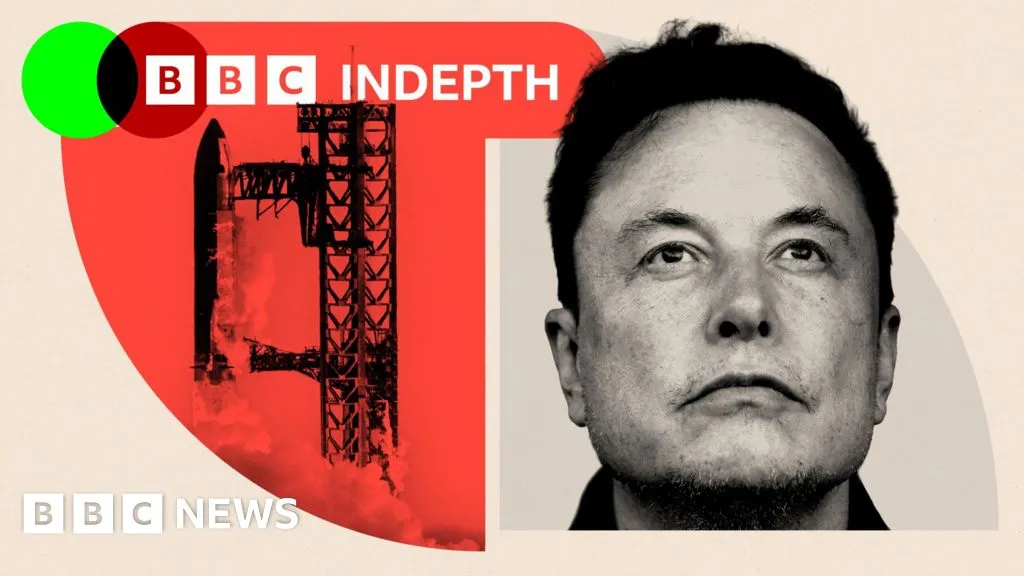
Strap in, investors. SpaceX - the company that turned "let's land a rocket backwards" from a punchline into a Tuesday afternoon routine - is reportedly preparing for a stock market debut that could reshape not just Elon Musk's already-incomprehensible fortune, but potentially the entire market landscape, according to a BBC report.
So what's actually happening?
SpaceX, currently one of the most valuable private companies on the planet, has long been the golden goose Musk kept firmly off the public markets. While Tesla got the full Wall Street treatment years ago, SpaceX remained privately held - a deliberate choice that gave Musk enormous control over the company's direction without the pesky inconvenience of quarterly earnings calls and angry shareholders demanding to know why they're funding Mars colonies instead of dividends.

Now, that appears to be changing. A potential IPO would transform SpaceX into a publicly traded entity, opening up ownership to retail investors, institutional funds, and presumably anyone who has ever watched a Starship launch and thought "I want a piece of that."
Why this is kind of a huge deal
SpaceX isn't just a rocket company anymore. It operates Starlink, the satellite internet service that has quietly become a geopolitical wildcard, providing connectivity in conflict zones and remote regions worldwide. Bundling that revenue stream into a public offering makes the valuation conversation genuinely staggering.
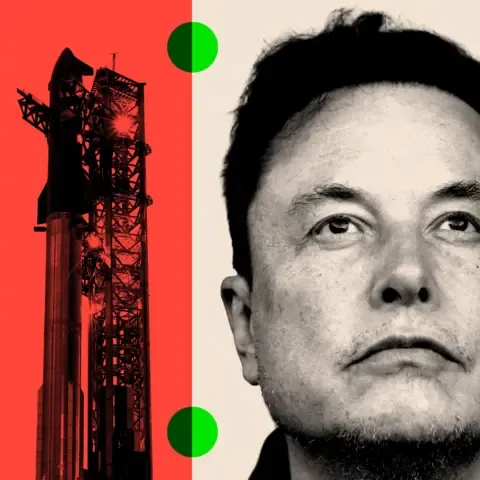
For Musk personally, an IPO could dramatically amplify his already eye-watering net worth - though given his current ownership stakes across Tesla, X, xAI, and Neuralink, it's unclear what he'd actually do with more money besides, presumably, build more rockets.
The gamble part
Here's where it gets interesting. Going public means scrutiny - real, sustained, quarterly scrutiny. SpaceX operates on ambition and timeline optimism that would make any CFO sweat. Rockets explode during testing. Mars timelines get pushed. Contracts are won and lost. Public markets are notoriously impatient with exactly the kind of long-horizon, blow-stuff-up-to-learn-faster engineering philosophy that has made SpaceX so successful in the first place.
There's also the Musk factor. His involvement with the Trump administration's DOGE cost-cutting initiative and his broader political activities have made him a polarizing figure, which historically creates volatility for companies bearing his fingerprints.
Bottom line
Whether this ends up being the most spectacular market debut since Google or a cautionary tale about mixing rocket science with quarterly earnings pressure remains to be seen. But one thing is certain: when SpaceX eventually rings that opening bell, people will be watching - from Earth, and possibly low orbit.