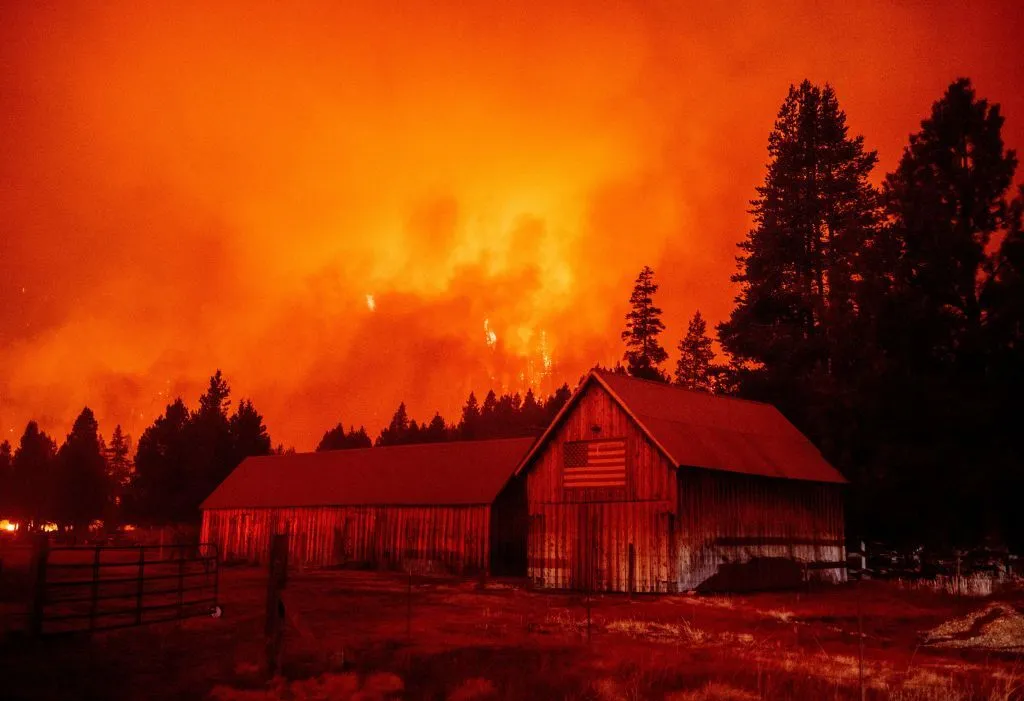
States across the United States say federal disaster funding has slowed significantly since the Trump administration took office, leaving communities waiting on billions of dollars intended to protect them from natural disasters, according to a report by NPR.
Officials say disbursements from the Federal Emergency Management Agency have dropped to a trickle, creating bottlenecks for projects aimed at reducing the impact of wildfires, hurricanes and flooding.
Projects left in limbo
The funding delays are affecting a range of mitigation efforts, including construction and reinforcement projects that state and local governments had planned or already begun. These initiatives are typically funded through FEMA grant programs designed to reduce the long-term costs and casualties associated with recurring natural disasters.
State officials say they are struggling to move forward without clarity on when - or whether - the funds will arrive. Some projects have been paused entirely while governments wait for federal reimbursement or grant approval.
Scope of the slowdown
NPR's reporting indicates the holdup extends across multiple states and covers a broad range of disaster types. Wildfire-prone communities in the West and hurricane-vulnerable areas along the Gulf and Atlantic coasts are among those affected.
The delays come at a time when the U.S. has faced an active period of natural disasters. Federal disaster mitigation funding has historically been used to harden infrastructure, create firebreaks, elevate flood-prone structures and improve early warning systems.
Administration's position
The source material does not detail a formal response from the Trump administration explaining the slowdown. FEMA's funding processes involve multiple steps, including project review and obligation of funds, and administration officials have previously indicated interest in restructuring how disaster aid is distributed.
Broader context
The reported slowdown fits into a wider pattern of federal funding uncertainty that has emerged across multiple agencies since the start of the current administration. Grant recipients in various sectors have described delays, reviews and freezes affecting previously committed federal dollars.
For disaster-prone communities, the stakes are particularly high. Mitigation funding is generally considered more cost-effective than post-disaster relief spending, and delays can leave infrastructure vulnerable heading into seasonal windows when hurricanes and wildfires are most likely to occur.
NPR's report did not specify the total dollar value of funds currently delayed, though states described the backlog as reaching into the billions.