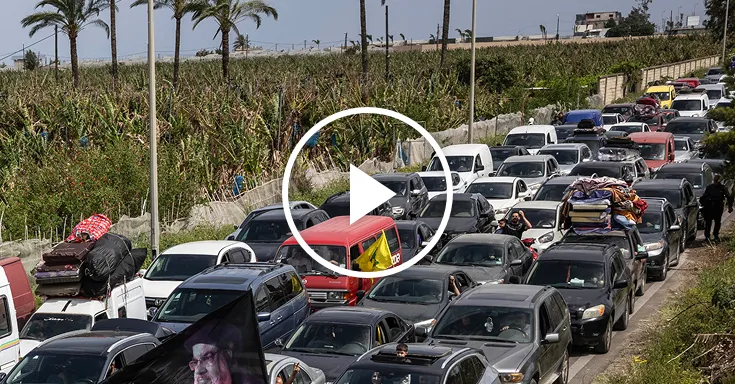
As Lebanese authorities work to extend a fragile ceasefire, many civilians across the country remain in a state of deep uncertainty, unsure whether the pause in fighting will hold or whether they will be able to return to their homes.
Among those responding to the humanitarian fallout is Lebanon's Christian community, which has taken an active role in supporting people displaced by the conflict, according to reporting by Serge Berberi and Renee Davis for France 24.
Aid amid grief
Christian groups and organizations have been providing assistance to displaced families, offering shelter, food, and other forms of support. However, this effort comes alongside the community's own sense of grief and disappointment, as the conflict has left few corners of Lebanon untouched.
The Christian community, one of Lebanon's many religious and ethnic groups, has historically played a central role in the country's social and political fabric. That history makes its current situation - simultaneously extending solidarity to others while processing its own losses - particularly complex.
Ceasefire fragility
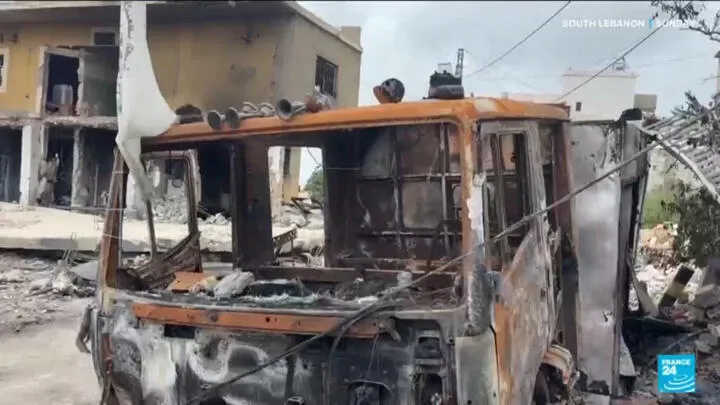
Lebanese authorities have been engaged in efforts to extend the ceasefire, though the situation on the ground remains volatile. Displaced residents have not universally been able to return home, and many continue to rely on informal and community-based support networks rather than state infrastructure.
The uncertainty is compounding an already severe humanitarian situation. Lebanon entered the latest period of conflict already weakened by years of economic collapse, political paralysis, and the lasting damage of the 2020 Beirut port explosion.

Reports from the ground, as described by France 24, suggest that ordinary Lebanese citizens - across religious lines - are bearing much of the burden of the response, filling gaps left by an overstretched and underfunded government.
A country waiting
For many families, life remains suspended. The ceasefire has halted active fighting in many areas, but it has not yet translated into stability or a clear path forward for those who have lost homes, livelihoods, or family members.
The role being played by Lebanon's Christian institutions and individuals in this period reflects both the country's tradition of community-based resilience and the scale of suffering that the conflict has generated across Lebanese society.
France 24's coverage highlights the human dimension of a ceasefire that, while welcomed, has yet to deliver lasting security or answers for a population that has endured years of compounding crises.