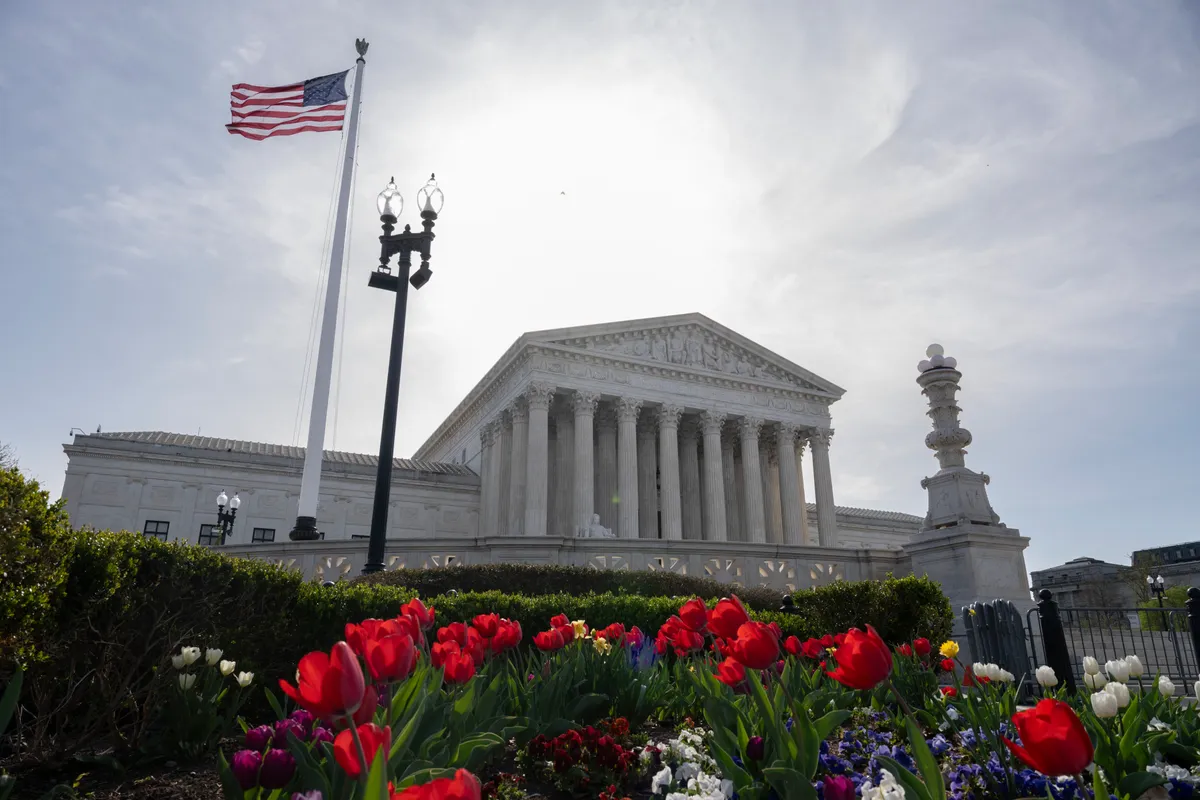
In a move that surprised roughly no one who has been following the current Supreme Court's track record, the nine justices appeared ready during oral arguments to side with the Trump administration on ending Temporary Protected Status (TPS) for Haitian and Syrian migrants currently living in the United States, according to NPR.
What is TPS, and why does it matter?
Temporary Protected Status is a humanitarian designation that allows people from countries experiencing ongoing armed conflict, environmental disasters, or other extraordinary conditions to live and work legally in the United States without fear of deportation. It is, as the name suggests, supposed to be temporary - but in practice, it has been repeatedly renewed for decades for nationals of certain countries.
For Haitians, TPS has been a lifeline following the catastrophic 2010 earthquake and subsequent waves of political instability. For Syrians, it reflects the brutal civil war that has displaced millions since 2011. Ending the protections would put hundreds of thousands of people at risk of deportation to countries that remain deeply unstable.
The court's apparent mood
During arguments, the justices appeared broadly sympathetic to the administration's position that the executive branch holds wide discretionary authority to terminate TPS designations. The conservative supermajority on the court has consistently favored broad executive power in immigration matters - at least when that executive is pursuing restrictionist policies.
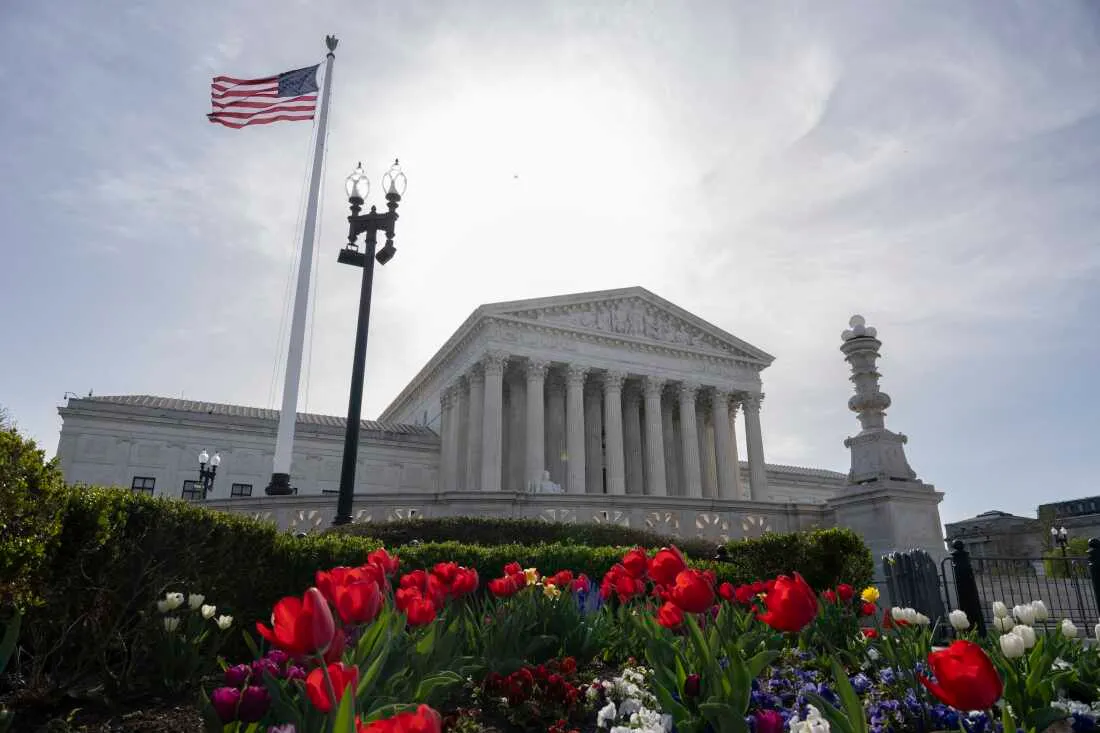
The case represents one of the most consequential immigration rulings the court could hand down this term, with the practical stakes being enormous for affected communities across the country.
What happens next?
A formal ruling is expected before the court's term ends in late June. If the justices rule in the administration's favor, it would green-light the end of TPS for these groups, setting off a complex and potentially chaotic process of enforcement that immigration lawyers and advocacy groups are already scrambling to prepare for.
Critics argue that sending people back to Haiti - currently gripped by gang violence so severe that the government has lost control of large swaths of the capital - or to a Syria still recovering from years of war, amounts to a policy of deliberate cruelty dressed up in legal language.
Supporters of the administration's position counter that TPS was never meant to be a permanent residency program through the back door, and that Congress, not the courts, should fix any perceived gaps in immigration law.
Either way, the clock is ticking for hundreds of thousands of people whose entire lives in the United States now hinge on what nine people in robes decide to write in a legal opinion.