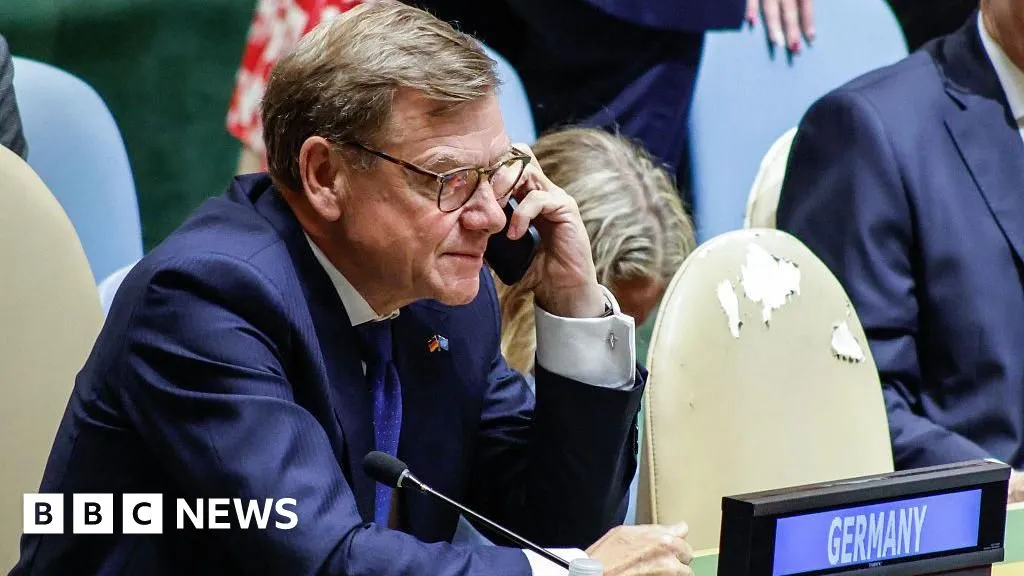
Germany has suffered what its own foreign minister called a "bitter defeat" in its bid for a non-permanent seat on the UN Security Council, and Berlin is not being subtle about who it thinks sabotaged the campaign. Spoiler: it rhymes with "Fussia."
German Foreign Minister Johann Wadephul stated plainly that it was "no secret" Russia had been actively stirring up sentiment against Germany among UN member states, according to reporting by the BBC. The reason? Berlin's steadfast support for Ukraine since the full-scale invasion in 2022. Apparently, backing a country that is being invaded comes with geopolitical consequences. Who knew.
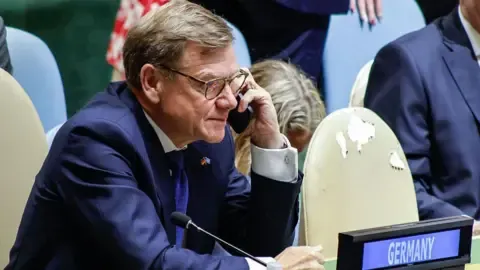
How this embarrassment unfolded
Non-permanent seats on the UN Security Council are decided by a vote among the 193 UN General Assembly member states. Germany and Slovenia were competing for a single Eastern European group seat, and Slovenia - yes, the country that many people still confuse with Slovakia - walked away with the win.
For a country with Germany's economic clout, diplomatic weight, and general reputation for thoroughness, losing this kind of vote carries real symbolic sting. Wadephul confirmed the defeat publicly and did not hold back in attributing at least part of the blame to Russian influence operations among Global South and developing nations, many of whom Germany has been courting for years.

The bigger picture, aka the part that actually matters
This loss is not just a bruised ego situation. A Security Council seat gives a country a direct platform on the world's most powerful multilateral security body - the ability to shape resolutions, call emergency meetings, and generally have a loud voice in global crises. Germany missing out means one less pro-Ukraine, Western-aligned voice at that table.
Russia, for its part, holds a permanent seat on the Council and the veto power that comes with it - meaning it can already block most things it dislikes. But influencing who else sits at the table? That is a softer but still effective tool of geopolitical maneuvering.

Germany has not abandoned its Ukraine support posture, and Wadephul gave no indication this loss would change that calculus. But it does serve as a pretty sharp reminder that the diplomatic fallout from the war in Ukraine extends well beyond the battlefield - into conference halls, backroom negotiations, and apparently, UN ballot boxes.
The BBC has the full reporting on Wadephul's comments and the context of the vote.