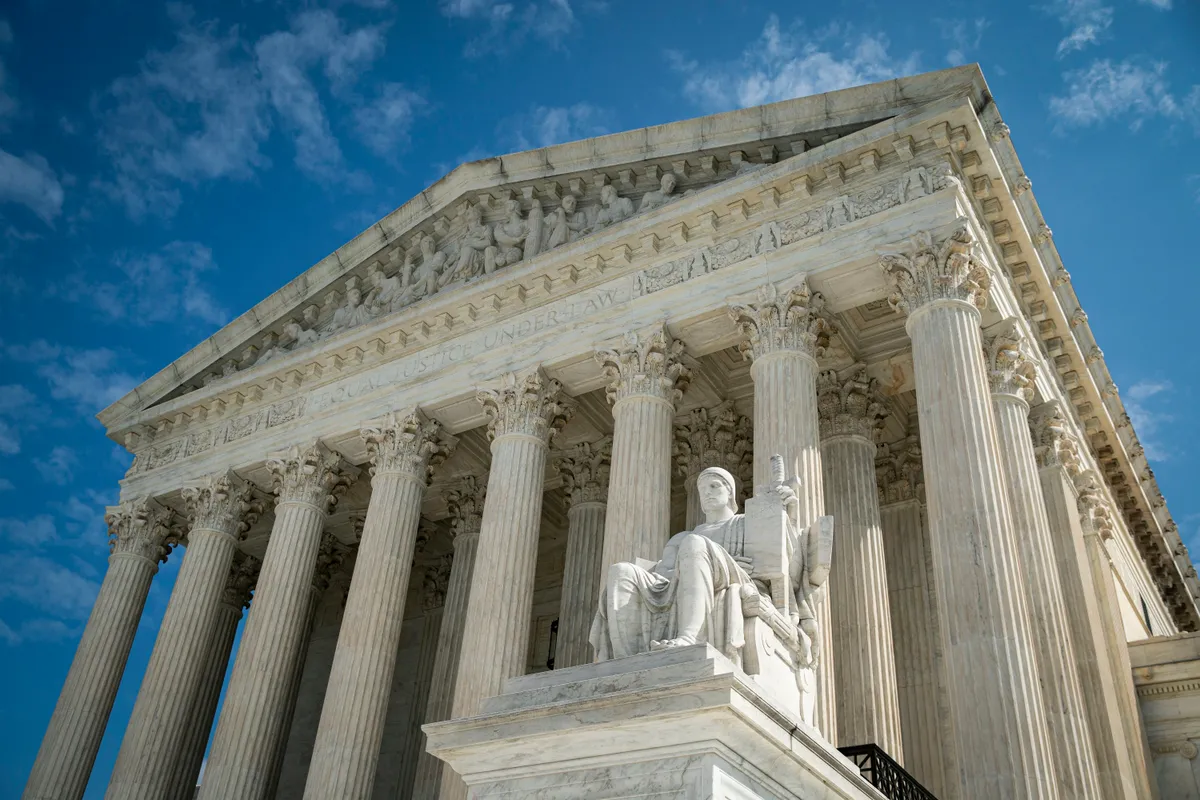
The U.S. Supreme Court has driven a legal stake through what gun rights advocates gleefully dubbed "vampire rules" - laws that require citizens to obtain government permission before they can exercise their Second Amendment rights. The 6-3 ruling, split cleanly along ideological lines, struck down Hawaii's firearm permitting scheme and sent a clear message: you cannot make Americans beg first and shoot later, according to reporting by NPR.
What the court actually decided
The majority held that requiring advance government approval before a person can possess or carry a firearm places an undue burden on a constitutional right. Think of it like requiring someone to file paperwork with the government before they're allowed to say something controversial - the pre-clearance requirement itself is the problem, regardless of how often it gets approved.
The "vampire rules" nickname comes from the idea that the right to bear arms, like a vampire crossing a threshold, cannot enter your life until the government explicitly invites it in. The court's conservative majority found that framing historically and constitutionally indefensible.
The dissent wasn't having it
The court's three liberal justices dissented, arguing - as they have in a string of recent gun cases - that the majority is reading history selectively and dismantling the tools states use to keep deadly weapons out of dangerous hands. Hawaii had argued its permitting system was a reasonable public safety measure, not a rights-crushing bureaucratic gauntlet.
Why this matters beyond Hawaii
Hawaii is one of several states with so-called "may-issue" or pre-approval permitting structures. This ruling has serious implications for similar laws elsewhere. If states cannot require citizens to demonstrate eligibility before acquiring a firearm - only punish illegal possession after the fact - entire regulatory frameworks across blue states may need to be rethought or dismantled.
This decision follows the court's landmark 2022 ruling in New York State Rifle and Pistol Association v. Bruen, which already gutted "may-issue" concealed carry permit laws. The court appears to be systematically rebuilding Second Amendment jurisprudence from scratch, one permit law at a time.
The bottom line
Whether you see this as a freedom win or a public safety nightmare depends entirely on which amendment you had for breakfast. What's certain is that the Supreme Court's conservative supermajority is not finished reshaping American gun law - and states that built their safety regimes around pre-approval systems are now scrambling to figure out what, legally speaking, they have left.
Source: NPR