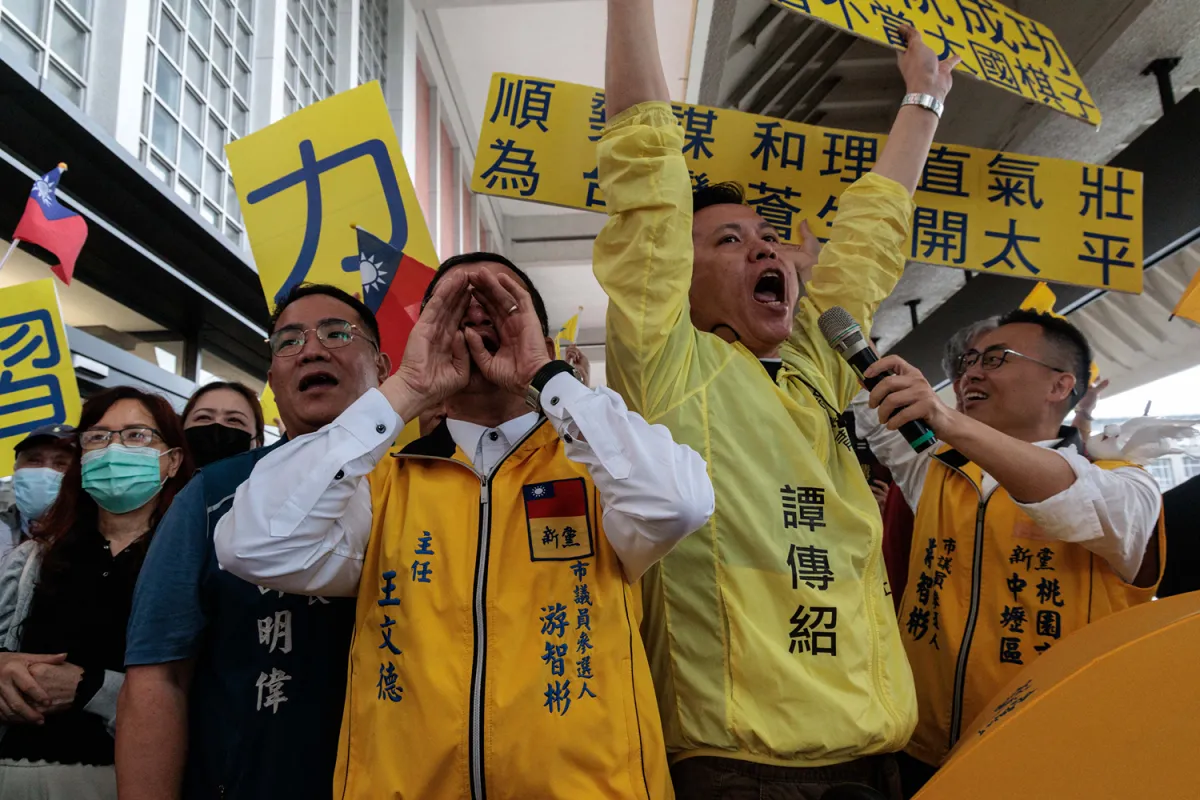
Hold your apocalypse bingo cards, folks. According to a report from Foreign Policy, China's leadership - including President Xi Jinping himself - views a potential military conflict over Taiwan not as some glorious reunification moment to be seized, but as a genuine tragedy to be avoided.
The piece, published by Foreign Policy on April 8, 2026, draws on accounts of a meeting involving Xi Jinping and prominent China scholar Cheng Li, and suggests that Beijing's internal posture toward the Taiwan question is considerably more cautious than the chest-thumping military parades and pointed rhetoric would have you believe.
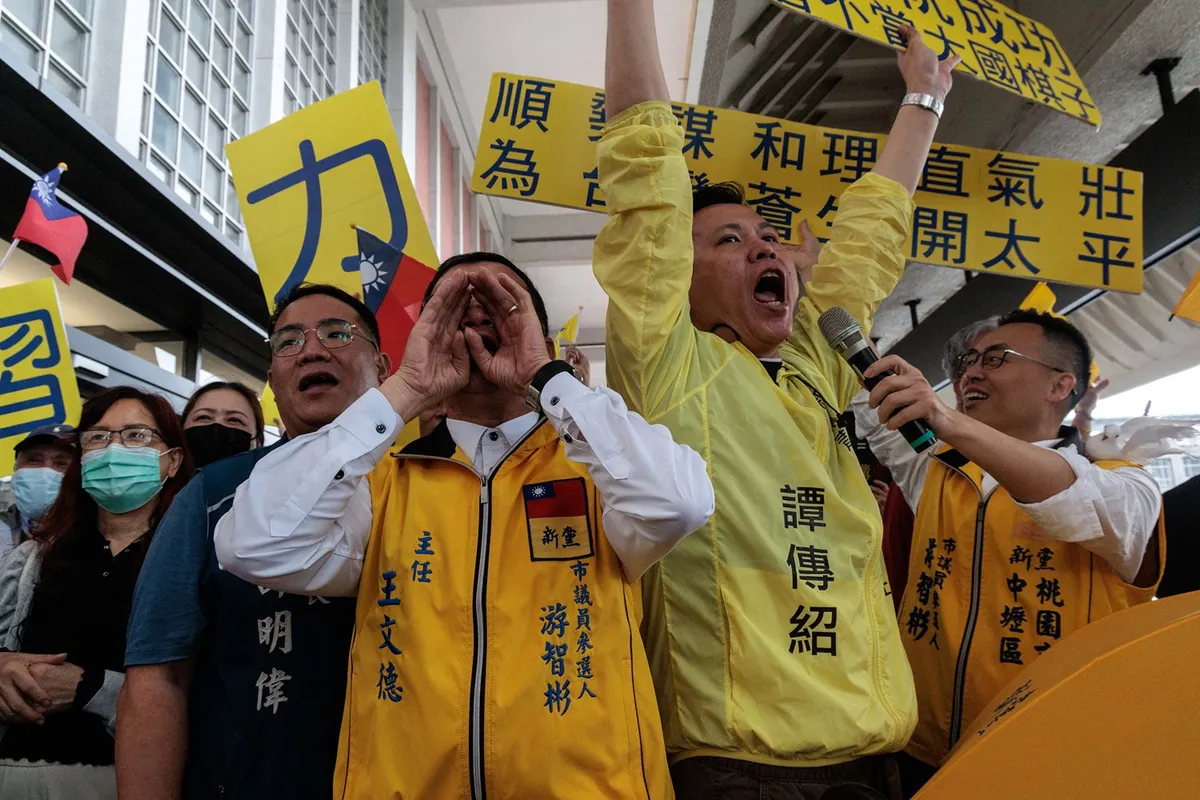
War is bad, actually - even for the side with more missiles
The core takeaway here is deceptively simple: China sees conflict over Taiwan as a potential catastrophe, not a opportunity. While Western analysts and Taiwanese officials have spent years war-gaming Chinese invasion scenarios, Foreign Policy's reporting suggests the people at the top of Beijing's decision-making chain understand exactly how much they have to lose.
Think about it for a second. China's economic trajectory, its global trade relationships, its carefully constructed image as a responsible superpower - all of that evaporates the moment the first missile crosses the Taiwan Strait. That's before we even get to the part where the United States, Japan, and assorted friends show up with aircraft carriers.

So why all the aggressive posturing?
Great question, hypothetical reader. The short answer is that signaling strength and actually wanting to start a war are two very different things. Domestic audiences need to see a strong leader. Regional neighbors need to be reminded who's in charge. Military budgets need justification. None of that requires actually pulling the trigger.
The Foreign Policy report doesn't suggest Beijing has abandoned its claim to Taiwan or is about to send Taipei a fruit basket and an apology. The position remains that Taiwan is part of China and reunification is an eventual goal. What seems to be the case, however, is that the preferred method is patience, economic pressure, and political influence - not invasion.
Why this actually matters
In a news environment drowning in "China WILL invade Taiwan by [insert year]" headlines, reporting that complicates that narrative is genuinely valuable. It doesn't mean the threat is zero. It doesn't mean Taiwan should relax. But understanding that Beijing weighs costs and consequences like any rational actor - rather than operating as an unstoppable aggression machine - is pretty important for figuring out how to actually keep the peace.
Nuance: apparently still a thing, even in geopolitics.