Sweden has announced the creation of a new intelligence agency, the latest step in a sweeping reassessment of its national security strategy driven by Russia's full-scale invasion of Ukraine, according to Euronews.
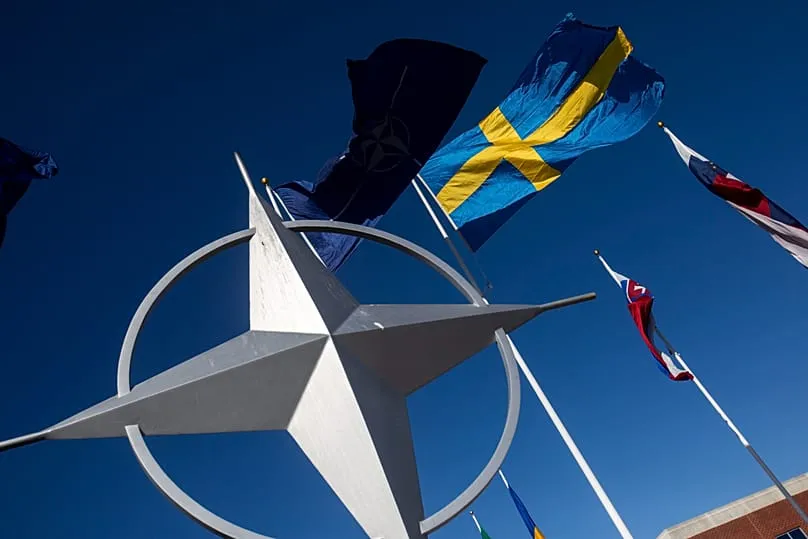
The move marks another significant departure for a country that maintained military non-alignment for roughly two centuries before abandoning that tradition and joining NATO in the wake of the war in Ukraine.
A broader security overhaul
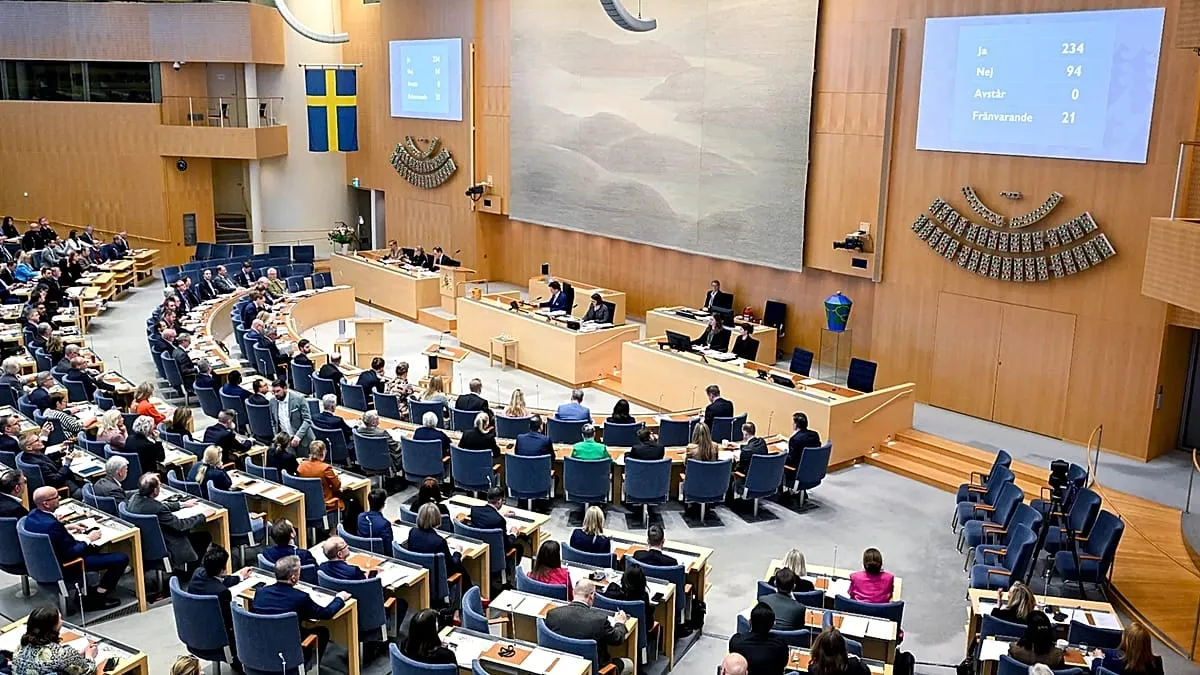
The new spy agency forms part of a wider effort by Stockholm to modernise and strengthen its intelligence and defence capabilities. Swedish officials have framed the restructuring as a necessary response to a fundamentally changed security environment in Europe, particularly along NATO's northern and eastern flanks.
Sweden's accession to NATO, finalised in March 2024, already represented the most dramatic shift in the country's foreign and defence policy in generations. The establishment of a dedicated intelligence body signals that Stockholm intends to deepen its integration into Western security structures beyond military alliance membership alone.
Context of Russia's war in Ukraine
Russia's February 2022 invasion of Ukraine triggered a wave of defence policy reassessments across northern Europe. Finland joined NATO in April 2023, and Sweden followed roughly a year later, ending a period of neutrality that had defined Scandinavian geopolitics since the Napoleonic era.
Both countries had previously maintained significant armed forces and cooperated informally with NATO, but stopped short of formal membership. The full-scale war in Ukraine changed the domestic political calculus in both nations, generating broad public and parliamentary support for joining the alliance.
Intelligence realignment
The creation of a new Swedish intelligence agency reflects growing recognition among European governments that conventional military capacity alone is insufficient in a security environment characterised by hybrid threats, cyberattacks, and disinformation campaigns - all methods that Western governments have attributed to Russian state actors in recent years.
Details about the precise mandate, structure, and budget of the new agency were not fully elaborated in the initial announcement, according to Euronews. Further specifics are expected as the proposal moves through Sweden's legislative process.
The announcement adds Sweden to a group of European nations that have moved to expand or restructure their intelligence services since 2022, reflecting a continent-wide effort to adapt to what many governments describe as a more dangerous and unpredictable security landscape.