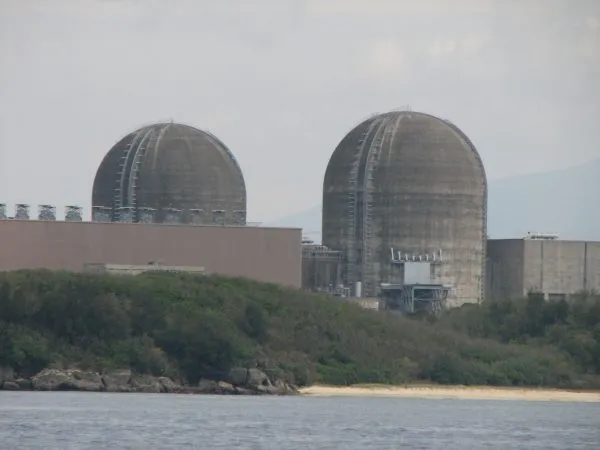
Taiwan's ruling Democratic Progressive Party (DPP) has reversed one of its most enduring policy positions, abandoning its opposition to nuclear energy as the island grapples with tightening energy supplies linked to the conflict involving Iran, according to reporting by The Diplomat.
The administration of President Lai Ching-te has scrapped the DPP's longstanding anti-nuclear platform, signaling a significant shift in how Taiwan's government is weighing energy security against the party's historical ideological commitments.
A policy reversal years in the making
The DPP has opposed nuclear power for decades, a position rooted in both environmental concerns and public anxiety following high-profile nuclear incidents globally. That stance had guided Taiwan's energy policy through multiple administrations, including efforts to phase out existing nuclear capacity.
The current move marks a sharp departure, driven in part by the economic and logistical pressures stemming from disruptions to global energy markets connected to the Iran conflict. Taiwan, which relies heavily on imported energy, has found itself increasingly exposed to supply volatility.
Energy security at the center of the debate
Taiwan's geographic isolation and dependence on energy imports have long made supply security a sensitive issue. The Iran-related disruptions appear to have accelerated deliberations within the Lai government about the long-term reliability of fossil fuel imports and the role domestic nuclear generation could play in reducing that exposure.
The policy shift reflects a broader reconsideration of nuclear energy taking place across several countries, as governments balance climate commitments, energy independence goals, and the economic shocks produced by geopolitical instability.
Political implications within Taiwan
The reversal carries significant political weight domestically. The DPP built part of its identity around its anti-nuclear stance, and abandoning that position risks friction within the party's base. However, the Lai administration appears to be calculating that energy security concerns now outweigh the political costs of reversing course.
Opposition parties and energy analysts in Taiwan are likely to scrutinize both the timeline for any nuclear restart or expansion and the regulatory frameworks that would govern such a shift.
The Diplomat, which reported the development, noted that the move represents a direct dismantling of a core DPP platform plank - underscoring how dramatically the energy calculus has shifted for Taiwan's leadership amid ongoing regional and global instability.