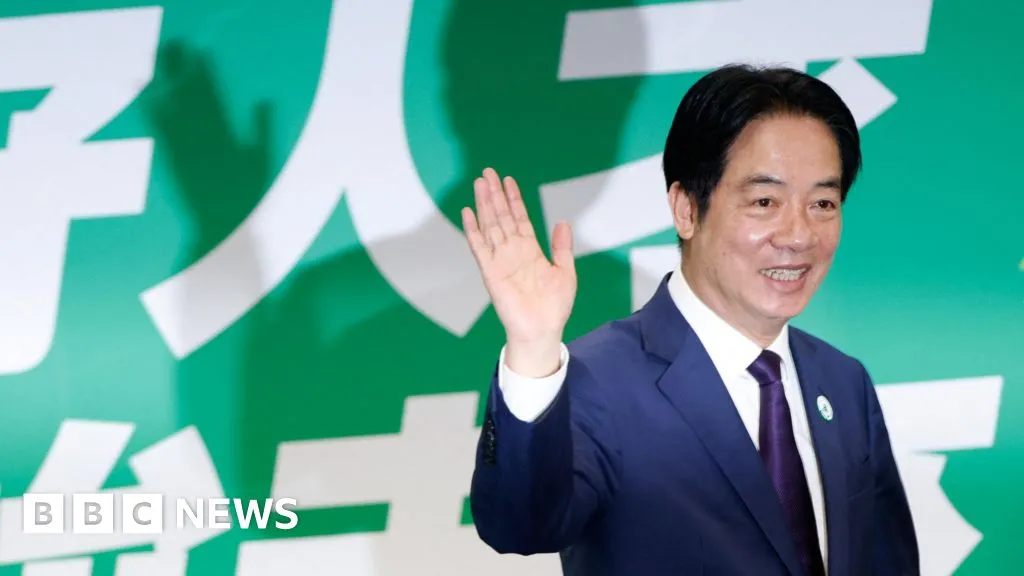
In what can only be described as the world's most awkward geopolitical love triangle, Taiwan has pushed back against Donald Trump after the US president - fresh from his cozy summit in Beijing - warned the island not to formally declare independence. According to BBC News, Taiwanese officials were quick to remind everyone that, from their perspective, they are already independent. Like, very much so. Have been for a while, actually.
What happened, exactly?
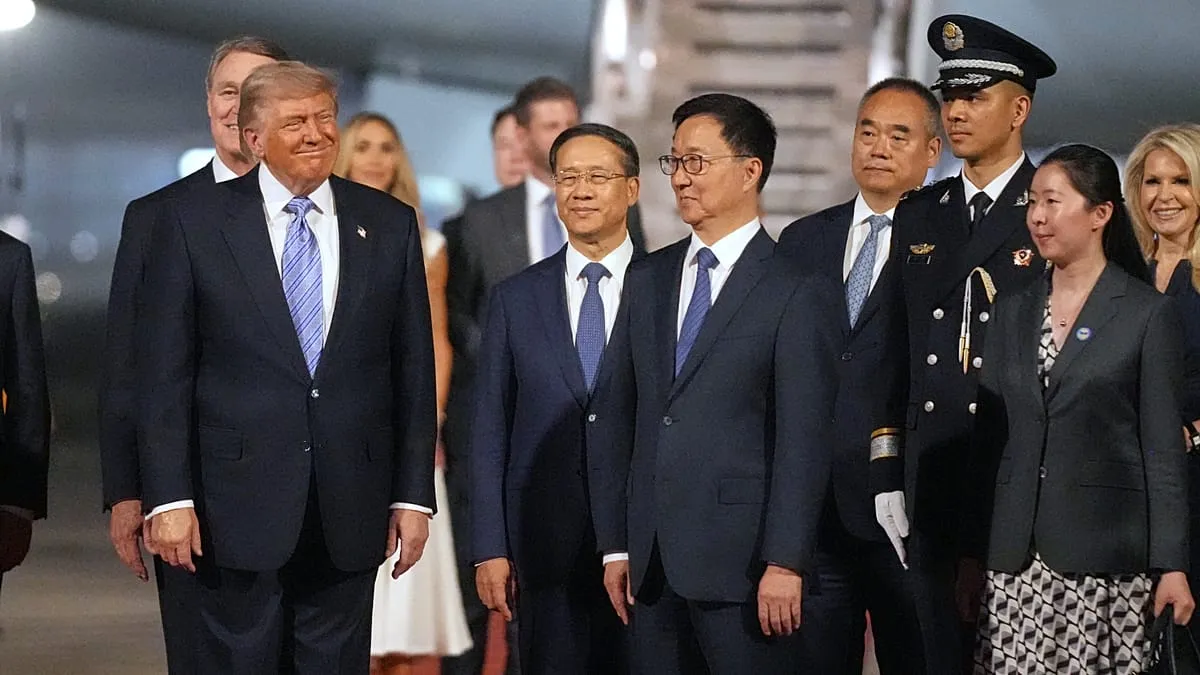
Trump, apparently in a diplomatic mood after his meetings with Chinese leadership in Beijing, issued a warning directed at Taiwan against making any formal declaration of independence. The statement landed in Taipei roughly the way a skunk lands at a garden party.

Taiwan's government responded by essentially pointing at itself and going: 'Sir, we have a president. We have elections. We have a military. We have bubble tea. What more do you want?'
Taiwanese officials stressed that the island operates as a self-governing democracy and that its status is not something that needs a grand theatrical announcement - it's simply the reality on the ground.

Why does the wording matter so much?
Here is where it gets nerdy and important. Taiwan has long operated under a kind of diplomatic quantum state - simultaneously independent in practice but officially ambiguous in international law. A formal declaration of independence would almost certainly trigger a furious response from Beijing, which considers Taiwan a breakaway province that must eventually be reunified with the mainland, by force if necessary.
The United States, under decades of what is called the 'One China Policy,' has officially acknowledged Beijing's position without formally endorsing it. It is the geopolitical equivalent of nodding along at a meeting without actually agreeing to anything - a skill most of us perfected in middle school.

So what does Trump's warning actually change?
Analysts and observers are watching closely to see whether Trump's post-Beijing commentary signals a shift in US posture toward Taiwan. Any perception that Washington is pulling back its implicit support for Taiwanese autonomy would send shockwaves through the region - and through semiconductor markets, given that Taiwan produces a staggering share of the world's advanced chips.
For now, Taiwan is holding its ground - metaphorically and literally. Officials have made clear they have no plans to rock the boat with a formal declaration, but they are equally not about to pretend they are a province of anywhere.
The situation remains, as it has for decades, extraordinarily delicate. One summit in Beijing does not rewrite seventy years of cross-strait tension. But it does, apparently, generate a lot of headlines.