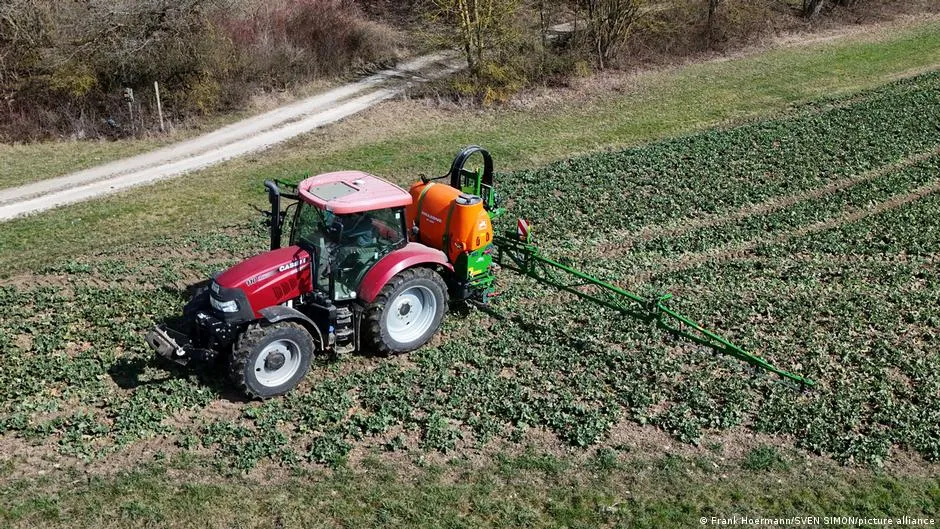
The European Union had a bold plan: cut pesticide use in half by 2030 as part of its Farm to Fork strategy. A noble goal, a catchy slogan, and apparently about as enforceable as a polite suggestion left on someone's windshield. According to a report by DW, the EU is seriously falling behind on that promise - and the reasons why are about as tangled as a grapevine left unsprayed for a season.
What happened to the binding targets?
The short answer: politics happened. The EU Commission's proposed regulation that would have made pesticide reduction targets legally binding was effectively shelved in 2024, after facing fierce opposition from farming lobbies and several member states. Without binding rules, individual countries are essentially left to do as they please - and many are choosing to please themselves quite generously with agrochemicals.
DW reports that pesticide use across the bloc has not shown the kind of meaningful decline that would put the EU anywhere close to its 2030 ambitions. The data suggests that in some member states, usage has barely budged at all.
Glyphosate: the gift that keeps on dividing
No pesticide conversation in Europe is complete without glyphosate - the world's most widely used herbicide and arguably the most controversial chemical in modern agriculture. Despite years of heated debate about its potential health and environmental risks, the EU renewed glyphosate's approval in 2023 for another 10 years. It remains on sale and widely used across the bloc, which rather undercuts the narrative of a Europe boldly marching toward sustainable farming.
Why is this so hard?
Cutting pesticide use is not simply a matter of political willpower. Farmers argue - with some legitimacy - that alternatives are either too expensive, not effective enough, or simply not available at the scale needed. Organic farming remains a minority practice, and the economic pressures on agricultural producers across Europe are real and significant. Critics of the EU's approach say that without proper financial support and accessible alternatives, asking farmers to dramatically reduce pesticide use is essentially asking them to take on the risk alone.
What now?
Environmental groups are pushing for the Commission to revive meaningful legislative action. Without binding commitments, the fear is that the Farm to Fork strategy's pesticide goals become just another aspirational footnote - the kind of target that sounds great in a press release and quietly disappears before anyone has to be accountable for it.
The EU may still get there. But based on current trajectories reported by DW, 2030 is going to arrive a lot faster than European agriculture is changing.