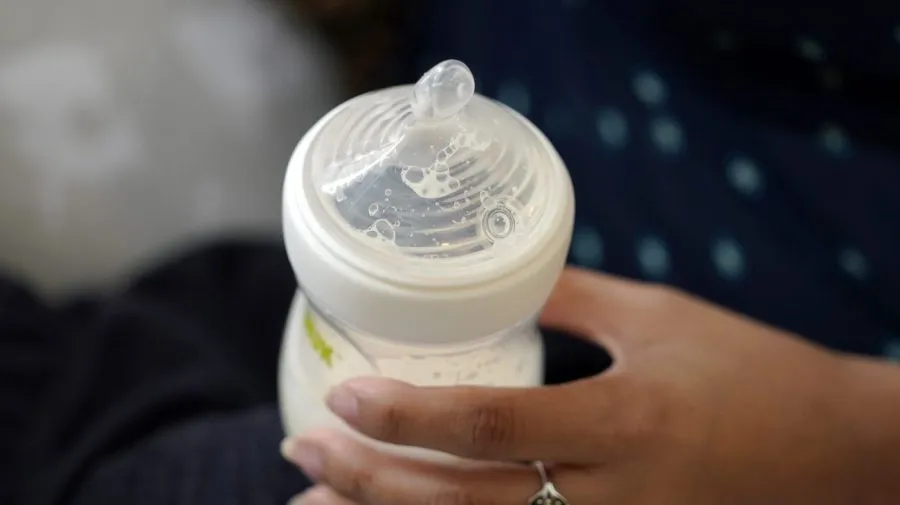
In news that should surprise absolutely nobody but will horrify every parent nonetheless, thousands of tins of imported infant formula have been recalled due to possible toxin contamination, according to a report from The Hill.
Yes, you read that correctly. Baby formula - the stuff tiny humans rely on for literal survival - has been flagged over contamination concerns that could cause illness. Regulators apparently drew the line at "possible toxins in infant food" and decided that was a bridge too far. Bold call.
What we know
According to The Hill's reporting, the recall covers thousands of tins of imported infant formula. The contamination involves a toxin that could lead to sickness in those who consume the affected product. Given that the primary consumers here are babies - a demographic with essentially zero ability to advocate for themselves - health officials are treating this with appropriate urgency.
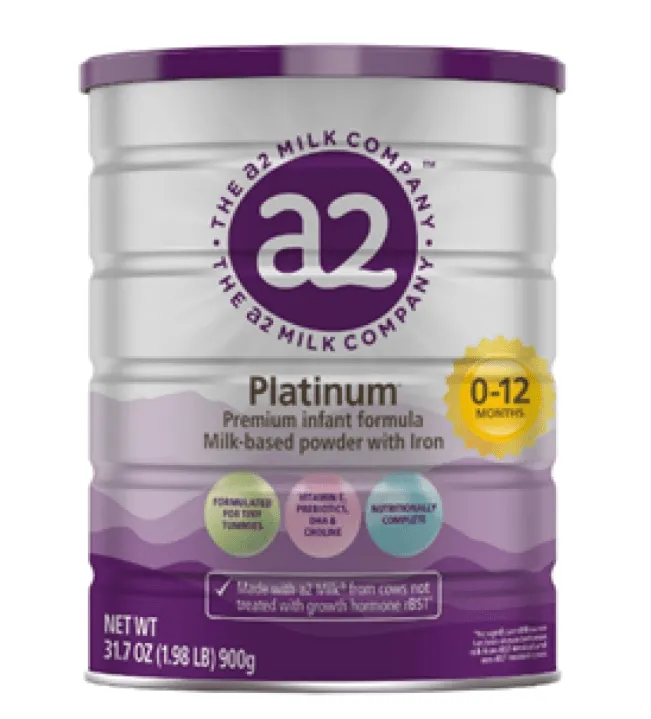
The recall falls into the category of precautionary action, which is the regulatory world's way of saying "we're not waiting around to find out the hard way."
Why this matters more than your average recall
Infant formula recalls are not your garden-variety "this jar of salsa might taste a bit off" situation. Infants who rely on formula as their sole or primary nutrition source have no backup option they can just... choose. Parents can't simply swap brands on the fly if supplies are limited, and the post-2022 formula shortage in the United States left a lasting psychological scar on caregivers who remember empty shelves a little too vividly.
Toxin exposure in infants is also considerably more serious than in adults, given that their immune and digestive systems are still very much a work in progress.
What parents should do
If you are currently using imported infant formula, The Hill's report suggests checking whether your product is part of the affected batch. The general advice during any food recall applies here with extra urgency - stop using the product if it matches the recalled description, and consult your pediatrician if your child has shown any signs of illness.
Regulatory agencies typically publish specific lot numbers and brand details associated with recalls, so checking official food safety databases is strongly recommended.
The broader takeaway here is a familiar one: supply chain oversight for infant nutrition products remains a critically important - and occasionally terrifying - area of public health. Because if there is one food category where "probably fine" is simply not an acceptable quality standard, it is the one designed exclusively for people who cannot yet form sentences.