ASEAN has long operated on a very simple philosophy: show up, shake hands, eat the canapés, and absolutely do not tell your neighbour what to do. It is a diplomatic tradition so deeply entrenched that watching the bloc respond to Myanmar's military coup has felt roughly as effective as scolding a hurricane with a strongly worded letter.
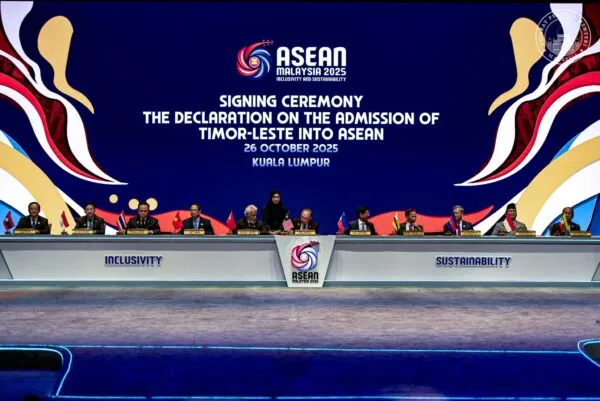
But something mildly interesting is happening, according to The Diplomat. Timor-Leste - the scrappy young democracy still finalising its accession into ASEAN - has created what analysts are describing as a rare, possibly fleeting, window of opportunity for the bloc to decide whether it actually stands for something beyond procedural non-interference.
Why Timor-Leste, of all places?
Here is the fun irony: Timor-Leste knows a thing or two about military brutality and international indifference, having survived Indonesian occupation and a brutal independence struggle. That history means Dili arrives at the ASEAN table with a moral credibility on human rights issues that most of its soon-to-be fellow members simply cannot claim. The question, as The Diplomat frames it, is whether that fresh perspective can actually shift a bloc that has spent decades perfecting the art of doing very little very diplomatically.
Myanmar's junta has been grinding through a civil war since the 2021 coup, with documented atrocities against civilians piling up like an increasingly uncomfortable stack of reports that ASEAN has managed to acknowledge without really acknowledging. The bloc's own Five-Point Consensus peace plan - its one concrete response to the crisis - has by most assessments gone approximately nowhere.
A test nobody asked for but everyone is watching
The Diplomat's analysis suggests Timor-Leste's accession is a genuine inflection point. A new member state, unburdened by decades of ASEAN's institutional non-confrontation culture, could push the organisation to either clarify its values or admit, officially and embarrassingly, that it has none beyond keeping the meeting schedule running on time.
This is not to say Timor-Leste will storm in and single-handedly revolutionise the bloc's approach. Dili is small, its economy is developing, and it needs ASEAN far more than ASEAN needs it in pure power terms. But symbolism and moral framing matter in diplomacy, and a member state with a lived experience of exactly the kind of violence Myanmar's population is enduring right now is harder to politely ignore than a think tank report.
Whether ASEAN rises to the moment - or simply absorbs Timor-Leste into its culture of strategic ambiguity - remains genuinely unclear. But for a bloc rarely described as being at a crossroads, this one looks surprisingly real.