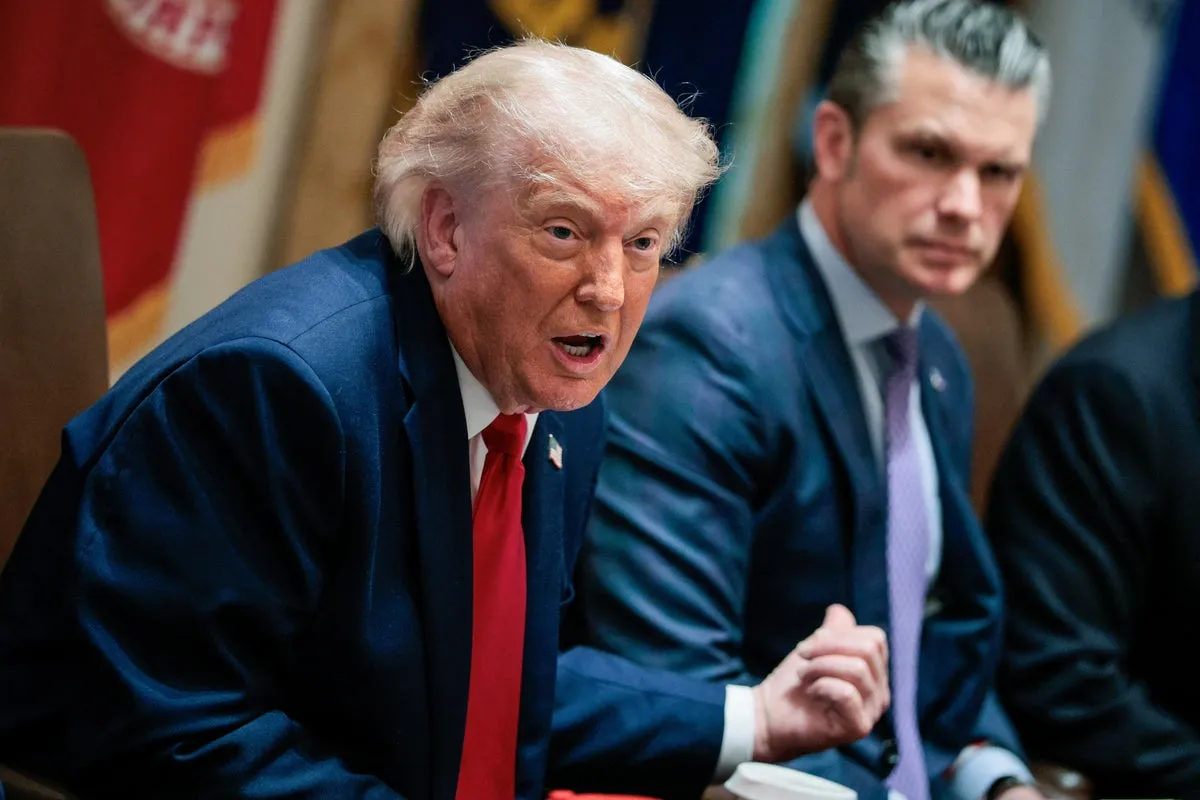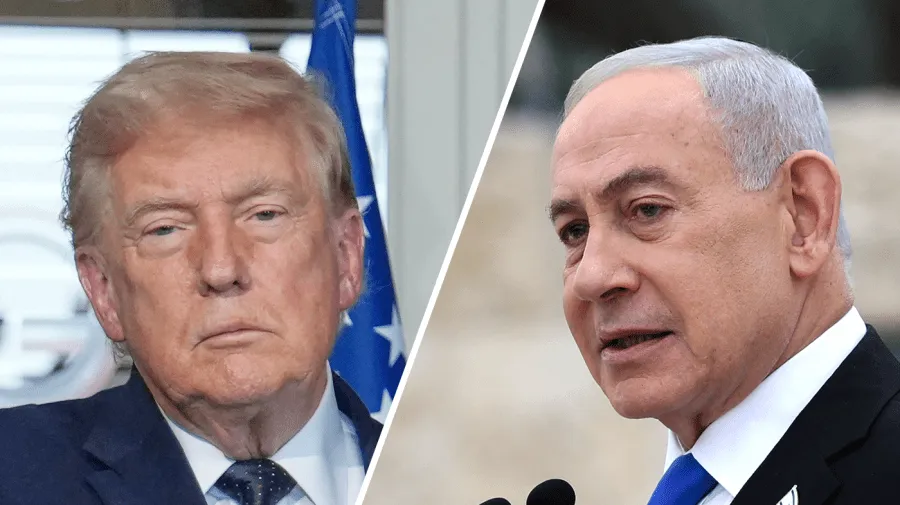
Just when you thought geopolitics couldn't get more dramatic, the world's most turbulent political bromance has hit what sources are calling an all-time low. According to a report by The Hill, tensions between President Donald Trump and Israeli Prime Minister Benjamin Netanyahu have never been higher - and the subject of their falling out is none other than how to wrap up a war they started together. Awkward.
What's the deal with the deal?
Trump is busy doing his victory lap, claiming that a U.S.-Iran peace agreement signed over the weekend has successfully cut off Iran's pathway to a nuclear weapon. By his telling, this is a massive win. Netanyahu, however, appears considerably less impressed - and that's putting it diplomatically.
The core tension, as reported by The Hill, is that the two leaders have wildly different visions for what a successful endgame in the region looks like. Trump seems content with a diplomatic resolution that keeps Iran's nuclear ambitions in check on paper. Netanyahu, whose country sits within missile range of an emboldened Iran, wants something considerably more... permanent.
The deal that launched a thousand headaches
The newly signed agreement reportedly also reopens certain economic and diplomatic channels with Iran - a detail that is almost certainly giving Israeli officials heartburn. For Netanyahu, any arrangement that leaves the Islamic Republic intact and potentially re-energized is a tough sell to both his government and his domestic audience.

This puts Trump in an unusual position. He needs the deal to look like a historic diplomatic triumph ahead of any domestic messaging push, but his most high-profile ally in the region is visibly not on board. That kind of split-screen optics is not exactly the unified front either side would prefer.
So what happens now?
The big question, according to The Hill's reporting, is whether this rift actually threatens the viability of the deal itself. Israeli pushback - especially from a government with significant influence over the U.S. Congress - could complicate ratification, implementation, or both.
For now, both leaders are technically still allies. But the gap between Trump's "mission accomplished" energy and Netanyahu's apparent skepticism is widening by the day. Whether this is just a rough patch in an otherwise transactional relationship, or the beginning of a more serious fracture, remains to be seen.
What is clear is that the road from a signed agreement to an actual lasting peace is still very, very long - and considerably bumpier now that the two main architects of recent Middle East policy appear to be working from completely different maps.