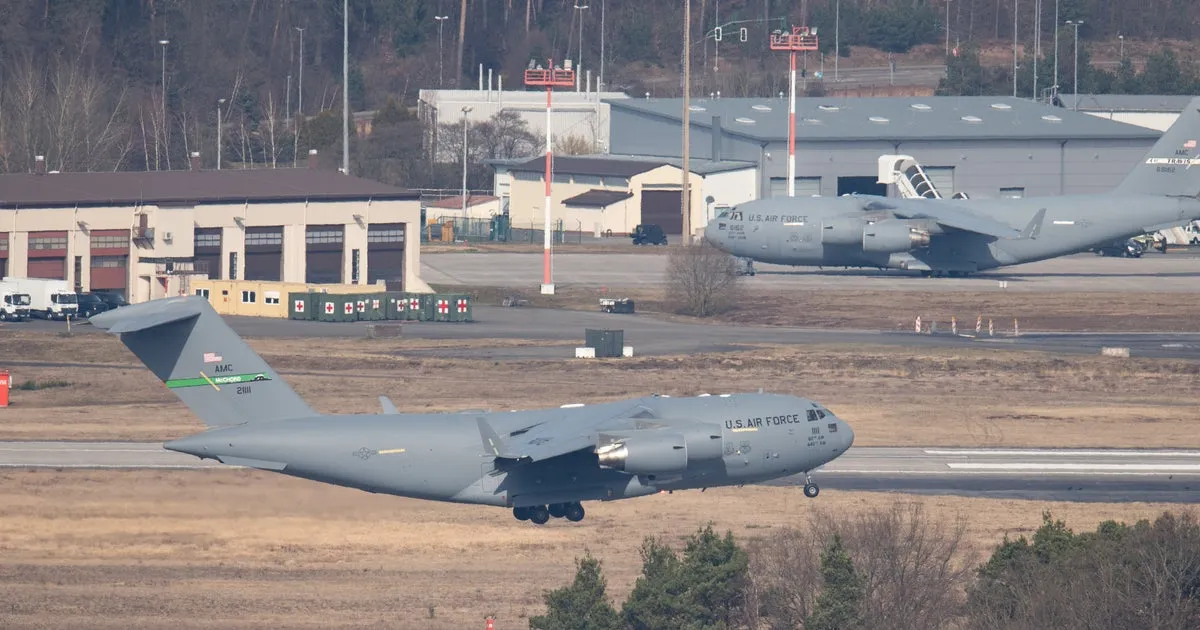
The Trump administration is moving forward with plans to reduce the number of U.S. troops stationed in Germany by approximately 5,000, according to reporting by CBS News. The announcement comes days after President Trump publicly stated he was reviewing the American military footprint in the country.
Germany currently hosts more than 35,000 U.S. service members, making it one of the largest deployments of American forces in Europe. A reduction of 5,000 troops would represent a roughly 14 percent cut to that presence.

Context and background
The review reflects a posture that Trump has maintained across both of his presidential terms - questioning the cost and strategic rationale of stationing large numbers of American forces in European nations, particularly those he has argued do not contribute enough to their own defense budgets within NATO.

Germany has historically been a central hub for U.S. military operations in Europe, hosting key installations that support logistics, command functions, and rapid deployment capabilities across the continent. Critics of any reduction have argued that American forces in Germany serve as a direct deterrent to Russian aggression, especially following Russia's full-scale invasion of Ukraine in 2022.
Reactions and implications
The potential drawdown is expected to draw scrutiny from NATO allies and U.S. lawmakers who have pushed for a stronger, not reduced, Eastern flank presence in response to ongoing instability in Europe. European officials have repeatedly expressed concern over signals from Washington that suggest a retrenchment from longstanding security commitments.
Supporters of the move, however, argue that a leaner deployment footprint could encourage European nations to invest more heavily in their own defense capabilities - a goal that NATO Secretary General Jens Stoltenberg and others have publicly endorsed in principle, even if the method of achieving it remains contested.
No official timeline for the troop reduction has been confirmed, and the operational details of which units would be affected or where they might be redeployed remain unclear based on current reporting from CBS News.