Something happened in the White House on Thursday. We just have absolutely no idea what.
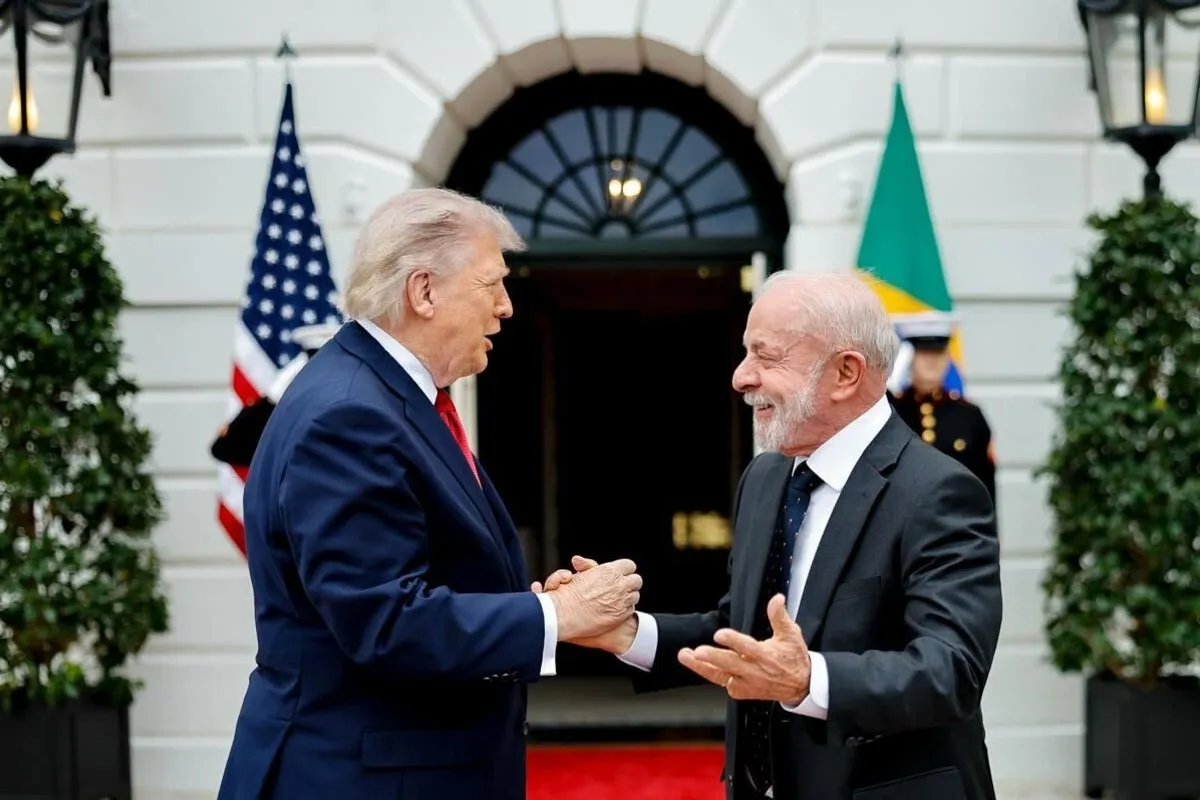
President Donald Trump and Brazilian President Luiz Inácio Lula da Silva wrapped up a behind-closed-doors meeting that stretched for several hours, and then - in a move that would make any self-respecting journalist's eye twitch - the planned Oval Office press availability was first pushed back, and then quietly canceled altogether, with zero explanation offered, according to reporting by The Independent.
No statement. No readout. No awkward handshake photo-op. Just two world leaders, a very long meeting, and a press corps left standing in the hallway like party guests who weren't let in.
Why does this meeting even matter?
The stakes between Washington and Brasilia are genuinely substantial right now. Trump has previously slapped Brazil with steep tariff threats as part of his broader economic pressure campaign, making any bilateral sit-down between these two leaders geopolitically significant. Lula, a left-wing populist who famously clashed with Trump's ideological ally Jair Bolsonaro, represents something of an awkward diplomatic pairing with the current U.S. administration.
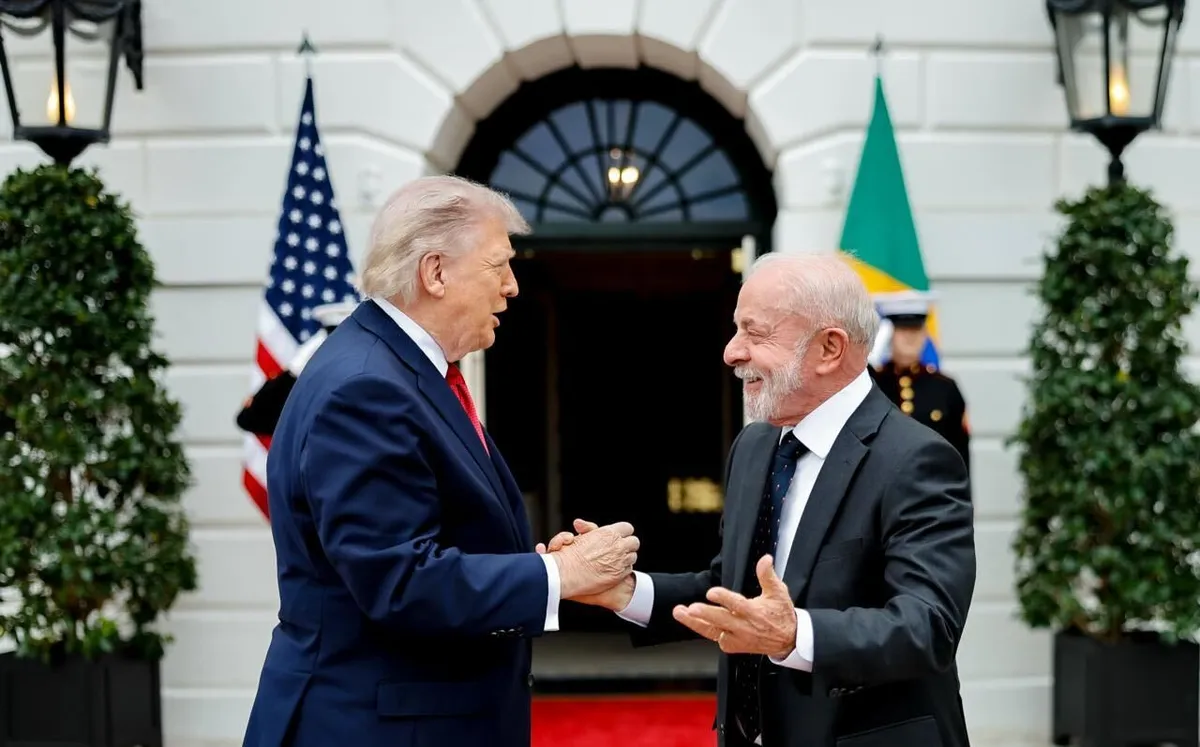
That makes the radio silence after their chat all the more eyebrow-raising. When leaders with complicated relationships meet for hours and then nobody says anything, historians tend to refer to that as "a thing worth paying attention to."
The press availability that wasn't
White House press availabilities exist precisely so reporters can ask the uncomfortable questions that spokespeople conveniently never answer. Canceling one without explanation is, shall we say, a choice. It denies journalists - and by extension, the public - any window into what was discussed, agreed upon, or possibly argued about loudly enough to require a schedule rethink.
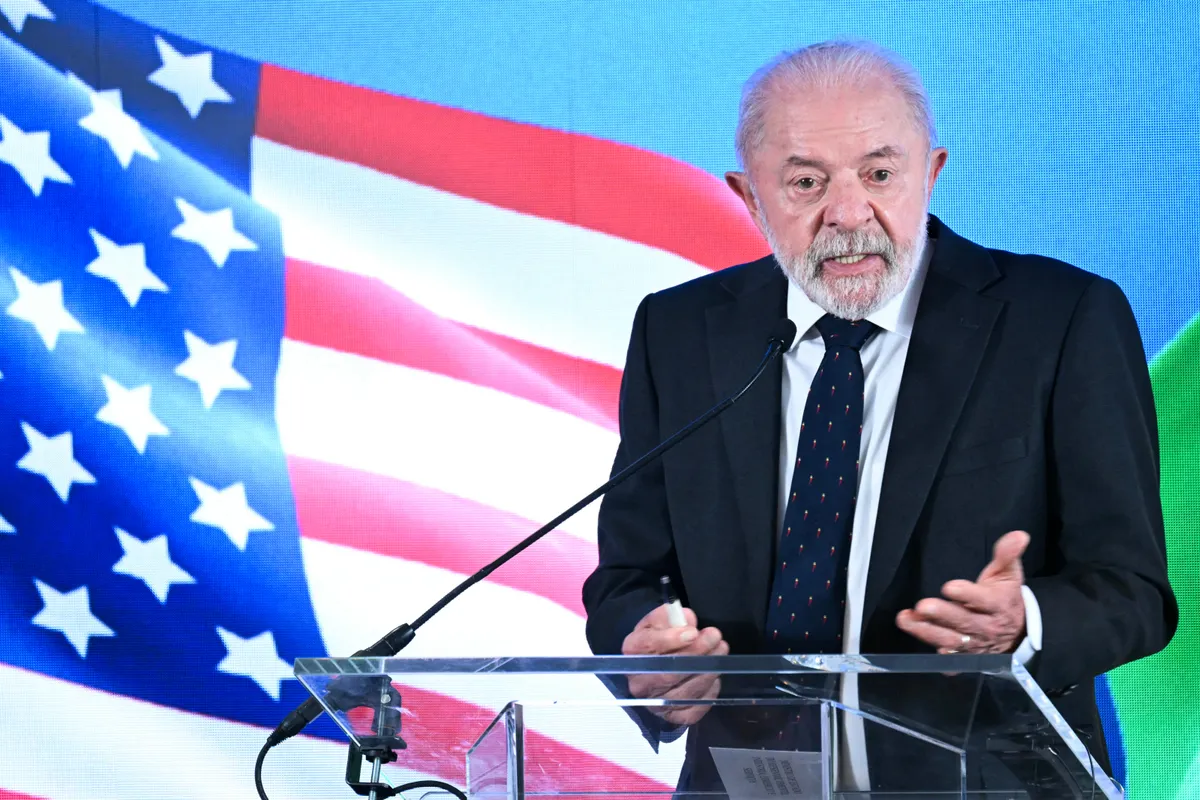
Whether the cancellation reflects a positive development being carefully managed, a difficult conversation that went sideways, or simply a scheduling preference from one or both leaders, nobody is saying. And that "nobody is saying" part is doing a lot of heavy lifting here.
What happens next
Both governments will presumably offer some version of a diplomatic readout eventually, carefully worded to say as much as possible while revealing as little as humanly possible. That is, after all, diplomacy's core competency.
Until then, the world's two largest democracies in the Western Hemisphere apparently had a very long, very private conversation, and decided the rest of us really didn't need to know about it right now. Totally fine. Everything is fine.