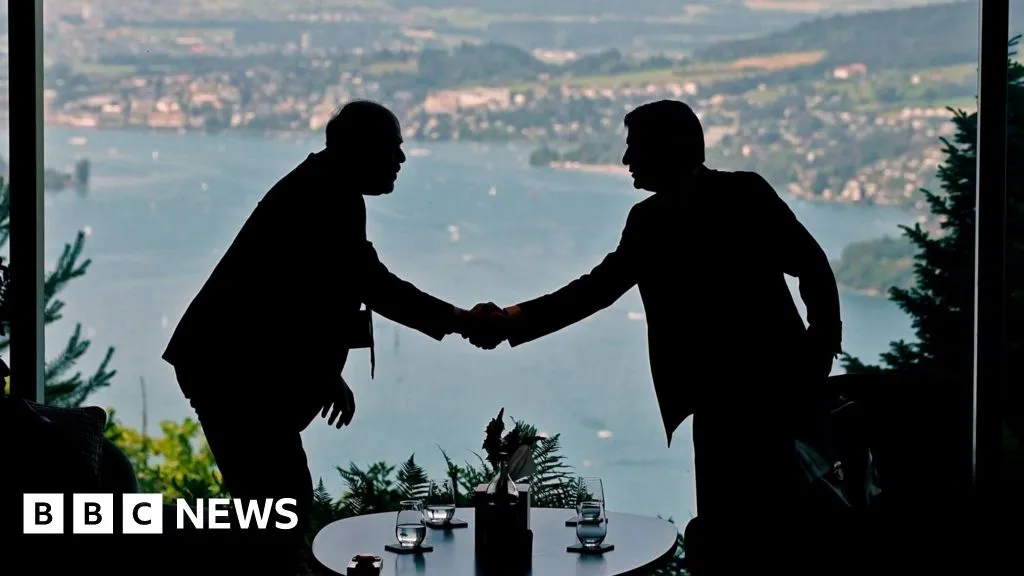
In what may be the most geopolitically spicy fondue dinner ever arranged, the United States and Iran have kicked off face-to-face talks in Switzerland aimed at hammering out an initial peace deal - all while the region around them continues to burn, according to BBC News.
Yes, you read that right. Both sides managed to find Switzerland on a map, book flights, and sit across a table from each other like adults, even as fighting continues in Lebanon and Iran has claimed to have shut the Strait of Hormuz - one of the most critical oil chokepoints on the entire planet.
So what's actually going on?
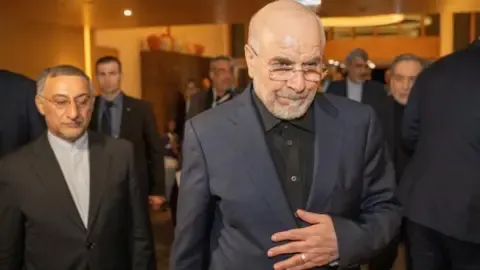
The talks represent a notable moment in an extremely fraught relationship. Washington and Tehran have been trading threats, sanctions, and proxy conflicts for decades, making any direct face-to-face engagement a pretty big deal in diplomatic circles. Switzerland, famously neutral since what feels like the beginning of time, is hosting the discussions.
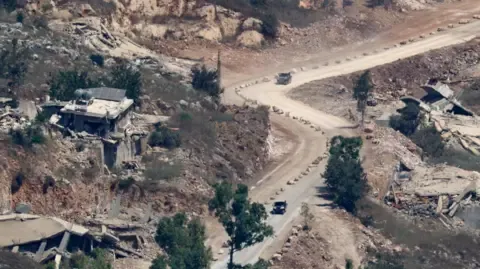
The backdrop, however, is anything but calm. Ongoing fighting in Lebanon continues to destabilize the wider region, and Iran's claim of closing the Strait of Hormuz - if true or partially enforced - would send shockwaves through global energy markets. Roughly 20% of the world's oil passes through that narrow waterway, so even the suggestion of a blockade is enough to make oil traders reach for their stress balls.
The art of talking while fighting
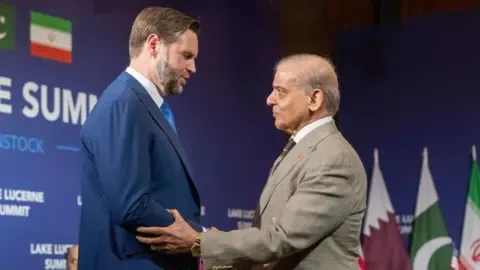
What makes this situation particularly head-spinning is the simultaneity of it all. Diplomats in suits negotiating in a pristine Alpine setting, while the broader Middle East context remains deeply volatile. It's the geopolitical equivalent of arguing about who left the milk out while the kitchen is on fire.
That said, analysts would note that some of history's most important agreements were signed under similarly chaotic circumstances. Talks don't always require peace to begin - sometimes they're how peace eventually gets made.
What comes next?
Details on the specific terms being discussed or who is leading each delegation have not been fully confirmed in the BBC's reporting at this stage. What is clear is that both governments have agreed to show up, which - given the current state of affairs - is not nothing.
Whether this Swiss meeting leads to a meaningful de-escalation or simply produces a very expensive hotel bill remains to be seen. The world, and particularly anyone who drives a car or heats their home with oil, is watching closely.