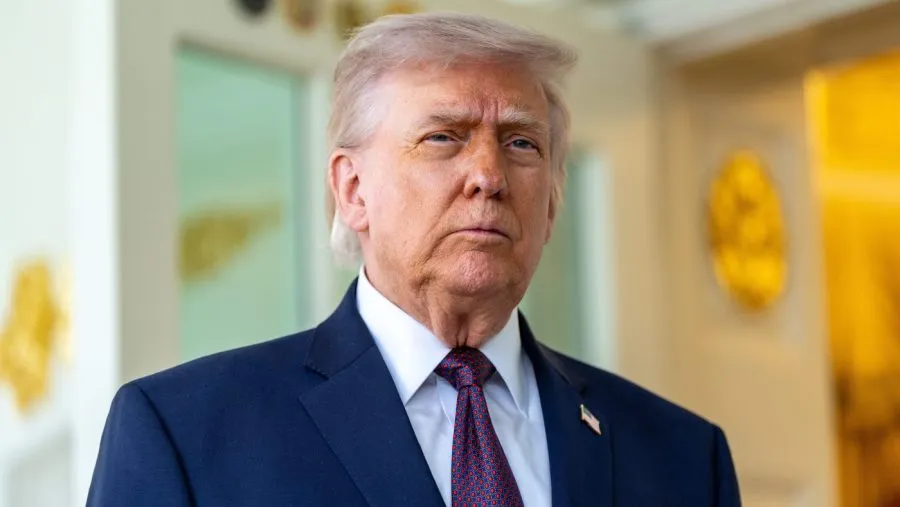
President Donald Trump has ordered a U.S. naval blockade of the Strait of Hormuz in an effort to tighten economic pressure on Iran, as negotiations between Washington and Tehran over Iran's nuclear program remain deadlocked, according to reporting by The Hill.
The blockade is designed to cut off Iran's ability to export oil through one of the world's most critical maritime chokepoints, through which a significant share of global petroleum trade passes. Trump's administration hopes the escalating economic pressure will force Iran back to the negotiating table on terms more favorable to the United States.
Pressure on China
The blockade carries implications beyond Iran's borders. Beijing, which has relied heavily on Iranian oil imports, is among the countries most directly affected by the move. The Trump administration appears to be using the blockade as a dual-purpose tool - squeezing Iran while simultaneously applying leverage on China, Iran's most significant economic partner and a key backer in diplomatic circles, The Hill reported.
China's role in the stalled negotiations has reportedly been significant behind the scenes, with Beijing seen as a key factor in Iran's willingness to hold firm against U.S. demands.
Republican concerns over gas prices
The strategy is not without political risk at home. Some Republican lawmakers have expressed concern that disrupting oil flows through the Strait of Hormuz could contribute to rising gasoline prices in the United States, an issue that remains politically sensitive for the party ahead of future electoral cycles.
The Strait of Hormuz is a narrow waterway between Iran and Oman that serves as the primary export route for oil produced by Iran, Saudi Arabia, the United Arab Emirates, Kuwait, and Iraq. Any sustained disruption to shipping in the strait has historically sent oil prices higher on global markets.
Talks at an impasse
Nuclear negotiations between the U.S. and Iran have shown little forward momentum in recent months. Trump has sought to revive a maximum pressure campaign reminiscent of his first term in office, when the U.S. withdrew from the 2015 Joint Comprehensive Plan of Action and reimposed sweeping sanctions on Tehran.
Iran has so far resisted U.S. demands, and the blockade represents a significant escalation in Washington's efforts to force a resolution. The long-term effectiveness of the strategy and its consequences for global energy markets remain to be seen.