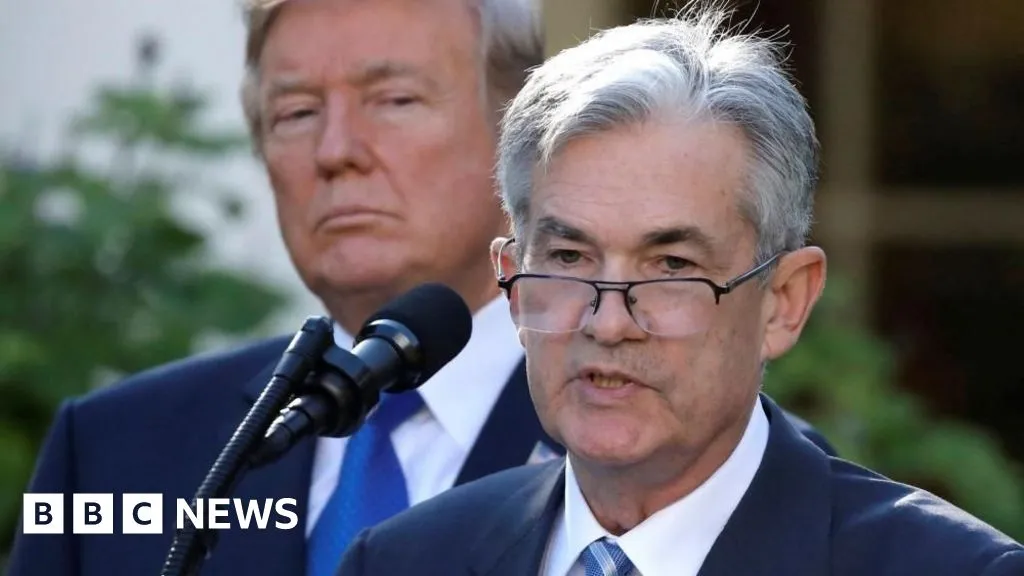
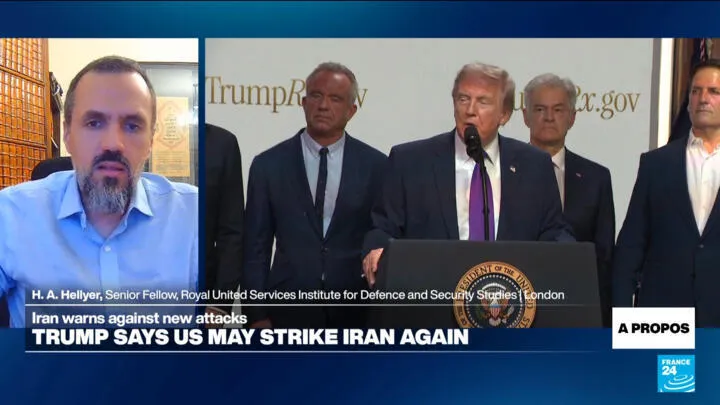
US President Donald Trump announced Sunday that American negotiators will travel to Pakistan on Monday for a fresh round of indirect talks with Iran, as a fragile ceasefire between the two countries approaches its Wednesday expiration date.
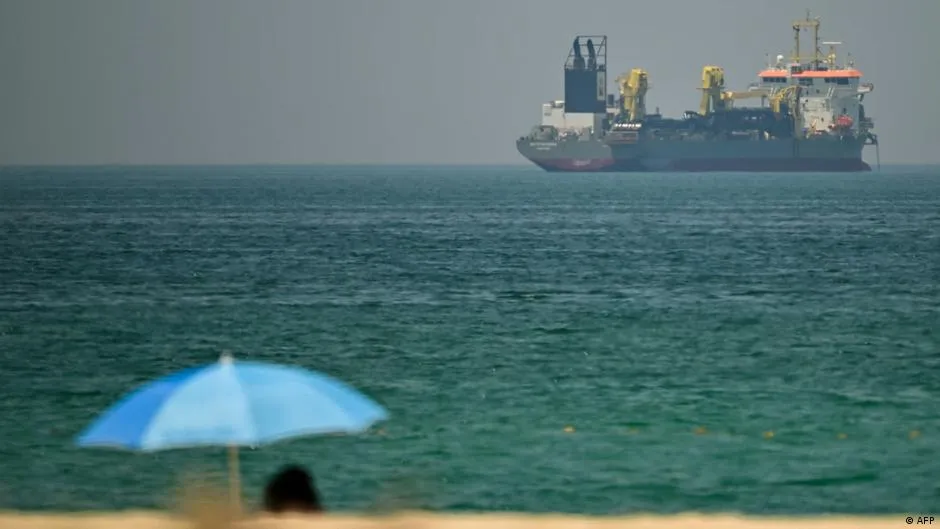
The announcement came amid a continuing standoff over the Strait of Hormuz, a critical waterway through which a significant share of global oil supplies passes. The dispute over the strait has complicated efforts to extend the truce and advance broader negotiations over Iran's nuclear program.
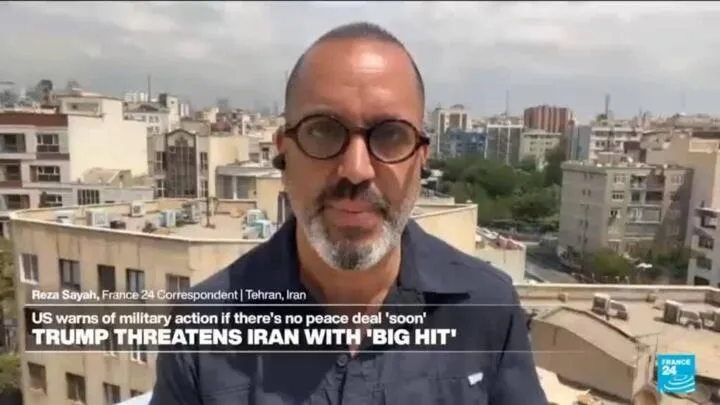
Iran's state-affiliated Tasnim news agency reported Sunday that Tehran had not yet decided to send a negotiating delegation to Pakistan, citing the existence of what it described as a naval blockade as the primary obstacle. The report indicated Iran viewed the blockade as a precondition that must be addressed before diplomacy could resume in earnest.
Talks at a crossroads
The competing signals from Washington and Tehran illustrate the difficulty of sustaining momentum in a diplomatic process that has moved in fits and starts. The US delegation's planned travel to Pakistan suggests the Trump administration is pressing forward with efforts to keep lines of communication open, even without confirmation that Iranian counterparts will participate directly.
Pakistan has served as a venue for the indirect negotiations, which have involved intermediaries carrying messages between the two sides rather than face-to-face discussions between American and Iranian officials.
The Strait of Hormuz dispute adds a significant military and economic dimension to the diplomatic challenge. Any prolonged closure or disruption of the strait would have immediate consequences for global energy markets, as the waterway is a transit point for roughly a fifth of the world's oil supply.

Wednesday deadline
With the ceasefire set to expire in the coming days, the window for reaching a framework agreement or extending the pause in hostilities is narrowing. Neither side has publicly confirmed the terms under which a ceasefire extension might be agreed, and Iran's stated reluctance to engage while the naval blockade remains in place introduces additional uncertainty.
France 24 international affairs editor Douglas Herbert noted the precariousness of the current situation, with both sides appearing to hold firm on their respective positions even as the deadline draws closer.
The outcome of this week's diplomatic activity is expected to have significant implications not only for US-Iran relations but also for regional stability across the Middle East and for global energy markets closely watching developments around the strait.