Just when it seemed like the US and Iran might be inching toward an actual agreement, President Donald Trump pumped the brakes on Sunday - telling his diplomatic team, in so many words, to slow their roll.
According to France24, Trump said he had instructed his representatives not to "rush into a deal" with Tehran, cooling what had previously been signals of meaningful progress toward ending the US-Israeli war on Iran. "Time is on our side," Trump reportedly declared, which is either a power move or a very expensive way to say "we'll figure it out later."
So what's actually on the table?
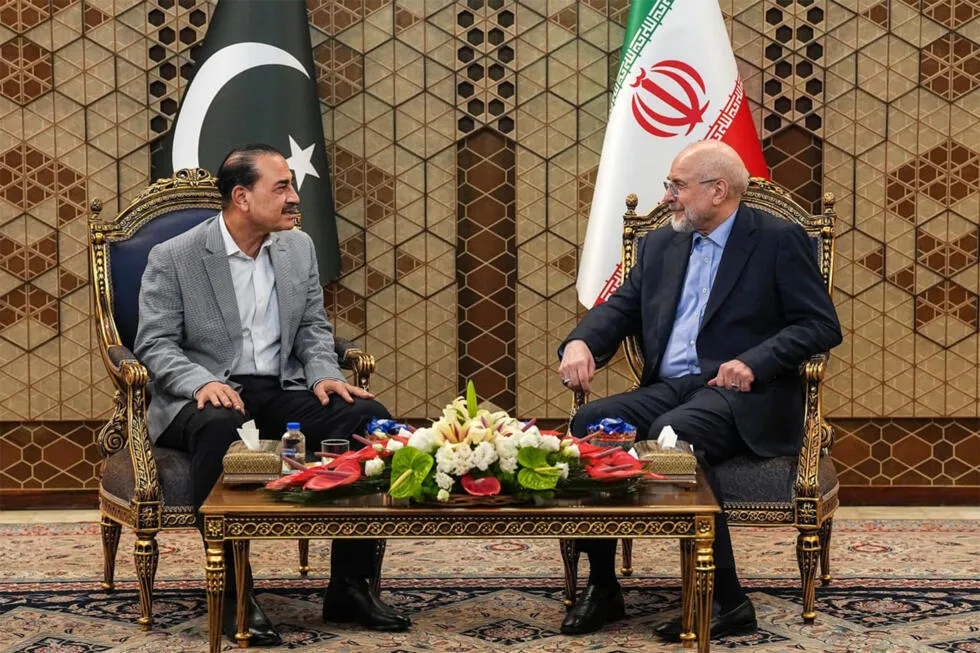
Here's where it gets interesting - and slightly absurd. A reported draft agreement circulating between negotiating parties would apparently skip over the elephant in the room entirely: Iran's nuclear programme. Instead, the initial deal would focus on reopening the Strait of Hormuz, the critical maritime chokepoint through which roughly 20% of the world's oil supply flows.
Yes, you read that correctly. The nuclear issue - the thing that has defined US-Iran tensions for decades - would be postponed in favor of getting oil tankers moving again. Cynics might call this a win for energy markets dressed up as diplomacy. Optimists might call it a pragmatic first step. Geopolitical analysts are probably somewhere in between, stress-eating pretzels.
Walking back the optimism
The Sunday comments represent a notable shift from earlier signals that suggested talks were progressing. The walkback isn't entirely surprising given the complexity of the negotiations, but it does pour cold water on anyone who was hoping for a swift resolution to a conflict that has rattled global oil markets and raised fears of broader regional escalation.
Trump's "time is on our side" framing is a classic negotiating posture - essentially telling the other party that the US is comfortable playing the long game. Whether Tehran reads it the same way is another matter entirely.
What this means going forward
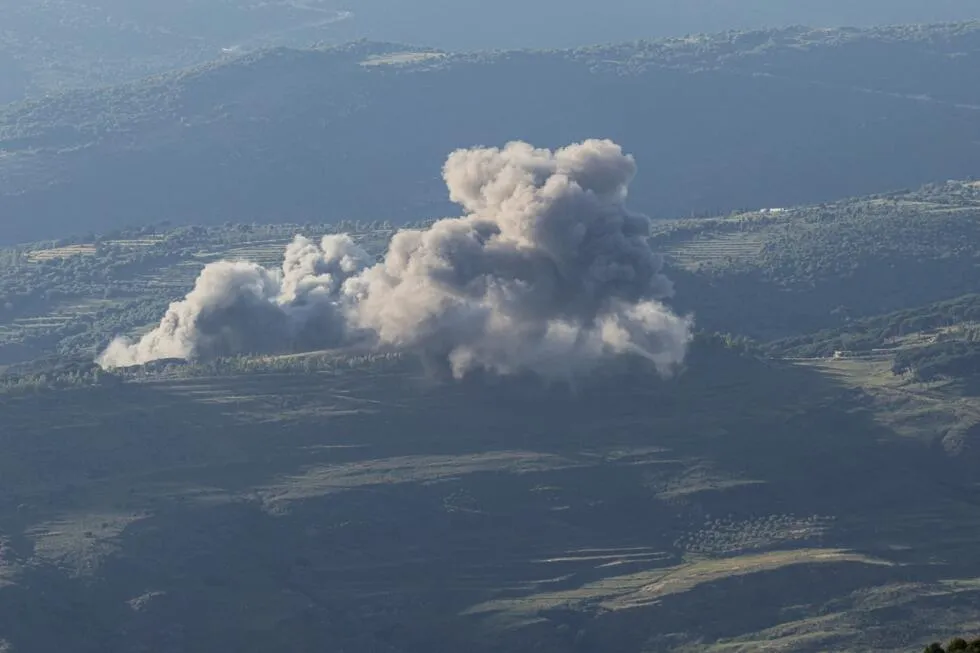
If the reported draft framework is any indication, the near-term focus will be on stabilizing the Strait of Hormuz rather than resolving the deeper dispute over Iran's nuclear ambitions. That may be enough to ease some immediate economic anxiety, but it leaves the harder questions kicking around for another day - or another administration.
For now, the deal is neither on nor off. It is, apparently, just not in a hurry.
Source: France24