For the first time in Colombian history, Congress is debating a bill that would formally ban female genital mutilation (FGM) - and the women pushing hardest for it are from the very communities where the practice still occurs. That is not irony. That is courage.
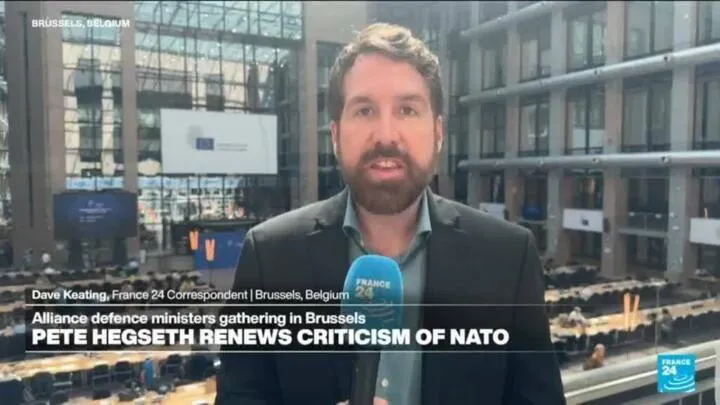
According to a report by France24, FGM continues to be practiced in some Indigenous Embera communities in Colombia's Risaralda region, a mountainous area in the country's coffee-growing heartland. The health consequences are as severe as they are well-documented: infections, dangerous complications during childbirth, and in the worst cases, death.
A cultural practice colliding with human rights
FGM is performed on girls, often in infancy or early childhood, and has historically been framed within some communities as a rite of passage or a tradition tied to cultural identity. This framing is precisely what makes legislation tricky - and why it has taken Colombia this long to even get a bill to the floor of Congress.
Critics of such legislation often argue that outside interference in Indigenous cultural practices amounts to a form of colonialism. But here is the twist: the loudest voices calling for the ban are Indigenous women themselves, many of whom have lived with the consequences of the practice or watched others suffer them. When the people most directly affected are demanding change, the "cultural imperialism" argument starts to look a little thin.
What the bill would actually do
While the full details of the proposed legislation are still being debated, France24 reports that the bill is being championed partly by Indigenous women who want FGM explicitly criminalized under Colombian law. Currently, there is no specific statute targeting the practice, leaving it in a murky legal grey zone.
Advocates argue that a clear legal prohibition would give local health workers and authorities the tools they need to intervene - and give survivors a legal avenue to seek justice.
A slow but significant shift
Colombia is not alone in grappling with this issue. FGM affects an estimated 200 million girls and women worldwide, according to the World Health Organization, and is practiced across parts of Africa, the Middle East, and Asia, as well as in diaspora communities globally. Latin America has rarely been part of that conversation, which is part of why this legislative push is drawing attention.
Whether the bill passes or not, the fact that Indigenous women are leading this movement publicly and politically represents a meaningful shift. They are not waiting to be saved. They are doing the saving themselves.